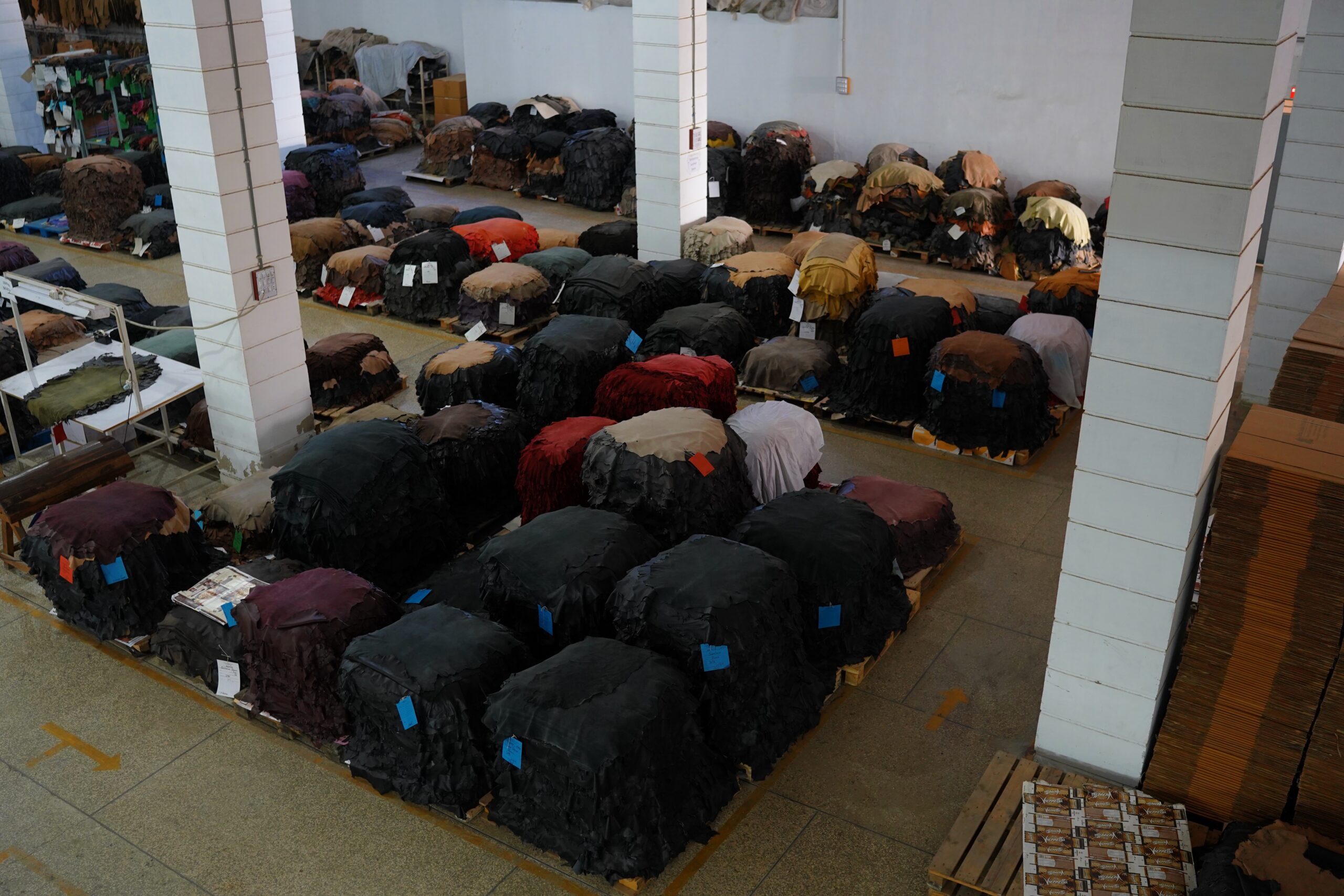
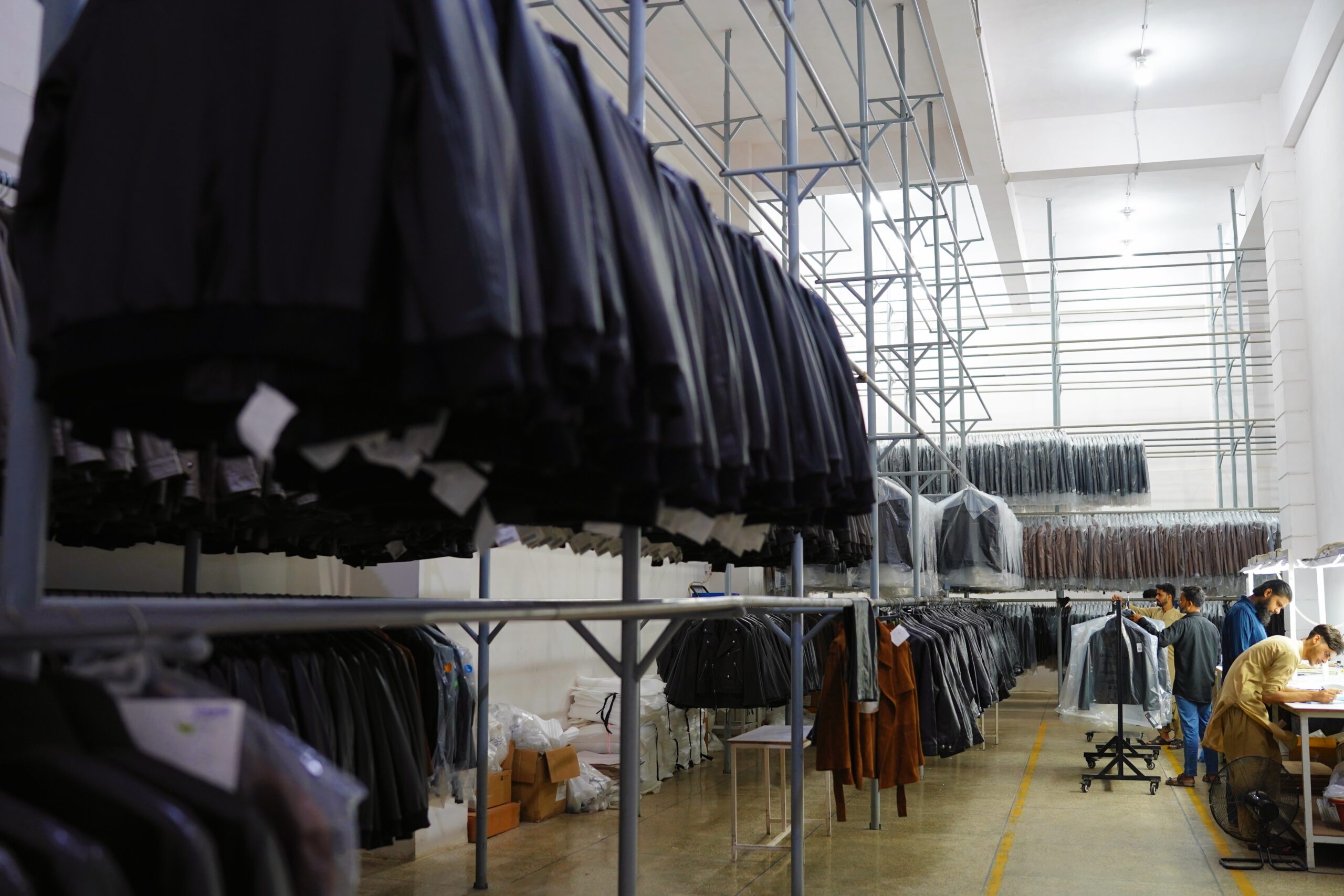
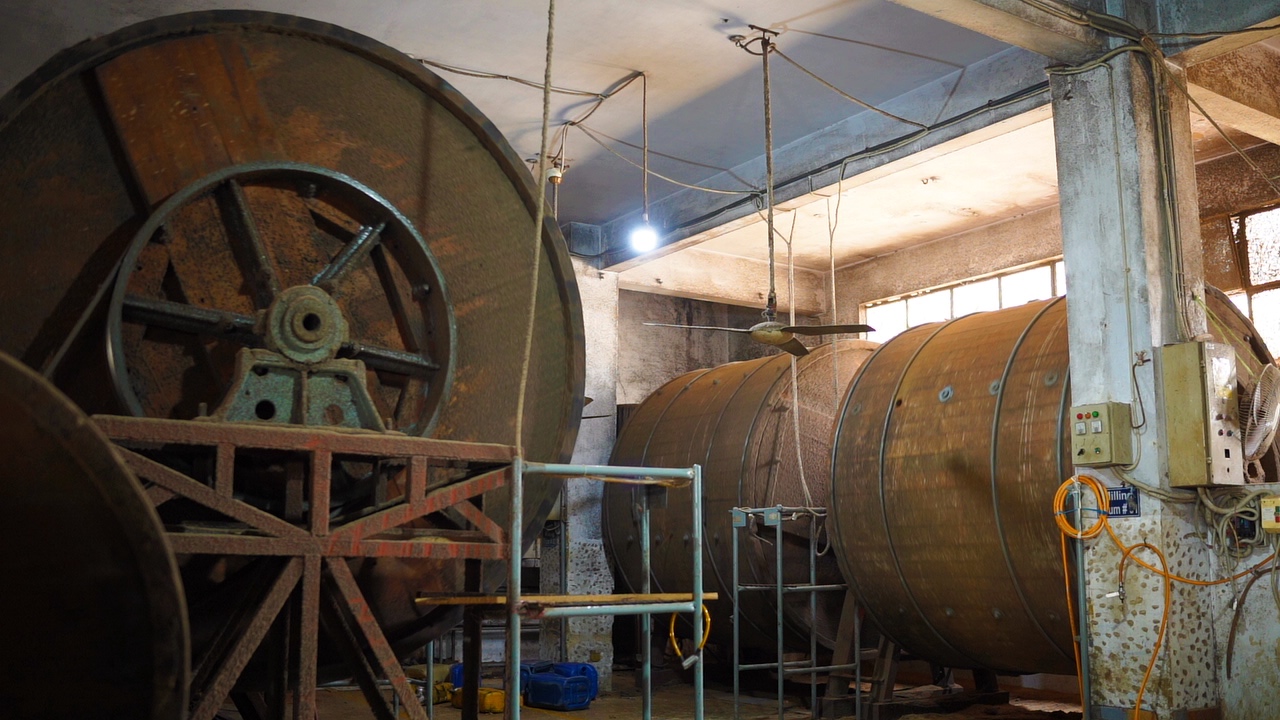
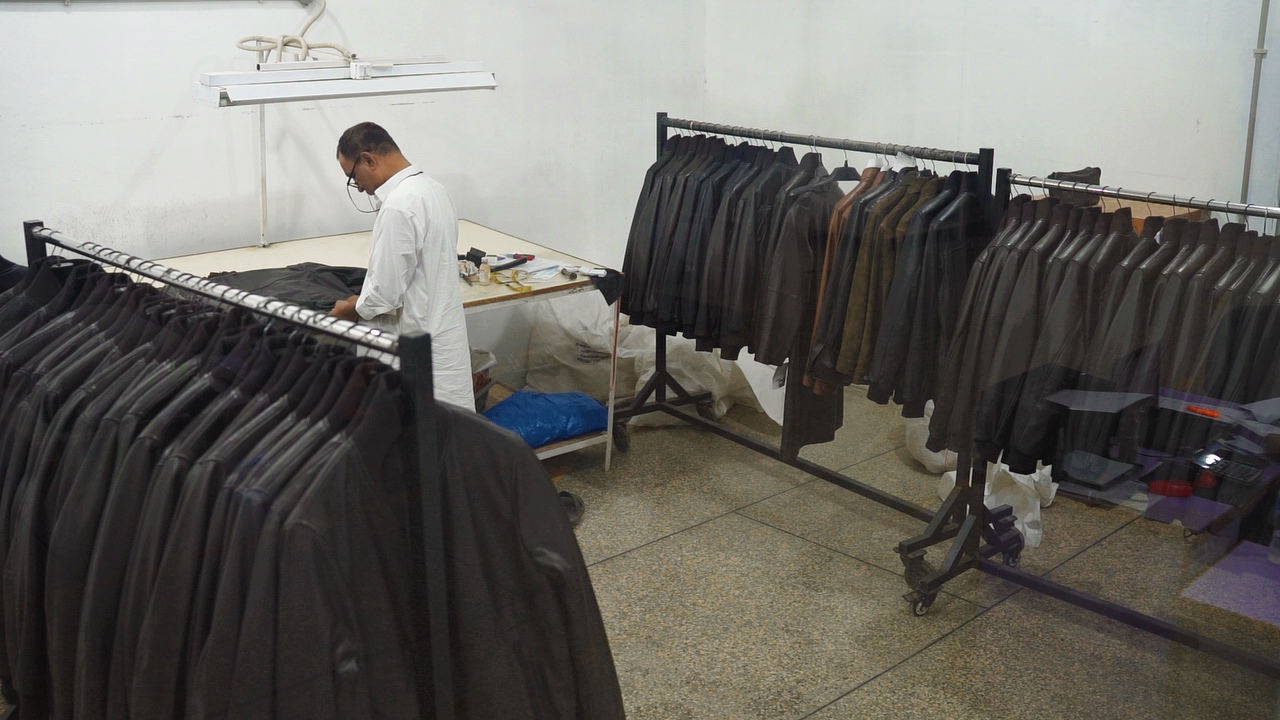
Choosing the right leather is one of the most important decisions when buying or manufacturing a black leather jacket. The leather determines how the jacket feels, fits, ages and performs over time. It also influences the jacket’s weight, warmth, appearance, durability and price.
There is no single leather that is best for every black leather jacket. Cowhide is often preferred for durability and structure, lambskin for softness and luxury, goatskin for flexibility and strength, and sheepskin for lightweight comfort. Buffalo leather offers a rugged appearance, while suede and nubuck provide a softer, more textured finish.
The best choice depends on the intended style and use. A protective motorcycle jacket requires different qualities from a lightweight fashion jacket. Similarly, a winter aviator jacket needs different materials from a minimalist leather blazer.
This guide compares the most common types of leather used for black leather jackets. It explains their characteristics, benefits, limitations and suitability for different styles, customers and climates.
Why Does Leather Type Matter?
Leather jackets may appear similar in photographs, but their performance can vary considerably depending on the hide and finishing process.
Leather type affects:
- Durability
- Weight
- Softness
- Flexibility
- Surface grain
- Water resistance
- Breathability
- Warmth
- Maintenance
- Ageing
- Price
- Suitability for different jacket styles
A thick cowhide jacket may feel firm and require time to soften. A lambskin jacket can feel comfortable from the first wear but may be more vulnerable to scratches. Goatskin offers a useful balance between these two qualities, while shearling provides considerably more insulation.
The tanning and finishing processes are also important. Two jackets made from cowhide can feel completely different if one uses thick, heavily finished leather and the other uses thin, garment-grade leather.
Buyers should therefore consider both the animal source and the way the leather has been processed.
Which Leather Is Best for a Black Leather Jacket?
For most buyers, the best leather depends on the jacket’s intended purpose:
| Leather type | Best suited for | Main advantage | Main limitation |
|---|---|---|---|
| Cowhide | Biker, café racer and structured jackets | Excellent durability | Can feel heavy and stiff |
| Lambskin | Luxury, fitted and minimalist jackets | Very soft and lightweight | More delicate |
| Goatskin | Bomber, flight and everyday jackets | Strong, flexible and moderately light | Distinct grain may not suit every design |
| Sheepskin | Lightweight fashion jackets | Soft and comfortable | Less resistant to rough use |
| Shearling | Aviator and winter jackets | Excellent insulation | Heavy and expensive |
| Buffalo leather | Vintage and rugged jackets | Strong character and durability | Often thick and heavy |
| Calfskin | Premium fashion jackets | Smooth, refined and durable | Higher cost |
| Suede | Fashion and casual jackets | Soft, textured appearance | Sensitive to water and stains |
| Nubuck | Premium casual jackets | Velvety surface with strength | Requires careful maintenance |
| Faux leather | Affordable and animal-free fashion jackets | Lower initial cost | Quality and lifespan vary |
Cowhide is generally the best choice for maximum durability. Lambskin is usually best for softness and luxury. Goatskin is one of the strongest all-round options because it combines durability, flexibility and manageable weight.
Cowhide Leather
Cowhide is one of the most widely used materials for black leather jackets. It is known for its strength, substantial feel and ability to withstand regular wear.
Characteristics of Cowhide
Cowhide commonly has:
- A firm structure
- Good abrasion resistance
- Moderate to heavy weight
- Visible natural grain
- Strong tear resistance
- A longer breaking-in period
- Excellent long-term durability
The exact feel depends on the hide thickness and finish. Heavy cowhide can create a rugged motorcycle-style jacket, while thinner garment cowhide can be used for more comfortable fashion designs.
Advantages of Cowhide
The main benefit of cowhide is durability. A properly constructed cowhide jacket can remain wearable for many years when maintained correctly.
Cowhide also holds its shape well. This makes it suitable for jackets with structured shoulders, defined lapels, multiple pockets and substantial hardware.
Black cowhide develops an attractive character as it ages. Areas exposed to movement and friction may gradually become softer and develop subtle tonal variation.
Limitations of Cowhide
Cowhide can be heavier than other garment leathers. A thick jacket may feel tiring during extended wear, particularly in a mild or warm climate.
New cowhide can also feel stiff. Although it usually becomes more comfortable with use, buyers should not choose an incorrectly sized jacket and expect the leather to solve the fitting problem.
Best Jacket Styles for Cowhide
Cowhide works particularly well for:
- Biker jackets
- Motorcycle-inspired jackets
- Café racer jackets
- Structured bombers
- Utility jackets
- Vintage jackets
- Heavy winter jackets
For a black leather biker or café racer jacket intended for frequent use, cowhide is often the most dependable option.
Lambskin Leather
Lambskin is valued for its smooth surface, soft hand feel and low weight. It is frequently used in premium fashion jackets.
Characteristics of Lambskin
Lambskin generally offers:
- Exceptional softness
- A smooth and refined surface
- Lightweight construction
- Natural flexibility
- Comfortable drape
- Minimal breaking-in time
- A luxurious appearance
A lambskin jacket usually feels comfortable from the first wear. It follows the body more naturally than thick cowhide and works well for fitted or flowing silhouettes.
Advantages of Lambskin
Softness is lambskin’s greatest advantage. It is suitable for customers who want a leather jacket that does not feel heavy or restrictive.
Its smooth surface also accepts black dyes and finishes well, creating a rich and polished appearance. Depending on the finish, black lambskin can appear glossy, semi-matte or completely matte.
Lambskin works especially well for designs that require close-fitting sleeves, waist shaping or clean minimalist panels.
Limitations of Lambskin
Lambskin is more delicate than heavy cowhide and goatskin. It can be vulnerable to:
- Scratches
- Scuffs
- Abrasion
- Sharp objects
- Rough storage
- Excessive moisture
It is not normally the best option for a jacket that will be exposed to demanding outdoor conditions.
Best Jacket Styles for Lambskin
Lambskin is ideal for:
- Luxury fashion jackets
- Slim-fit jackets
- Minimalist jackets
- Leather blazers
- Fitted women’s jackets
- Cropped jackets
- Lightweight café racers
- Smart-casual jackets
For a soft, refined and lightweight black leather jacket, lambskin is often the best choice.
Goatskin Leather
Goatskin is a strong and flexible material with a naturally visible grain. It offers a useful balance between the ruggedness of cowhide and the softness of lambskin.
Characteristics of Goatskin
Goatskin commonly has:
- Good tensile strength
- Natural flexibility
- Moderate weight
- A pebbled grain
- Strong resistance to regular wear
- A comfortable feel
- Good shape retention
It has historically been used for flight jackets and military garments because it provides durability without excessive weight.
Advantages of Goatskin
Goatskin is one of the most practical choices for an everyday black leather jacket. It is strong enough for frequent use but generally more flexible than heavy cowhide.
Its pronounced grain can add visual depth to a black jacket. This is especially useful when the design is simple and relies on the leather’s natural texture for character.
Goatskin also tends to soften attractively while maintaining its strength.
Limitations of Goatskin
The visible grain may not suit customers who prefer an extremely smooth or polished surface. Although finishes can reduce the appearance of the grain, goatskin normally retains more texture than lambskin or calfskin.
Its quality also varies according to selection, tanning and finishing. Poorly processed goatskin may feel dry or overly stiff.
Best Jacket Styles for Goatskin
Goatskin is suitable for:
- Bomber jackets
- Flight jackets
- Café racer jackets
- Everyday casual jackets
- Military-inspired jackets
- Lightweight biker jackets
- Vintage-style jackets
For buyers seeking strength, comfort and moderate weight in one material, goatskin is an excellent all-round choice.
Sheepskin Leather
Sheepskin leather usually refers to leather made from sheep hides after the wool has been removed. It should not be confused with shearling, which retains the wool.
Sheepskin is generally soft, lightweight and flexible. It can be used as an alternative to lambskin for fashion-focused jackets.
Advantages of Sheepskin
Sheepskin provides:
- A soft feel
- Lightweight comfort
- Good flexibility
- Smooth drape
- Suitability for fitted garments
- Comfortable everyday wear
It works well for customers who want the appearance of genuine leather without the weight of thick cowhide.
Limitations of Sheepskin
Sheepskin is generally less resistant to rough use than cowhide. Thin or poorly finished sheepskin may stretch, crease or become damaged more easily.
The quality of the hide selection is particularly important. Weak areas should not be placed around pockets, armholes, zips or other stress points.
Best Uses for Sheepskin
Sheepskin works well for:
- Lightweight fashion jackets
- Soft bombers
- Minimalist jackets
- Fitted jackets
- Cropped designs
- Casual everyday jackets
Shearling Leather
Shearling is sheepskin or lambskin that retains the natural wool on one side. The leather forms the exterior while the wool provides internal insulation.
Characteristics of Shearling
Shearling is known for:
- Excellent warmth
- Natural insulation
- Soft internal texture
- Distinctive winter styling
- Substantial construction
- Higher material cost
- Greater weight and volume
Advantages of Shearling
Shearling is one of the best materials for a cold-weather black leather jacket. The natural wool traps warmth while remaining breathable.
It also creates a recognisable appearance. Exposed wool around collars, cuffs, seams and hems adds texture and contrast to the black leather exterior.
Limitations of Shearling
Shearling jackets can be expensive because high-quality hides must provide both an attractive leather surface and consistent wool.
They are also bulkier than uninsulated jackets. This makes them unsuitable for warm climates or customers who prefer lightweight outerwear.
Cleaning and repairs usually require professional attention.
Best Jacket Styles for Shearling
Shearling is ideal for:
- Aviator jackets
- B-3-inspired flight jackets
- Winter bombers
- Long winter coats
- Oversized cold-weather jackets
- Luxury outerwear
For maximum natural warmth, shearling is generally the best choice.
Buffalo Leather
Buffalo leather has a strong grain and rugged character. It is often thicker and more substantial than lightweight garment leather.
Advantages of Buffalo Leather
Buffalo leather provides:
- A distinctive textured surface
- Strong visual character
- Good durability
- A substantial hand feel
- Suitability for vintage finishes
- Strong shape retention
Black buffalo leather can create a bold jacket with a naturally rugged appearance. It performs particularly well when the design includes antique hardware, reinforced seams or traditional motorcycle details.
Limitations of Buffalo Leather
Buffalo leather may feel heavy and stiff, especially when a thick hide is used. It is not normally the best choice for a soft blazer or lightweight fitted jacket.
Its prominent grain can also create visible differences between panels. Careful hide selection and panel matching are essential during manufacturing.
Best Jacket Styles for Buffalo Leather
Buffalo leather is suitable for:
- Vintage biker jackets
- Rugged café racers
- Workwear-inspired jackets
- Heavy bombers
- Utility jackets
- Heritage collections
Calfskin Leather
Calfskin is made from younger cattle and generally has a finer grain than mature cowhide. It can provide a balance between smoothness and durability.
Characteristics of Calfskin
Calfskin commonly offers:
- A smooth surface
- Fine grain
- Good strength
- Refined appearance
- Moderate flexibility
- Premium positioning
It is often used for higher-priced fashion products because it looks more polished than rugged cowhide while remaining stronger than some lightweight skins.
Advantages of Calfskin
Calfskin is a strong option for customers who want a sophisticated leather jacket without sacrificing too much durability.
It can produce a clean black surface that suits minimalist designs, tailored jackets and premium café racers.
Limitations of Calfskin
The main disadvantage is cost. High-quality calfskin is generally more expensive than standard garment cowhide.
It may also require careful sourcing to achieve consistent grain, thickness and colour across an entire production order.
Best Jacket Styles for Calfskin
Calfskin works well for:
- Premium café racer jackets
- Luxury bombers
- Tailored leather jackets
- Minimalist designs
- Leather blazers
- Designer outerwear
Suede Leather
Suede is produced from the underside of the hide, creating a soft and fibrous surface. It offers a completely different appearance from smooth black leather.
Advantages of Black Suede
Black suede provides:
- A soft, matte appearance
- Rich surface texture
- Comfortable flexibility
- A less glossy finish
- Strong fashion appeal
Because suede absorbs light differently from smooth leather, a black suede jacket can appear softer and less formal.
Limitations of Suede
Suede requires more careful maintenance. It is sensitive to:
- Water
- Oil
- Dirt
- Stains
- Friction
- Incorrect cleaning products
The surface can become flattened or discoloured if it is not stored and cleaned properly.
Best Jacket Styles for Suede
Black suede works well for:
- Western jackets
- Casual bombers
- Overshirts
- Lightweight trucker jackets
- Minimalist fashion jackets
- Fringe jackets
Suede is best for customers who prioritise texture and appearance over maximum weather resistance.
Nubuck Leather
Nubuck is created by lightly sanding the outer surface of the hide. It has a velvety feel similar to suede but is generally made from the stronger grain side.
Advantages of Nubuck
Nubuck offers:
- A premium velvety surface
- Greater strength than many suede materials
- Rich colour depth
- A soft tactile quality
- A refined casual appearance
Black nubuck can look particularly luxurious because the surface changes slightly when brushed in different directions.
Limitations of Nubuck
Like suede, nubuck is vulnerable to stains, moisture and surface marking. It requires dedicated brushes, protectors and cleaning products.
Its changing surface appearance may also be unsuitable for customers who want a completely uniform black finish.
Best Uses for Nubuck
Nubuck is appropriate for:
- Premium casual jackets
- Luxury bombers
- Modern café racers
- Overshirts
- Minimalist outerwear
Full-Grain Leather
Full-grain leather retains the natural outer grain of the hide. Its surface has not been heavily sanded to remove natural characteristics.
Advantages of Full-Grain Leather
Full-grain leather can provide:
- Strong fibre structure
- Excellent long-term durability
- Natural grain and markings
- Attractive ageing
- A premium appearance
- Good resistance to wear
It can develop a distinctive patina, particularly when finished with oils or waxes.
Limitations of Full-Grain Leather
Full-grain leather may display natural marks, wrinkles and grain variation. These are normal characteristics, but customers expecting a completely uniform surface may consider them imperfections.
High-quality full-grain hides can also be expensive because fewer hides meet the required standards.
Full-grain leather works particularly well for heritage, rugged and premium black leather jackets.
Top-Grain Leather
Top-grain leather comes from the outer layer of the hide, but its surface may be lightly corrected to create greater uniformity.
It is commonly used for fashion leather jackets because it provides a balance between appearance, durability and production consistency.
Advantages of Top-Grain Leather
Top-grain leather offers:
- A more uniform surface
- Good durability
- Easier colour consistency
- Smooth finishing
- Suitability for many jacket styles
A high-quality top-grain leather jacket can still be durable and luxurious. The term should not automatically be treated as an indication of poor quality.
Full-Grain vs Top-Grain Leather
Choose full-grain leather when natural appearance, character and long-term ageing are priorities.
Choose top-grain leather when a smoother, more consistent and polished black surface is required.
The quality of the tanning and construction can be more important than the label alone.
Corrected-Grain Leather
Corrected-grain leather has been sanded or treated to reduce visible imperfections. An artificial grain may then be embossed onto the surface.
This treatment can create a highly uniform appearance and reduce costs. However, heavily corrected leather may feel less natural and may not develop the same character as high-quality full-grain material.
Corrected-grain leather can still be suitable for commercial fashion jackets when the finish is flexible, durable and properly bonded to the leather.
Buyers should assess the actual material rather than rejecting it based only on terminology.
Aniline, Semi-Aniline and Pigmented Finishes
The finish applied to leather affects colour, protection and surface appearance.
Aniline Leather
Aniline leather uses transparent dyes that allow the natural grain to remain visible. It feels natural and can age attractively.
However, it offers less protection against stains, moisture and sunlight. Pure aniline black leather is best suited to premium jackets intended for careful use.
Semi-Aniline Leather
Semi-aniline leather combines transparent dyes with a light protective coating. It maintains much of the leather’s natural feel while offering better resistance to stains and fading.
For many premium black leather jackets, semi-aniline finishing provides a practical balance between appearance and protection.
Pigmented Leather
Pigmented leather uses a more protective surface coating. It creates uniform colour and can improve resistance to moisture, stains and abrasion.
The disadvantage is that a heavy coating can reduce the natural feel and breathability of the leather.
Pigmented finishes are useful for commercial jackets that require consistent black colour and easier maintenance.
Genuine Leather: What Does It Mean?
The phrase “genuine leather” simply indicates that a product contains real leather. It does not identify the animal source, layer, thickness or overall quality.
A genuine leather jacket may be made from:
- Cowhide
- Goatskin
- Sheepskin
- Lambskin
- Split leather
- Corrected leather
- Bonded materials containing leather fibres
Buyers should not rely on the phrase alone. They should ask for more specific information about the leather type, grade, finish and thickness.
A product labelled “genuine leather” is not automatically poor quality, but the description provides too little information to judge its performance.
Faux Leather and Vegan Leather
Faux leather is normally made from synthetic materials such as polyurethane or polyvinyl chloride. Some newer alternatives incorporate plant-based or recycled components.
Advantages of Faux Leather
Faux leather can offer:
- A lower initial price
- Uniform colour and grain
- Animal-free construction
- Lightweight designs
- Easier fashion experimentation
- Consistency across production batches
Limitations of Faux Leather
Quality varies substantially. Lower-quality synthetic leather may:
- Peel
- Crack
- Become sticky
- Separate from its backing
- Wear rapidly around cuffs and elbows
- Have limited repair options
A high-quality synthetic jacket may perform well for fashion use, but it should not automatically be expected to last as long as a well-made genuine leather jacket.
Brands making sustainability claims about alternative leather should consider the complete material composition, production process, durability and end-of-life options.
Best Leather for a Motorcycle-Inspired Jacket
Cowhide is usually the best choice for a rugged motorcycle-inspired black leather jacket because it offers strength, structure and abrasion resistance.
Buffalo leather can also create a durable and substantial jacket, while goatskin provides a lighter and more flexible alternative.
However, a fashion jacket should not automatically be considered protective motorcycle equipment. Specialist riding jackets require appropriate:
- Abrasion-resistant materials
- Reinforced seams
- Impact protectors
- Secure closures
- Sleeve construction
- Safety testing
The type of leather alone does not guarantee protection.
Best Leather for a Biker Jacket
For a classic black biker jacket, the best options are:
- Cowhide for maximum structure and durability
- Goatskin for lighter weight and flexibility
- Lambskin for a soft, fashion-focused version
- Buffalo leather for a rugged vintage appearance
The correct choice depends on whether the jacket is designed as durable outerwear, a luxury fashion product or specialist riding equipment.
Best Leather for a Bomber Jacket
Goatskin is one of the best materials for a black leather bomber jacket because it is strong, flexible and relatively lightweight.
Other suitable choices include:
- Cowhide for a structured bomber
- Lambskin for a luxury fashion bomber
- Sheepskin for a lightweight casual jacket
- Shearling for a warm winter bomber
The leather should allow the body and sleeves to create the bomber’s characteristic rounded shape without becoming excessively stiff.
Best Leather for a Café Racer Jacket
Cowhide works well for a structured and durable café racer. Goatskin offers more flexibility, while lambskin provides a lighter and more refined appearance.
Because café racer jackets often use simple designs with limited decoration, leather quality becomes especially visible. Panel matching, grain consistency and zip installation must be carefully controlled.
Best Leather for an Aviator Jacket
Shearling is the traditional choice for a warm aviator jacket. It provides both the leather exterior and natural wool insulation.
Goatskin and cowhide can also be used for flight-inspired jackets with separate fabric or synthetic linings.
For customers interested in how proportions and styling vary across different customers, this guide to men’s vs women’s black leather jackets explains the most important differences in fit, shaping and construction.
Best Leather for a Luxury Fashion Jacket
Lambskin and calfskin are two of the strongest options for luxury black leather jackets.
Lambskin provides exceptional softness and lightness, while calfskin offers a smoother premium surface with greater structure and durability.
High-quality goatskin can also be suitable for luxury outerwear when its natural grain complements the design.
Luxury should be judged through the complete product, including:
- Hide selection
- Tanning quality
- Pattern development
- Stitching
- Lining
- Hardware
- Edge finishing
- Panel matching
- Comfort
- Quality control
An expensive leather cannot compensate for weak construction.
Best Leather for Everyday Wear
Goatskin is arguably the best all-round leather for everyday jackets because it balances strength, flexibility, weight and comfort.
Thin garment cowhide is another dependable option for customers who want more structure.
Lambskin works well for careful everyday wear, especially when softness and low weight are more important than rugged performance.
The best everyday jacket should match the customer’s climate, activities and wardrobe.
Best Leather for Cold Weather
For very cold weather, shearling is one of the best choices because the natural wool provides insulation.
Cowhide and goatskin can also be used with:
- Quilted linings
- Wool-blend linings
- Synthetic insulation
- Ribbed cuffs
- Storm flaps
- High collars
- Adjustable hems
Leather itself blocks some wind, but the lining and construction determine much of the jacket’s warmth.
Best Leather for Warm or Mild Weather
Lightweight lambskin, sheepskin and thin goatskin are generally more comfortable in mild conditions.
A warm-weather leather jacket should use:
- Thin garment leather
- Lightweight lining
- Minimal insulation
- Breathable construction
- Suitable armhole dimensions
- Limited unnecessary hardware
Even lightweight leather can feel hot in humid summer conditions. Customers should consider how often the jacket can realistically be worn in their local climate.
Which Leather Lasts the Longest?
Heavy cowhide is usually among the longest-lasting options when the jacket is made and cared for properly.
Buffalo leather can also provide excellent durability, while goatskin offers impressive strength for its weight.
However, longevity depends on more than the animal source. It is also influenced by:
- Hide quality
- Leather thickness
- Tanning
- Surface finish
- Stitching
- Reinforcement
- Hardware
- Lining
- Storage
- Frequency of wear
- Cleaning and conditioning
A poorly constructed cowhide jacket may fail sooner than a well-made goatskin or lambskin jacket.
Which Leather Is the Softest?
Lambskin is generally considered one of the softest leathers used for jackets. High-quality sheepskin can also feel very soft and flexible.
Softness should not be confused with quality or durability. A softer jacket may provide greater immediate comfort, while a firmer leather may offer better resistance to demanding use.
Manufacturers can also mechanically soften leather during production, meaning the final feel depends on processing as well as animal type.
Which Leather Has the Best Grain?
The preferred grain depends on the desired appearance.
- Goatskin has a naturally pebbled grain.
- Buffalo leather has a bold and rugged texture.
- Cowhide can range from smooth to prominently grained.
- Calfskin usually has a fine and refined grain.
- Lambskin often provides a smooth and subtle surface.
- Full-grain leather retains the greatest natural variation.
There is no objectively best grain. A minimalist luxury jacket may look better in smooth lambskin, while a vintage bomber may benefit from textured goatskin.
How Leather Thickness Affects a Jacket
Leather thickness influences structure, weight and durability.
Thicker leather generally provides:
- More structure
- Greater abrasion resistance
- A heavier feel
- A longer breaking-in period
- Stronger shape retention
Thinner leather generally provides:
- Greater flexibility
- Lower weight
- Better drape
- Easier movement
- Suitability for fitted designs
The leather should be selected according to the jacket pattern. A very thick hide may overpower a fitted blazer, while an excessively thin hide may not support a structured biker jacket.
Uniform thickness across the production order is also important.
How Black Finishing Affects Leather
Black leather can be finished in several ways, including:
- Matte
- Semi-matte
- Glossy
- Waxy
- Oiled
- Distressed
- Vintage
- Metallic
- Washed
- Two-tone
A matte finish creates a modern and understated appearance. Glossy black leather looks sharper and more dramatic, while waxed or distressed leather supports vintage styling.
The finish must remain flexible. Poor-quality coatings may crack around elbows, cuffs, shoulders and pocket openings.
Brands should test black leather for:
- Colourfastness
- Dry rubbing
- Wet rubbing
- Flexing
- Adhesion
- Light exposure
- Water spotting
- Finish consistency
Black dye can transfer onto light clothing if colourfastness is inadequate.
How to Recognise Good-Quality Jacket Leather
Good-quality leather should be evaluated through touch, appearance and performance.
Check the Surface
Natural variation is normal, but the surface should not show widespread cracking, peeling or poorly covered defects.
Feel the Leather
The leather should feel suitable for the intended jacket. It may be firm or soft, but it should not feel unnaturally brittle or weak.
Bend the Material
Gently flex the leather. It should move without the finish cracking or separating.
Examine the Grain
The grain should suit the product description. An extremely uniform surface may indicate heavy correction or embossing, although that is not automatically a defect.
Smell Carefully
Real leather often has a characteristic smell, but smell alone is not a reliable test. Fragrances and finishing chemicals can imitate or alter it.
Review the Cut Edges
Where visible, genuine leather usually shows a fibrous internal structure. Synthetic materials commonly have a fabric or plastic backing.
Ask for Specifications
For B2B orders, request information about:
- Animal source
- Leather grade
- Thickness
- Tanning method
- Finish
- Colourfastness
- Physical testing
- Restricted substances
- Country of origin
Clear specifications provide more reliable information than marketing terms.
Common Mistakes When Choosing Jacket Leather
One mistake is assuming that thicker leather is always better. Heavy leather may be durable, but it can be uncomfortable or unsuitable for the intended design.
Another mistake is choosing lambskin for rough outdoor use simply because it feels luxurious. Its softness comes with greater sensitivity to scratches and abrasion.
Some buyers select a leather only by appearance without considering movement. The material may look attractive while lying flat but become too stiff when made into sleeves, collars and armholes.
It is also incorrect to assume that all cowhide, lambskin or goatskin is identical. Hide selection, tanning and finishing can produce substantial differences.
Relying entirely on the phrase “genuine leather” is another common error. Buyers need more precise specifications.
Finally, do not ignore the lining, thread, zips and construction. The outer leather may remain strong while these components fail.
Custom Leather Selection for Fashion Brands
Fashion brands, retailers and wholesalers should select leather according to their target customer, jacket design and commercial positioning.
The development process should consider:
- Intended jacket style
- Men’s, women’s or unisex fit
- Target retail price
- Customer expectations
- Climate
- Required durability
- Desired weight
- Surface grain
- Black shade
- Gloss level
- Leather thickness
- Lining
- Hardware
- Care requirements
- Order quantity
- Testing standards
A physical leather swatch should be approved before sampling. However, approval should not be based on a small swatch alone because the material can behave differently when used across a complete jacket.
A full sample allows the buyer to assess:
- Drape
- Structure
- Comfort
- Weight
- Movement
- Panel matching
- Stitch appearance
- Zip performance
- Pocket construction
- Overall finish
For custom development and bulk production, Hamid Leather Ltd manufactures leather garments for international fashion brands, wholesalers and retailers.
Leather Selection for B2B Production
Consistency becomes especially important during bulk manufacturing.
Natural leather varies between hides, so buyers and manufacturers should agree on acceptable standards for:
- Grain
- Shade
- Natural marks
- Thickness
- Softness
- Stretch
- Gloss
- Panel matching
- Usable cutting area
- Surface defects
Approved samples should be clearly documented. Verbal descriptions such as “soft black leather” are not detailed enough for reliable production.
Brands should also approve hardware, lining, labels and packaging alongside the leather. These elements must work together as a complete product.
Quality-control inspections should take place during cutting, stitching, finishing and final packing.
Sustainability and Responsible Leather Sourcing
The sustainability of a leather jacket cannot be judged from the animal source alone.
Important considerations include:
- Traceability
- Responsible chemical management
- Wastewater treatment
- Water consumption
- Energy efficiency
- Workplace safety
- Product durability
- Material utilisation
- Waste handling
- Repairability
- Long-term use
A durable jacket that remains wearable for many years may reduce the need for frequent replacement.
Efficient pattern placement can help reduce unused leather. Smaller offcuts may be used for accessories, labels, reinforcement pieces or sample development.
Brands should request evidence when suppliers make environmental claims. Certifications, testing reports, audit records and documented production systems are more reliable than unsupported terms such as “green” or “eco-friendly.”
How to Care for Different Leather Types
Different leathers require different care methods.
Cowhide and Goatskin
Remove dust with a soft cloth and apply a suitable conditioner only when the leather begins to feel dry.
Lambskin and Sheepskin
Handle carefully and avoid rough surfaces. Use only mild products designed for delicate garment leather.
Shearling
Use a professional cleaner experienced with shearling. Avoid soaking the leather or wool.
Suede and Nubuck
Use dedicated brushes and protectors. Do not apply ordinary smooth-leather conditioner.
Finished Black Leather
Test every cleaning product on a hidden section first. Some products can change the black shade or gloss.
For all leather jackets:
- Use a wide hanger
- Keep the jacket ventilated
- Avoid permanent plastic storage
- Protect it from prolonged sunlight
- Let wet leather dry naturally
- Keep it away from heaters and radiators
- Repair damaged seams and zips promptly
Frequently Asked Questions
What is the best overall leather for a black leather jacket?
Goatskin is an excellent all-round option because it combines strength, flexibility and manageable weight. Cowhide is better for maximum durability, while lambskin is better for softness and luxury.
Is cowhide better than lambskin?
Cowhide is generally stronger and more durable. Lambskin is softer, lighter and more refined. The better option depends on the intended jacket.
Is goatskin good for leather jackets?
Yes. Goatskin is durable, flexible and relatively lightweight. It is particularly suitable for bombers, flight jackets and everyday casual jackets.
Which leather is best for a black biker jacket?
Cowhide is usually the best option for a durable, structured biker jacket. Goatskin is suitable for a lighter version, while lambskin works for fashion-focused designs.
Which leather is best for a luxury jacket?
Lambskin and calfskin are popular luxury options because they offer softness, smoothness and a refined appearance.
Which leather is the most durable?
Heavy cowhide and buffalo leather are among the most durable choices. Goatskin also provides excellent strength for its weight.
Which leather is the softest?
Lambskin is generally one of the softest jacket leathers. Sheepskin can also feel soft and lightweight.
Is full-grain leather best for jackets?
Full-grain leather offers strength and natural character, but it is not automatically best for every style. A smooth fashion jacket may benefit from high-quality top-grain leather.
Does genuine leather mean high quality?
Not necessarily. “Genuine leather” only indicates that real leather is present. Buyers should ask about the animal source, grade, thickness and finish.
Is buffalo leather good for jackets?
Yes. Buffalo leather is durable and has a rugged grain, making it suitable for vintage biker, café racer and utility jackets.
Is lambskin durable enough for everyday wear?
Lambskin can be worn regularly when handled carefully. However, it is more sensitive to scratches and abrasion than cowhide or goatskin.
Is a thicker leather jacket always better?
No. Thick leather offers structure and durability but may be heavy and restrictive. Lightweight leather is often better for fitted and fashion-focused jackets.
What leather is best for winter?
Shearling is excellent for winter because its natural wool provides insulation. Cowhide and goatskin can also work well with warm linings.
What leather is best for mild weather?
Thin lambskin, sheepskin and lightweight goatskin are generally suitable for mild conditions.
Does black leather fade?
Yes. Sunlight, friction, moisture and unsuitable cleaning products can cause black leather to fade or change appearance.
Can scratched black leather be repaired?
Minor scratches may sometimes be reduced with suitable conditioning or professional refinishing. Deep damage should be assessed by a leather repair specialist.
Is faux leather better than genuine leather?
Neither is universally better. Faux leather offers an animal-free and often more affordable option, while high-quality genuine leather generally provides better ageing and repairability.
How long can a genuine leather jacket last?
A well-made leather jacket can last for many years or even decades when used and maintained appropriately.
Which leather is best for wholesale jacket production?
The best option depends on the target price and customer. Cowhide suits rugged products, goatskin works well for versatile everyday jackets, and lambskin supports premium fashion collections.
Final Thoughts
The best leather for a black leather jacket depends on how the jacket will be used, styled and positioned.
Cowhide is generally the strongest choice for durability, structure and rugged appeal. It performs particularly well in biker, café racer and utility jackets.
Lambskin is best suited to customers who prioritise softness, low weight and a luxurious appearance. It is ideal for fitted jackets, minimalist designs, cropped styles and leather blazers.
Goatskin provides one of the most balanced combinations of strength, flexibility and comfort. It is an excellent option for bombers, flight jackets and versatile everyday outerwear.
Shearling is the best choice for natural winter insulation, while buffalo leather offers a bold grain and vintage character. Calfskin supports premium, refined designs, and suede or nubuck provides a soft textured alternative to smooth leather.
Buyers should look beyond general labels such as “genuine leather.” Animal source, leather grade, thickness, tanning, finishing and construction all influence the final quality.
The intended jacket style should guide material selection. Heavy cowhide may be ideal for a structured biker jacket but unsuitable for a lightweight blazer. Soft lambskin may create a beautiful luxury jacket but may not withstand demanding use as well as goatskin or cowhide.
For fashion brands and wholesale buyers, leather should be approved through swatches, complete samples and documented specifications. Colour, grain, thickness, softness and performance standards should be confirmed before bulk production.
Ultimately, the best black leather jacket is not simply made from the most expensive hide. It is made from leather that suits the design, climate, customer and intended use—and is supported by accurate patterns, strong stitching, reliable hardware and careful quality control.