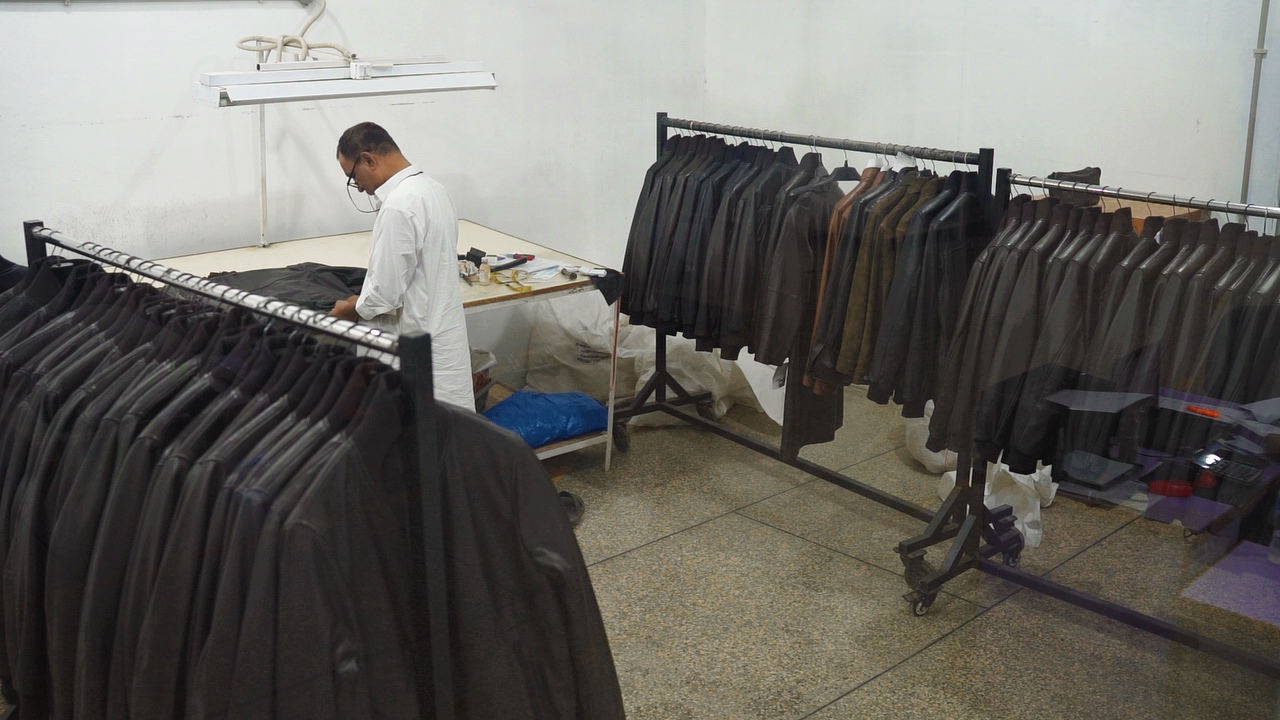
Black leather jackets have remained an important part of fashion for generations. They have been worn by military pilots, motorcyclists, musicians, film stars and everyday consumers who value their durability and confident appearance. Although the colour has remained consistent, the way these jackets are designed, manufactured and styled has changed significantly.
Classic black leather jackets are closely connected to established designs such as biker, bomber, aviator and café racer jackets. They usually preserve traditional proportions, practical details and durable materials. Modern black leather jackets take inspiration from these familiar styles but reinterpret them through updated fits, lighter materials, minimalist hardware, oversized silhouettes and new manufacturing techniques.
The difference between classic and modern black leather jackets is not simply a matter of age. A jacket manufactured today can still follow a classic design, while an older jacket may contain experimental features that appear modern. The distinction is mainly based on silhouette, detailing, materials, construction and intended use.
This guide explains the key differences between classic and modern black leather jackets. It also covers popular styles, leather choices, fit, quality, styling, care and important considerations for brands developing leather jackets for international markets.
What Is a Classic Black Leather Jacket?
A classic black leather jacket is based on a recognised design that has remained relevant for many years. Its appearance is usually connected to a particular historical or practical purpose.
Some classic jackets were originally designed for military aviation. Others were developed for motorcycle riders who needed protection from wind and road conditions. Over time, these functional garments entered mainstream fashion without completely losing their original features.
A traditional black leather jacket commonly includes:
- A structured silhouette
- Genuine leather with a visible natural grain
- Strong metal zips and snaps
- Practical pockets
- Reinforced seams
- A waist-length or hip-length body
- Traditional collars, lapels or ribbed edges
- Limited dependence on temporary fashion trends
Classic does not necessarily mean old-fashioned. A well-designed biker, bomber or café racer jacket can look just as relevant today as it did several decades ago.
The main attraction of a classic jacket is familiarity. Buyers understand its identity immediately. The jacket does not require unusual styling to create an effective appearance because its proportions and details are already well established.
What Is a Modern Black Leather Jacket?
A modern black leather jacket uses contemporary design ideas, materials or proportions. It may be inspired by a traditional style, but it adapts that foundation to current lifestyles and fashion preferences.
Modern jackets often focus on comfort, versatility and visual simplicity. Some eliminate decorative hardware, while others introduce bold shapes, mixed materials or experimental construction.
Common modern features include:
- Slim, relaxed or deliberately oversized fits
- Minimalist collars and concealed fastenings
- Lightweight leather
- Matte-black or tonal hardware
- Cropped or extended body lengths
- Removable hoods, collars or linings
- Mixed leather and textile panels
- Sustainable or alternative materials
- Unisex sizing and styling
- Technology-friendly internal pockets
A modern jacket may also be created for a specific fashion movement. Oversized streetwear jackets, cropped women’s designs and minimalist leather overshirts are examples of contemporary interpretations.
Unlike many traditional jackets, modern designs do not always have a direct connection with military, aviation or motorcycle use. Their main purpose may be fashion, everyday comfort or brand identity.
A Brief History of the Black Leather Jacket
Understanding the history of leather jackets makes the difference between classic and modern styles easier to recognise.
Leather has been used as protective clothing for centuries, but the modern leather jacket developed largely during the twentieth century. Military organisations and motorcycle manufacturers needed garments that could block wind, withstand regular wear and allow practical movement.
Early flight jackets were designed for pilots operating in exposed or poorly insulated aircraft. Leather provided useful protection against cold air, while shorter body lengths allowed pilots to sit and operate controls more comfortably.
Motorcycle jackets developed around a different set of requirements. Riders needed strong outerwear that could resist wind and provide some protection. Diagonal zips, wide lapels, secure waist belts and zipped cuffs became recognisable biker-jacket features.
During the middle of the twentieth century, cinema and music transformed leather jackets into cultural symbols. They became associated with rebellion, individuality, confidence and youth.
Later decades introduced slimmer silhouettes, brighter colours, luxury materials and fashion-focused details. Designers began treating the leather jacket as a creative garment rather than purely practical outerwear.
Modern versions continue this process. They borrow from classic military and motorcycle styles while adapting them for streetwear, luxury fashion, gender-neutral collections and changing consumer expectations.
The Main Difference Between Classic and Modern Black Leather Jackets
The clearest difference is the relationship each jacket has with tradition.
A classic jacket normally follows an established design. Its collar, closure, pocket arrangement and overall shape reflect a recognisable category. A modern jacket has greater freedom to alter or remove these familiar elements.
For example, a traditional biker jacket may feature an asymmetrical zip, wide lapels, a waist belt and several metal pockets. A modern biker-inspired jacket may keep only the angled fastening while removing the belt, reducing the hardware and using a softer leather.
Similarly, a classic bomber jacket usually has a central zip, rounded body, ribbed cuffs and fitted waistband. A modern version may use an oversized body, dropped shoulders, concealed pockets or an extended length.
Classic jackets often express heritage, durability and authenticity. Modern jackets generally place greater emphasis on contemporary proportions, comfort and styling flexibility.
Neither approach is automatically better. The right choice depends on the customer, intended use, wardrobe and desired brand position.
Comparison of Classic and Modern Black Leather Jackets
| Feature | Classic black leather jacket | Modern black leather jacket |
|---|---|---|
| Design inspiration | Military, aviation, motorcycle and heritage clothing | Contemporary fashion, streetwear and minimalist design |
| Fit | Structured, fitted or traditionally relaxed | Slim, cropped, oversized or unisex |
| Hardware | Visible metal zips, snaps and buckles | Minimal, concealed, tonal or decorative |
| Leather | Often heavier cowhide, goatskin or horsehide | Frequently softer lambskin, lightweight leather or alternatives |
| Length | Usually waist or hip length | Cropped, traditional, oversized or extended |
| Colour treatment | Solid black, polished or naturally aged | Matte, washed, distressed, coated or textured |
| Main purpose | Durability, heritage and practical use | Fashion, comfort and contemporary styling |
| Details | Traditional pockets, collars and closures | Simplified, removable or experimental details |
| Styling | Jeans, boots, shirts and heritage clothing | Streetwear, tailoring, athleisure and gender-neutral outfits |
| Trend sensitivity | Relatively low | Can be influenced by current trends |
Classic Black Leather Jacket Styles
Several styles define the classic leather-jacket category.
Classic Biker Jacket
The classic biker jacket is one of the most recognisable black leather garments. It usually features an asymmetrical front zip, wide lapels, zipped cuffs, multiple pockets and an adjustable waist belt.
These features were originally practical. The overlapping front helped block wind, while secure pockets protected personal items during riding. The cropped length allowed greater comfort while seated on a motorcycle.
Today, many biker jackets are designed primarily for fashion. A fashion jacket should not automatically be considered suitable protective motorcycle clothing. Proper riding garments require appropriate materials, armour and safety construction.
Café Racer Jacket
The café racer is cleaner and more minimal than the traditional double-rider biker jacket. It normally has a central zip, narrow band collar and limited external decoration.
Its simple construction makes it one of the easiest classic leather jackets to wear with modern clothing. It can work with jeans and boots, but it can also be combined with tailored trousers or a fine-knit jumper.
The café racer is an ideal choice for customers who appreciate motorcycle heritage without wanting prominent lapels, belts or heavy hardware.
Classic Bomber Jacket
A traditional leather bomber jacket generally features a central zip, fitted waistband, ribbed cuffs and a rounded upper-body shape.
Its origins are connected to military flight clothing. The short body and secure ribbing helped retain warmth while allowing aircrew to move comfortably.
Modern manufacturers produce bomber jackets in many leather types, but classic versions often use cowhide, goatskin or sheepskin.
Aviator Jacket
The aviator jacket is closely associated with pilots and military aviation. Traditional versions may include a shearling collar, warm lining, ribbed cuffs and a short, practical body.
Its combination of leather, insulation and historical character makes it especially suitable for colder seasons. Learn more about the history and features of black leather aviator jackets.
Flight Jacket
Flight jackets overlap with bomber and aviator styles but often maintain specific military-inspired details. These may include shirt-style collars, sleeve pockets, knitted waistbands and functional internal storage.
Classic flight jackets are often chosen by customers who prefer a practical, understated design with clear historical roots.
Leather Field Jacket
A leather field jacket is generally longer than a biker or bomber jacket. It may include four front pockets, a straight closure and an adjustable waist.
Although less closely associated with black leather fashion than the biker jacket, it remains a classic option for customers seeking additional coverage and storage.
Modern Black Leather Jacket Styles
Modern styles reinterpret the leather jacket for changing lifestyles and fashion preferences.
Minimalist Leather Jacket
A minimalist jacket removes unnecessary decoration. It may include a concealed front zip, clean stand collar, hidden pockets and tonal stitching.
Black hardware is frequently used so that the fastenings blend into the leather. This creates a smooth and refined appearance.
Minimalist jackets work particularly well in smart-casual wardrobes because they do not carry the aggressive visual character of a heavily decorated biker jacket.
Oversized Leather Jacket
Oversized jackets use dropped shoulders, wider sleeves and a relaxed body. They are especially common in modern streetwear and unisex collections.
A properly designed oversized jacket is not simply a conventional jacket produced in a larger size. Its pattern must control the placement of the shoulders, sleeves, pockets and hem.
Buying several sizes larger may create excessive sleeve length and incorrectly positioned details. A deliberate oversized pattern produces a more balanced result.
Cropped Leather Jacket
Cropped jackets finish around or above the natural waist. They are popular in contemporary women’s fashion and can be worn with high-waisted jeans, trousers and skirts.
Some modern cropped designs use traditional biker lapels, while others have simple collars and concealed closures.
The proportions must be carefully developed. If the body is shortened without adjusting the pockets, zip and sleeve shape, the jacket may appear incomplete.
Leather Overshirt
The leather overshirt combines features of a shirt and lightweight jacket. It usually has a straight body, shirt collar, button or snap closure and simple pockets.
It is often made from soft lambskin, sheepskin or lightweight goatskin. This allows it to be layered over T-shirts and knitwear without the stiffness of a traditional heavy jacket.
Hooded Leather Jacket
Modern hooded jackets may use a leather body with a fabric hood or include a completely removable hooded insert.
This design combines the polished appearance of leather with the relaxed character of sportswear. It is particularly popular among younger customers.
The connection between leather and fabric must be strong and carefully finished. Different materials can shrink, stretch or age at different rates.
Longline Leather Jacket
A longline leather jacket extends below the hip and may resemble a coat, blazer or shirt jacket.
It offers additional coverage and creates a more dramatic silhouette. However, it requires more leather and careful pattern development, which can increase manufacturing costs.
Leather Puffer Jacket
A leather puffer combines quilted insulation with a contemporary streetwear shape. It may use genuine leather, faux leather or a coated textile.
These jackets provide volume and warmth, but material weight is important. Heavy leather combined with substantial padding can make the garment uncomfortable.
Hybrid Leather Jacket
Hybrid jackets combine leather with wool, nylon, cotton, knitwear or technical textiles. Leather may appear on the sleeves, shoulders, pockets or front panels.
This approach can reduce weight and cost while creating a distinctive appearance. However, the materials must have compatible performance and care requirements.
Differences in Fit and Silhouette
Fit is one of the most visible differences between classic and modern jackets.
Classic jackets usually have proportions shaped by their original purpose. A biker jacket is cropped to work in a seated riding position. A bomber has a fuller upper body and fitted waistband. A café racer follows the torso more closely.
Modern jackets experiment with these proportions. Designers may extend the shoulders, widen the sleeves, crop the body or remove the fitted waistband.
Classic Structured Fit
A classic structured jacket should sit close to the body without restricting movement. The shoulders normally align with the wearer’s natural shoulder points, and the sleeves finish around the wrist.
Cowhide and other substantial leathers help maintain the jacket’s shape. The structure can make the wearer’s shoulders appear broader and the waist more defined.
Modern Slim Fit
Slim-fit jackets use narrow sleeves, a fitted chest and reduced excess material. They create a sharp appearance but can become uncomfortable if the pattern is too restrictive.
A jacket should still allow the wearer to reach forward and bend the arms naturally. Leather may soften, but it should not be expected to correct a seriously tight fit.
Modern Oversized Fit
Oversized jackets create volume through wider patterns rather than incorrect sizing. Dropped shoulders and relaxed armholes are intentional elements.
The design should appear spacious without overwhelming the wearer. Pocket placement, sleeve length and hem position must remain balanced.
Modern Cropped Fit
Cropped jackets bring attention to the waist and work well with high-rise clothing. They can create strong proportions but provide less protection from cold weather.
The front zip, pockets and lapels must be reduced and repositioned appropriately for the shorter body.
Differences in Leather Selection
Classic and modern jackets can use the same animal sources, but designers often select different weights, finishes and textures.
Cowhide
Cowhide is strongly associated with classic biker and motorcycle-inspired jackets. It is durable, structured and capable of developing character over time.
Heavy cowhide can require a break-in period. It may feel too substantial for customers who want a soft everyday fashion jacket.
Modern designers may use thinner cowhide or apply special finishes to reduce stiffness while maintaining durability.
Goatskin
Goatskin offers a balance of strength, flexibility and moderate weight. Its natural pebble grain works well for flight jackets, bombers and contemporary casual designs.
It can maintain a classic appearance while providing greater comfort than some heavier hides.
Lambskin
Lambskin is commonly used for modern luxury jackets because it feels soft, smooth and lightweight.
It is suitable for slim, cropped and minimalist designs. However, it is generally more delicate than heavy cowhide and may show scratches more easily.
Sheepskin and Shearling
Sheepskin can be used as lightweight leather, while shearling retains the wool for insulation.
Traditional aviator jackets frequently use genuine shearling. Modern versions may reduce the bulk, use contrasting finishes or introduce removable shearling components.
Buffalo Leather
Buffalo leather has a noticeable grain and rugged appearance. It is often used in vintage-inspired or heritage jackets.
It can create a strong classic identity, although designers may use washed or matte finishes to make it feel more contemporary.
Faux and Alternative Leather
Modern collections increasingly include synthetic or plant-based alternatives. These materials may appeal to customers seeking animal-free options or specific price points.
Performance varies considerably. Some alternatives provide a convincing appearance, while low-quality synthetic materials may peel or crack around folds and stress points.
Brands should avoid making unsupported sustainability claims. The complete material lifecycle, durability and manufacturing process should be considered.
Differences in Colour and Finish
Although both categories use black leather, the final appearance can vary significantly.
Classic jackets often have a polished, semi-aniline or naturally distressed finish. The leather may develop creases and tonal changes that contribute to its character.
Modern finishes include:
- Deep matte black
- Washed black
- Faded charcoal
- High-gloss coatings
- Embossed textures
- Metallic effects
- Waxed surfaces
- Deliberately uneven colour treatments
A matte finish usually creates a subtle, contemporary appearance. High-gloss leather feels bolder and more fashion-focused.
Distressed leather can suit both categories. On a classic jacket, it may create a vintage appearance. On a modern jacket, distressing may be combined with oversized proportions or experimental details.
The finish should be durable enough for the jacket’s intended use. A surface that looks impressive in a showroom may be unsuitable if it scratches or transfers colour easily.
Differences in Hardware and Details
Classic leather jackets often display their hardware openly. Large silver zips, metal snaps, waist buckles and visible pocket closures contribute to their identity.
Modern jackets may use:
- Concealed zips
- Matte-black hardware
- Magnetic closures
- Minimal pockets
- Two-way zips
- Removable components
- Tonal snaps
- Decorative oversized fastenings
Hardware quality is important in both categories. A poorly functioning main zip can make an otherwise attractive jacket frustrating to wear.
Modern design does not justify weak components. Clean-looking hardware must still be secure, smooth and durable.
Classic jackets may also contain epaulettes, belts and lapels, while modern designs frequently remove these elements to reduce visual complexity.
Differences in Construction
Traditional jackets are often designed with long-term durability in mind. They may use reinforced seams, substantial linings and strong pocket construction.
Modern jackets can be equally well made, but lightweight designs require different construction techniques. Thin lambskin cannot always support the same seam treatment and heavy hardware as thick cowhide.
A manufacturer must adjust:
- Needle size
- Thread strength
- Seam allowance
- Reinforcement
- Interlining
- Edge finishing
- Hardware weight
- Lining attachment
Modern bonded or raw-edge construction can create a clean appearance, but it must be executed carefully. Poorly finished edges may separate or lose their shape.
Classic visible topstitching can strengthen the garment while contributing to its rugged appearance. Modern jackets may reduce visible stitching to maintain a smooth surface.
Differences in Comfort and Practicality
Classic jackets may feel heavier and more structured. This can create durability and a strong silhouette, but it may require time for the leather to soften.
Modern jackets often prioritise immediate comfort. Lightweight hides, relaxed patterns and stretch panels can improve movement.
Traditional designs generally include practical external pockets, secure closures and wind-resistant features. Modern minimalist jackets may reduce pockets to create cleaner lines.
Consumers should consider how they will actually use the jacket. A visually simple jacket may look elegant but become inconvenient if it lacks internal storage.
Climate also matters. Heavy leather and insulated linings work well in cold conditions but may become uncomfortable in mild weather. Lightweight modern jackets offer greater seasonal flexibility but less warmth.
Classic vs Modern Jackets for Men
Men’s classic leather jackets commonly use structured shoulders, straight body shapes and traditional motorcycle or aviation details.
A biker jacket works well with jeans, boots and a plain T-shirt. A café racer can be dressed up slightly with a knit jumper and tailored trousers. A bomber suits relaxed everyday clothing.
Modern men’s designs provide greater variety. Slim minimalist jackets work with smart-casual outfits, while oversized jackets suit streetwear.
Men should consider shoulder fit carefully. A classic jacket usually looks best when its shoulder seams sit close to the natural shoulder points. An oversized design can extend beyond them, but the proportion should appear intentional.
The choice depends on the wearer’s existing wardrobe. Someone who regularly wears denim and boots may benefit from a classic biker or café racer. A customer who prefers wide trousers, trainers and hoodies may find a modern oversized jacket easier to style.
Classic vs Modern Jackets for Women
Classic women’s leather jackets often adapt biker and bomber designs through a shaped waist, narrower shoulders and shorter body length.
A fitted biker jacket can be worn with jeans, dresses, skirts and boots. Its structured design creates contrast when combined with softer fabrics.
Modern women’s jackets include oversized biker styles, cropped bombers, leather blazers, puffer jackets and minimalist overshirts.
An oversized jacket can create a relaxed contemporary silhouette, while a cropped jacket defines the waist. A leather blazer offers a more polished option for work or smart-casual settings.
Women can also wear men’s jackets for an intentionally oversized appearance. However, sleeve length, shoulder position and pocket placement should still look controlled.
How to Style a Classic Black Leather Jacket
Classic jackets work best when the rest of the outfit supports their established character without becoming costume-like.
With Jeans and a T-Shirt
A black biker or café racer jacket can be worn with a white T-shirt, blue or black jeans and leather boots. This combination is simple and timeless.
With Knitwear
Wear a bomber or flight jacket over a lightweight jumper. Dark denim and Chelsea boots can create a refined casual outfit.
With a Dress
A fitted biker jacket adds structure to a floral, satin or neutral dress. Trainers keep the outfit relaxed, while boots create a stronger appearance.
With Tailored Clothing
A clean café racer can work with tailored trousers and fine knitwear. Avoid excessive hardware when aiming for a smart-casual look.
The key is restraint. Combining a biker jacket with multiple chains, distressed trousers and heavy boots may create an overly themed outfit unless that is the intended style.
How to Style a Modern Black Leather Jacket
Modern jackets allow greater experimentation with proportion and texture.
Oversized Streetwear
Combine an oversized jacket with a hoodie, wide-leg trousers and trainers. Keep the colour palette controlled so the silhouette remains the main feature.
Cropped Proportions
Wear a cropped leather jacket with high-waisted jeans, trousers or a skirt. A fitted base layer helps balance the shorter shape.
Minimalist Outfit
Pair a clean black leather jacket with a roll-neck top, tailored trousers and simple footwear. Tonal colours create a refined appearance.
Leather Overshirt
Layer a soft leather overshirt over a T-shirt or knit top. Straight trousers and understated trainers complete the contemporary look.
Texture-Based Styling
A completely black outfit can remain visually interesting when it combines leather, denim, cotton, wool and knitwear.
Modern styling often depends on proportion. A large jacket should usually be balanced with deliberate trouser volume or a streamlined base layer.
Which Style Is More Timeless?
Classic jackets generally have an advantage in long-term relevance because their designs have already survived several fashion cycles.
A simple café racer, bomber or biker jacket can remain wearable for decades. These garments may develop signs of age without looking outdated.
Modern designs can also last, particularly when they use clean lines and moderate proportions. However, extremely oversized shoulders, unusual cut-outs or exaggerated hardware may be closely connected to a particular period.
Customers seeking a long-term investment should choose a jacket with balanced proportions and limited dependence on temporary trends.
Fashion-conscious buyers may prefer modern designs because they create a more current and distinctive appearance.
Which Style Offers Better Value?
Value depends on construction, materials and frequency of use rather than style alone.
A classic jacket may offer excellent cost per wear because it can be combined with many outfits over several years.
A modern jacket can also provide good value when it fits the customer’s lifestyle. Someone who regularly wears streetwear may use an oversized jacket more often than a traditional biker style.
Before buying, examine:
- Leather type and finish
- Stitching quality
- Lining material
- Zip performance
- Pocket construction
- Fit and movement
- Care requirements
- Return policy
A high price does not automatically indicate superior quality. Luxury pricing may include branding, marketing, packaging and retail costs.
How to Choose Between Classic and Modern
Choose a classic black leather jacket if you:
- Prefer timeless clothing
- Wear jeans, boots and simple shirts regularly
- Appreciate motorcycle or aviation heritage
- Want visible leather grain and traditional hardware
- Plan to keep the jacket for many years
- Prefer a structured silhouette
Choose a modern black leather jacket if you:
- Follow contemporary fashion
- Prefer oversized, cropped or minimalist fits
- Wear streetwear, athleisure or modern tailoring
- Want lightweight leather
- Prefer concealed or tonal hardware
- Enjoy experimental proportions and mixed materials
Some jackets successfully combine both approaches. A modern café racer may preserve the traditional shape while using lightweight lambskin and matte-black hardware. A contemporary aviator may retain its shearling collar but adopt an oversized unisex pattern.
How to Check Quality Before Buying
Regardless of style, quality should be assessed carefully.
Examine the Leather
The leather should feel suitable for the garment’s purpose. Heavy cowhide may feel firm, while lambskin should feel soft and smooth.
Natural variation is normal, but neighbouring panels should have reasonably balanced colour, grain and shine.
Inspect the Stitching
Look for straight, even and secure stitching around the shoulders, armholes, pockets, collar and zip.
Loose threads, skipped stitches and uneven seams can indicate poor quality control.
Test the Zips
Open and close every zip several times. It should move smoothly without catching the lining or separating.
Check the Lining
The lining should sit smoothly without twisting, sagging or extending below the leather shell.
Internal seams and pockets often reveal the manufacturer’s overall attention to detail.
Review the Hardware
Snaps, buckles and decorative pieces should feel secure. There should be no sharp edges that could damage the leather or irritate the wearer.
Test the Fit
Close the jacket and move your arms naturally. Reach forward, bend the elbows and raise the arms.
The jacket should not create severe pressure around the shoulders, chest or armholes.
Common Buying Mistakes
One common mistake is choosing a jacket only because it looks fashionable in photographs. The fit, material and construction may not suit the buyer’s needs.
Another mistake is assuming that all genuine leather is equal. Buyers should ask about the animal source, leather grade, thickness and finish.
Some people buy a jacket that is too tight and expect it to stretch considerably. Leather may soften, but it will not necessarily correct incorrect shoulder or chest measurements.
Purchasing an ordinary fashion jacket for motorcycle protection is another serious mistake. Proper protective clothing requires specialised materials, construction and safety features.
Buyers may also choose an oversized jacket simply by purchasing a larger standard size. This can lead to excessively long sleeves and badly positioned pockets.
Finally, do not ignore the lining, zips and stitching. These components may fail before the leather itself.
Caring for Classic and Modern Leather Jackets
Both styles require appropriate care, but material and construction differences may affect the process.
Hang the jacket on a wide, supportive hanger. Thin wire hangers can distort the shoulders.
Store it in a cool, dry and ventilated space away from prolonged sunlight. Black leather can fade when exposed to direct light for extended periods.
Avoid sealing the jacket permanently in plastic. A breathable garment cover is better for long-term storage.
Remove light dust using a soft cloth. Use leather-specific cleaning products for stains and test them on a hidden area first.
Apply conditioner only when smooth leather begins to feel dry. Excessive conditioner may darken the surface or leave a greasy residue.
If the jacket becomes wet, blot away moisture and allow it to dry naturally at room temperature. Do not use radiators, heaters or hair dryers.
Mixed-material modern jackets may require more complicated care. A product suitable for leather may damage fabric panels, coatings or synthetic components.
Always follow the manufacturer’s instructions, particularly for suede, nubuck, shearling and alternative materials.
Custom Manufacturing for Fashion Brands
For fashion labels, wholesalers and retailers, both classic and modern black leather jackets offer strong product-development opportunities.
Classic designs provide established commercial appeal. Buyers already recognise biker, bomber, café racer and aviator silhouettes, making these products easier to position.
Modern designs allow a brand to create a more distinctive identity through proportion, finishing, hardware and mixed materials.
The development process usually begins with a sketch, reference sample or detailed technical pack. The buyer and manufacturer should confirm:
- Leather type and thickness
- Surface finish
- Garment measurements
- Lining material
- Hardware design and colour
- Stitching requirements
- Pocket construction
- Labels and branding
- Packaging
- Acceptable tolerances
A physical sample should be produced before bulk manufacturing. The brand must assess fit, comfort, appearance and movement rather than relying only on photographs.
Leather variation should also be discussed. Natural hides can differ in grain, shade and surface markings. Buyers and manufacturers should agree on acceptable standards before production begins.
For B2B buyers, Hamid Leather Ltd manufactures custom leather garments for international fashion brands, wholesalers and retailers.
Developing a Balanced Collection
Brands do not always need to choose entirely between classic and modern jackets. A balanced collection can contain both.
Classic styles can act as dependable core products. A café racer, bomber and biker jacket may remain available across several seasons with small updates.
Modern styles can introduce seasonal interest. Cropped jackets, oversized fits, alternative finishes and hybrid designs can respond to changing consumer preferences.
A practical collection may include:
- A classic cowhide biker jacket
- A clean goatskin café racer
- A lightweight lambskin minimalist jacket
- An oversized unisex bomber
- A cropped women’s biker jacket
- A shearling aviator for winter
This approach allows the brand to reach customers who value heritage as well as those seeking contemporary fashion.
Sustainability and Long-Term Use
The environmental impact of a jacket cannot be judged from one feature alone.
Durability is an important consideration. A well-constructed jacket that remains wearable for many years may reduce the need for frequent replacement.
Classic styles often support longevity because they are less likely to look outdated. Modern jackets can also last when they use balanced designs and strong construction.
Manufacturers can improve production through responsible chemical management, water control, energy efficiency and careful waste handling.
Efficient cutting helps reduce unused leather. Smaller offcuts may be repurposed for accessories, reinforcement pieces or labels.
Brands should request evidence when suppliers make environmental claims. Certifications, audit reports and documented processes are more reliable than vague terms such as “green” or “eco-friendly.”
Repairability also matters. Replaceable zips, strong linings and accessible seams can extend a jacket’s useful life.
Frequently Asked Questions
Are classic black leather jackets still fashionable?
Yes. Biker, bomber, café racer and aviator jackets remain popular because their basic designs are practical, recognisable and easy to style.
What makes a leather jacket modern?
Modern jackets often use updated proportions, minimalist hardware, lightweight materials, mixed fabrics or unconventional finishes. Oversized and cropped fits are common examples.
Is a classic leather jacket better than a modern one?
Neither is automatically better. Classic jackets offer timelessness and heritage, while modern jackets provide contemporary styling and greater experimentation.
Which style is best for everyday use?
A café racer, minimalist jacket or simple bomber can work well for everyday use. The best choice depends on climate, wardrobe and personal comfort.
Which leather is most durable?
Cowhide and buffalo leather are generally strong and substantial. Goatskin also provides good durability with greater flexibility. Construction quality remains equally important.
Is lambskin suitable for a modern jacket?
Yes. Lambskin is soft, lightweight and suitable for slim, cropped and minimalist fashion jackets. However, it is more delicate than heavy cowhide.
Should a leather jacket fit tightly?
It should feel secure without restricting movement. The front should close comfortably, and the wearer should be able to move their arms naturally.
Are oversized jackets just larger sizes?
No. A properly designed oversized jacket uses adjusted shoulders, sleeves, armholes and pocket positions. Buying a standard jacket several sizes larger may create an unbalanced fit.
Can a fashion leather jacket be used for motorcycle riding?
Not necessarily. A fashion jacket should not be assumed to provide suitable abrasion resistance or impact protection. Riders should choose specialist protective clothing.
Can black leather fade?
Yes. Sunlight, friction, moisture and unsuitable cleaning products can affect black leather. Proper care and storage can reduce fading.
Are faux leather jackets durable?
Quality varies. Some synthetic jackets perform well, while low-quality materials may peel or crack relatively quickly.
How long can a genuine leather jacket last?
A well-made jacket can last for many years or even decades when it is worn and maintained properly.
Can classic details be combined with a modern fit?
Yes. Many successful designs combine traditional collars, zips or pockets with contemporary slim, cropped or oversized proportions.
Which style is better for a fashion brand?
Classic styles can provide dependable long-term sales, while modern designs help establish a distinctive seasonal identity. Many brands benefit from offering both.
Final Thoughts
The main difference between classic and modern black leather jackets lies in how each design responds to tradition.
Classic jackets preserve recognisable styles shaped by aviation, military clothing and motorcycle culture. Their structured silhouettes, practical pockets, visible hardware and durable leather give them a strong sense of identity.
Modern jackets use those familiar foundations more freely. They may introduce oversized shoulders, cropped bodies, concealed hardware, lightweight leather, mixed materials or minimalist construction.
Classic does not mean outdated, and modern does not automatically mean better. A traditional biker jacket can look completely relevant today, while a modern design can become timeless when its proportions and construction are carefully considered.
The right jacket should match the wearer’s lifestyle, climate and wardrobe. Customers seeking heritage, structure and long-term versatility may prefer a classic café racer, bomber or biker jacket. Those who value relaxed proportions, contemporary styling and lighter materials may find a modern design more suitable.
Quality remains essential in both categories. Buyers should examine the leather, stitching, lining, zips, hardware and fit before making a decision. A fashionable silhouette cannot compensate for weak construction, and traditional styling does not guarantee durability.
For brands and wholesale buyers, classic and modern jackets serve different commercial purposes. Classic designs can become dependable core products, while modern interpretations can introduce seasonal variety and strengthen brand identity.
The most successful leather jackets often balance both worlds. They respect the practical principles of traditional garments while adapting fit, comfort and styling for modern consumers.
Whether you choose a structured heritage jacket or a relaxed contemporary design, a carefully made black leather jacket can remain one of the most versatile and distinctive pieces in a wardrobe.