Private label black leather jackets give European fashion businesses a reliable path to stronger margins, better supply chain control, and differentiated positioning. This guide covers regional demand patterns, the styles that generate the most consistent B2B sell-through, sourcing standards, and what a well-run private label program requires in practice.
The black leather jacket is one of the few outerwear categories that does not depend on a seasonal trend cycle to move inventory. Retailers know it. Wholesalers know it. And increasingly, the businesses that treat it as a private label opportunity—rather than a branded wholesale purchase—are the ones capturing more of the margin that would otherwise go to a third-party label.
For European fashion businesses at the wholesale, distribution, or retail level, private label sourcing in this category offers stable year-round demand, identifiable quality signals that support premium pricing, and enough style variation to serve multiple market segments without an unmanageable SKU count.
Why Black Leather Jackets Remain a Core Category for European Wholesalers
Most outerwear categories carry meaningful clearance risk. The black leather jacket behaves differently. Sell-through is driven by replacement purchasing, category entry, and gift purchasing—motivations that persist across the calendar year. Retailers who stock this category at the right quality tier consistently report more stable inventory performance than comparable outerwear. Markdown pressure is lower when the product has clear quality signals and a recognizable silhouette.
For private label specifically, the category suits brand development well. Consumers already have reference points for quality in leather outerwear, which means your label can compete on demonstrable material and construction attributes rather than brand recognition alone.
Which European Markets Are Driving Demand?
Regional demand patterns vary significantly and carry real implications for which styles to prioritize.
Northern European markets—Germany, Scandinavia, and the Netherlands—favor minimalist and structured cuts. Consumers expect leather outerwear to layer well across varied conditions. The structured blazer jacket also performs here, given the professional consumer base and preference for versatile investment pieces.
Southern European markets—Italy, Spain, and Portugal—show stronger affinity for the classic biker silhouette and slim, tailored constructions. Italian consumers bring category knowledge that rewards suppliers who can document material provenance. Premium pricing is more achievable in these markets, but quality signals need to hold up under scrutiny.
The UK market spans a wide price range, from fast-contemporary volume retail to premium independent boutiques. Vintage and heritage styles find a particularly engaged consumer base in independent retail.
East-central European markets—Poland, Czech Republic, and Hungary—are showing growing interest in premium vintage styles as consumer purchasing power increases.
For wholesalers covering multiple territories, a tiered assortment—one or two core styles that work broadly, supplemented by region-specific additions—will generally outperform a single uniform SKU strategy.
The Styles That Generate the Most Consistent B2B Demand
Style decisions at the buying stage determine how the category performs at the retail level. These are the most commercially reliable positions in European B2B markets.
Classic Biker Jacket. The anchor SKU for most private label programs. Consumer recognition across age demographics is higher here than in any other silhouette, and purchase motivations—replacement, upgrade, category entry—persist year-round. Premium pricing is achievable when hardware weight, stitching consistency, and lining quality are clearly demonstrable.
Minimalist and Modern Cut. Gaining consistent ground in urban and fashion-forward markets. Its cross-category versatility—working across multiple seasonal collections without repositioning—makes it easier to merchandise alongside a broader range of garments. Treat this as a growth position in your assortment.
Structured Blazer Jacket. Expands the category to consumer segments that would not engage with a biker or minimalist style. Department stores, menswear specialists, and corporate-casual retailers are all viable channels. Margin potential is higher here because the consumer comparison set shifts to tailored outerwear, where price anchors are already elevated.
Oversized and Relaxed Fit. Best carried as a secondary assortment position. It performs well in digital merchandising contexts and appeals to a demographic growing its share of European fashion spend. Cross-season wearability extends the selling window and reduces clearance pressure.
Vintage and Distressed Style. Carries a sourcing story that supports premium pricing in a way most silhouettes cannot. Heritage construction details and aged patinas give retailers a quality narrative that supports higher willingness to pay. Qualify suppliers carefully—request production samples across a batch run, not just a single prototype.
Bomber and Cropped Silhouette. Performs well in fast-contemporary and contemporary retail environments. Production supports competitive wholesale pricing, and styling flexibility is high. Focus supplier evaluation on lead time reliability and reorder flexibility rather than material differentiation.
Sourcing and Quality Standards to Require
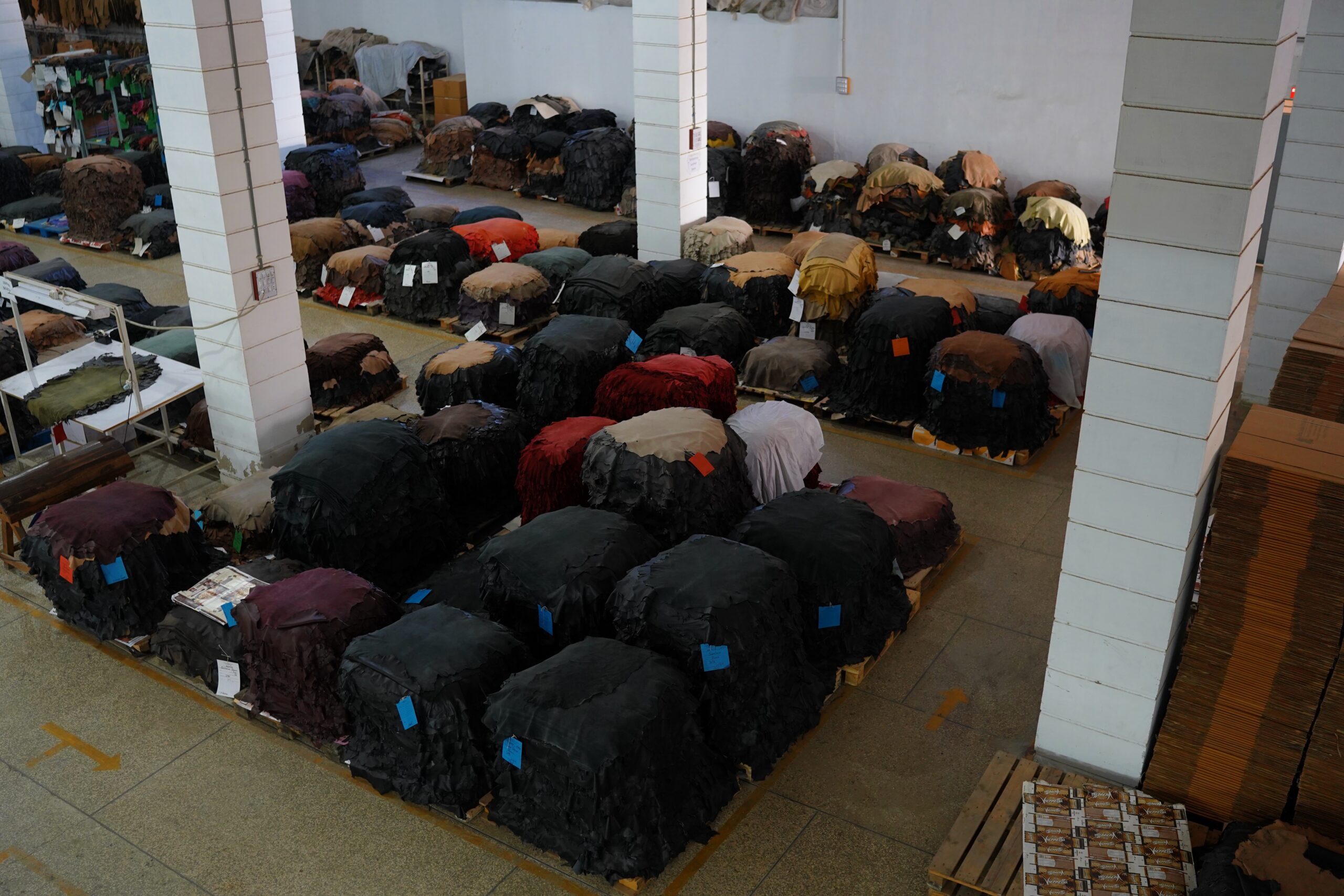
Material grade drives product performance and consumer satisfaction across every style category. Full-grain leather holds its appearance over time and supports a premium quality narrative. Top-grain leather offers a more uniform finish at a lower price point and suits mid-market positioning well. Split and bonded leather carry lower costs but higher durability risk—acceptable for volume retail, but a liability if your retail partners are building a quality reputation.
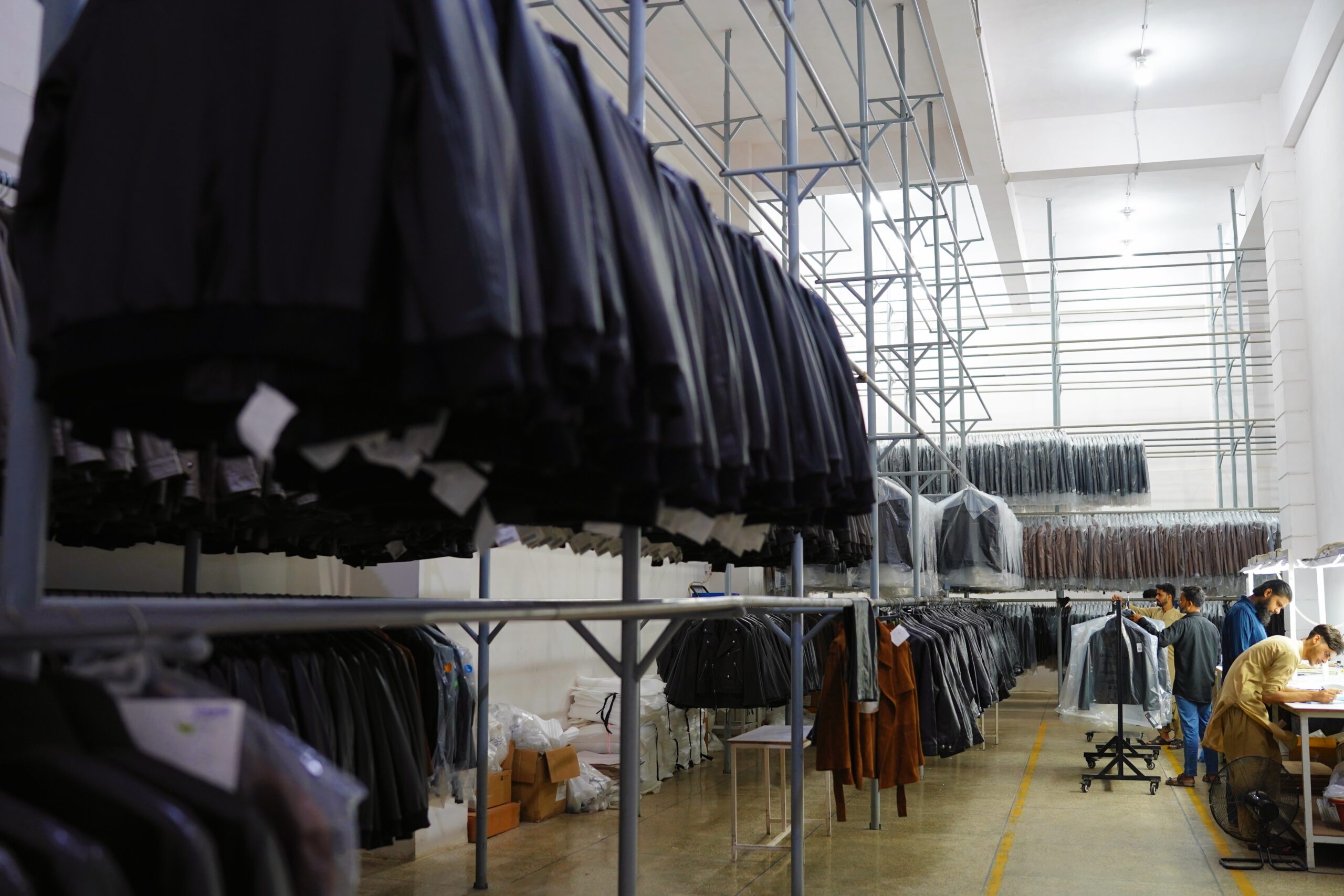
Construction quality should be assessed at multiple points: stitching consistency, hardware weight, and lining finish are what consumers notice and what retailers can communicate at point of sale.
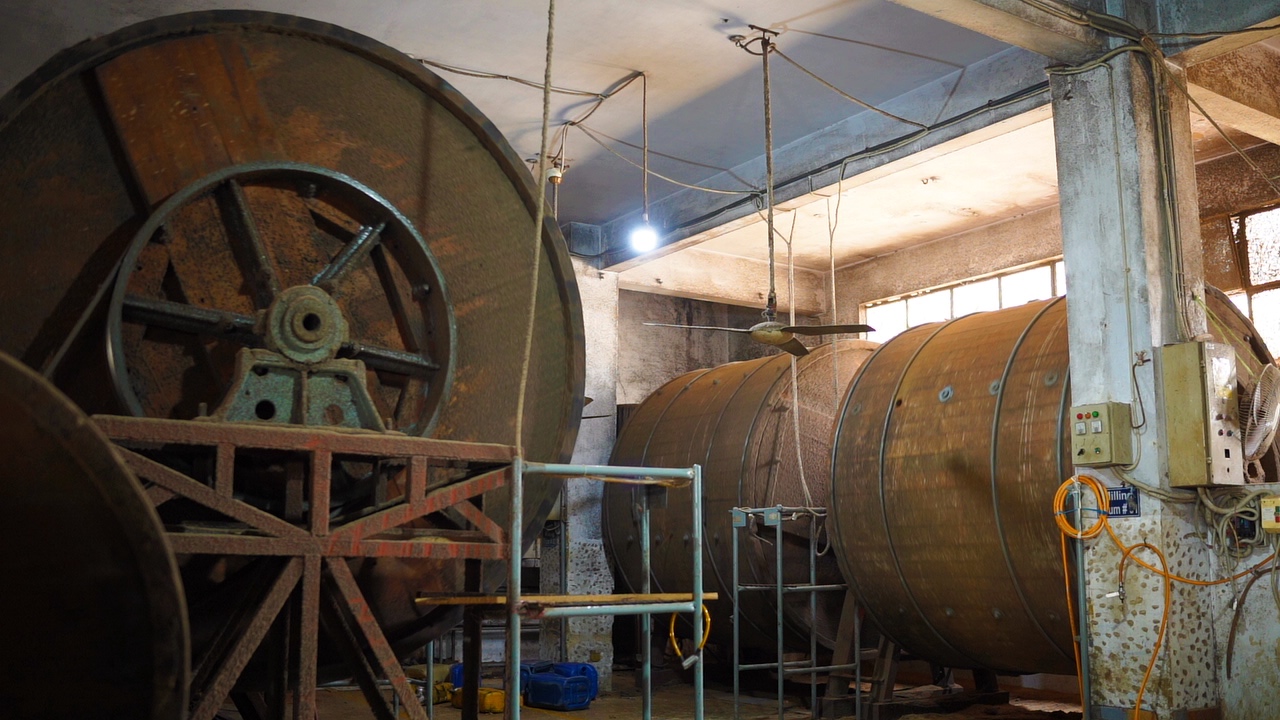
On compliance, Leather Working Group (LWG) certification from tanneries confirms environmental compliance and is becoming a standard requirement as EU regulations on chemical restrictions continue to tighten. REACH compliance is the regulatory baseline for chemical safety in EU markets. Request documentation for any additional certifications before finalizing supplier agreements.
Customization options for private label programs typically include hardware finish and weight, lining material and color, branding placement, and packaging. Clarify the full scope of customization with suppliers early in the qualification process—before sampling—to avoid timeline delays.
Pricing, Margin, and Buying Cycle Considerations
Margin potential varies by style category. Vintage and structured blazer styles can support the highest wholesale margins when quality documentation is strong. Classic biker and minimalist styles offer reliable mid-range margins with consistent volume. Bomber and oversized silhouettes trade margin for turnover—better suited to volume retail than premium positioning.
MOQs typically range from 50 to 200 units per style, depending on production scale and customization requirements. Higher volume commitments generally support better unit pricing, but weigh lower unit costs against inventory exposure before committing to quantities beyond your confident sell-through forecast.
Wholesale purchasing concentrates in two windows: late summer for autumn/winter sell-in, and early spring for transitional season inventory. Buyers who commit to forward orders ahead of these windows are better positioned to negotiate unit pricing and secure production capacity. In-season replenishment capability—where suppliers can fulfill reorders on short lead times—reduces pre-season commitment requirements and lowers inventory risk.
What a Reliable Private Label Program Requires
The operational side is where many buyers encounter avoidable problems.
Supplier vetting should include LWG certification review, production references from comparable buyers, and capacity confirmation. Maintain at least two qualified production relationships to reduce supply disruption risk.
For sampling, a clear brief covering material specifications, hardware, lining, and branding reduces revision cycles. Request production-equivalent samples—not showroom samples—before approving a bulk run.
Forecast planning benefits from this category’s demand stability. Buyers who track sell-through data by style and region across two or more seasons build progressively more accurate forecasts, reducing both overstock and missed reorder opportunities.
Clarify reorder lead times, quality dispute procedures, and communication ownership before placing an initial order. Suppliers who are transparent about these processes at the outset are more likely to be reliable partners when problems arise.
Building a Durable Position
Private label black leather jackets are not a short-term margin play. The businesses that benefit most build assortment depth progressively, develop supplier relationships that support consistent quality and reliable replenishment, and use the category’s inherent stability to reduce overall portfolio risk.
The starting point is supplier qualification. Identify two or three production partners who can demonstrate regulatory compliance, consistent quality between sample and bulk run, and lead time reliability for in-season replenishment. Set your price-tier strategy before entering negotiations so your commercial requirements are clear from the start.
If you would like to discuss assortment planning, regional sourcing strategy, or supplier evaluation for the European leather jacket market, tell us where you are in the process and what you are working to achieve.