
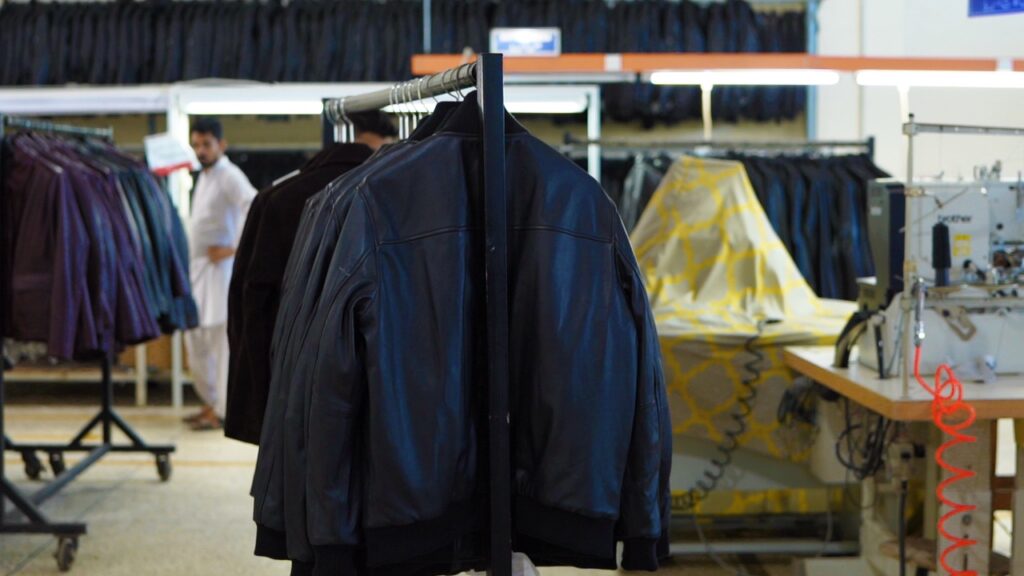
The black leather jacket is one of the most consistently purchased outerwear items across European fashion markets. For B2B buyers, retailers, and distributors, stocking this category offers reliable inventory turnover, broad consumer appeal, cross-season wearability, and strong margin potential — making it a sound addition to any wholesale or retail buying strategy.
European consumers buy black leather jackets with a consistency that few other garments can match. Trends shift. Seasonal categories fluctuate. But the black leather jacket moves — month after month, across demographics, across price points, and across distribution channels.
For retail buyers and trade professionals sourcing inventory for the European market, this is not a minor detail. It means the black leather jacket functions differently from most apparel categories. It does not need a seasonal promotional push to generate demand. It does not carry the same clearance risk as trend-dependent pieces. When sourced at the right quality and positioned at the right price, it holds its place in the assortment and contributes to steady revenue across the year.
This post outlines the business case for prioritizing black leather jackets in your European B2B inventory strategy — from consumer demand patterns and quality sourcing considerations to margin potential, competitive positioning, and distribution advantages. If you are a buyer, wholesaler, or distributor evaluating where to direct category investment, the following sections provide the operational context you need to make a well-informed decision.
What Makes the Black Leather Jacket a Durable B2B Category in Europe?
The historical and cultural roots that sustain demand
The black leather jacket has been embedded in European fashion culture for over a century. Its origins trace to functional military and aviation use in the early twentieth century, where European manufacturers — particularly in Germany, France, and the United Kingdom — developed leather outerwear for durability under harsh conditions. After World War II, the garment crossed into civilian and subcultural fashion across the continent, adopted by youth movements and eventually absorbed into mainstream wardrobes.
This trajectory matters for B2B buyers because it means the black leather jacket carries cultural weight that advertising alone cannot manufacture. Demand is not being sustained by a single trend cycle — it is supported by decades of consumer familiarity and wardrobe habit. European shoppers are not discovering the black leather jacket; they are replacing, upgrading, or diversifying their existing relationship with it.
That foundation translates into predictable purchase behavior, which is a meaningful advantage when planning inventory depth and replenishment cycles.
Regional style variation across European markets
European demand for black leather jackets is not uniform, and understanding regional variation helps buyers tailor their assortment more precisely.
In Southern European markets — Italy, Spain, and Portugal — consumers tend to favor slimmer cuts with refined detailing, consistent with the region’s preference for tailored silhouettes. Heritage leather craftsmanship in Italy has also positioned higher-end leather jackets as investment pieces, with buyers in these markets demonstrating willingness to pay premium prices for provenance and construction quality.
Northern and Western European markets, including Germany, the Netherlands, and Scandinavia, show stronger demand for functional designs — structured cuts with practical features that accommodate varied weather conditions. The UK market, historically a significant driver of leather jacket culture through its music and fashion industries, continues to support both classic biker-style silhouettes and contemporary interpretations.
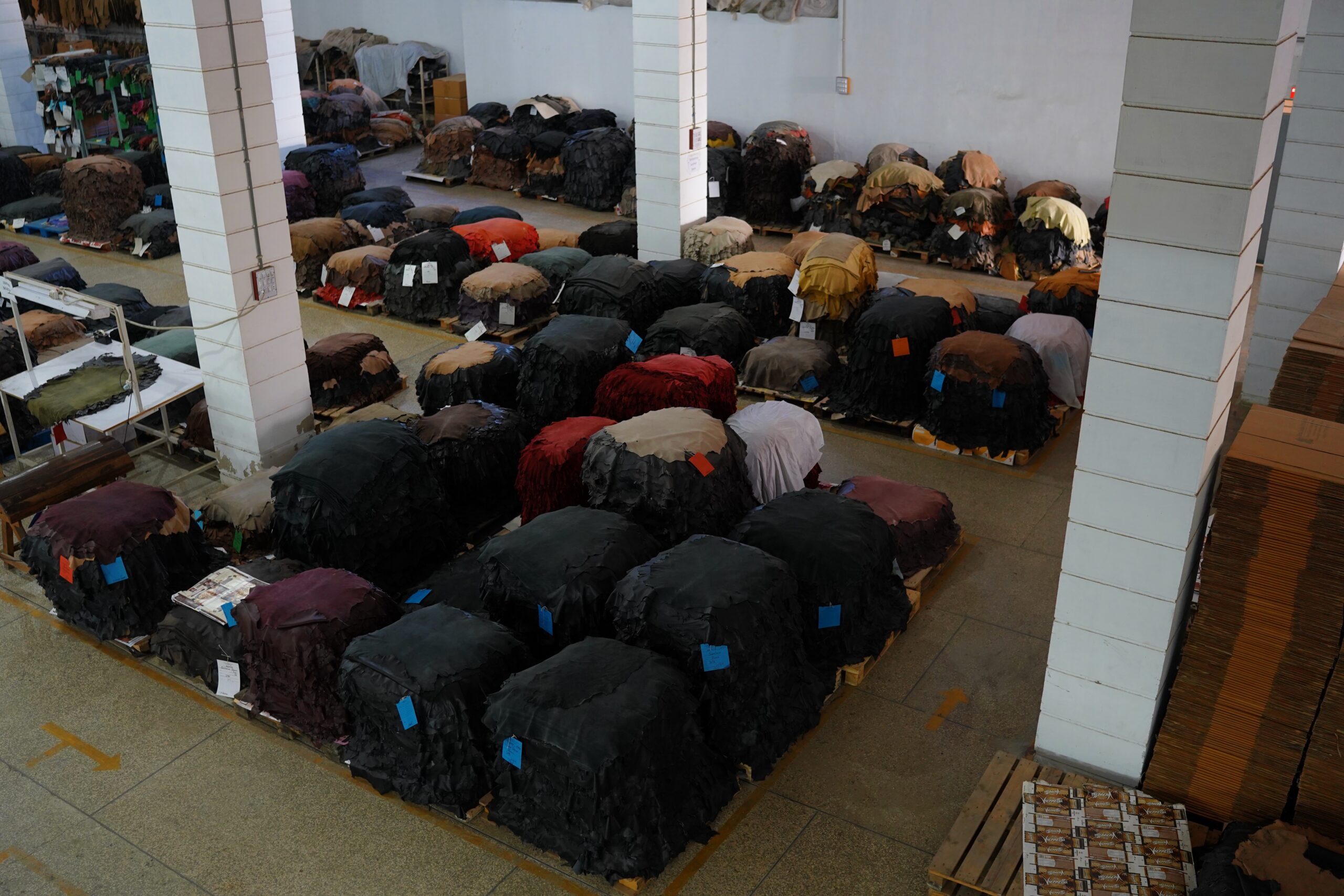
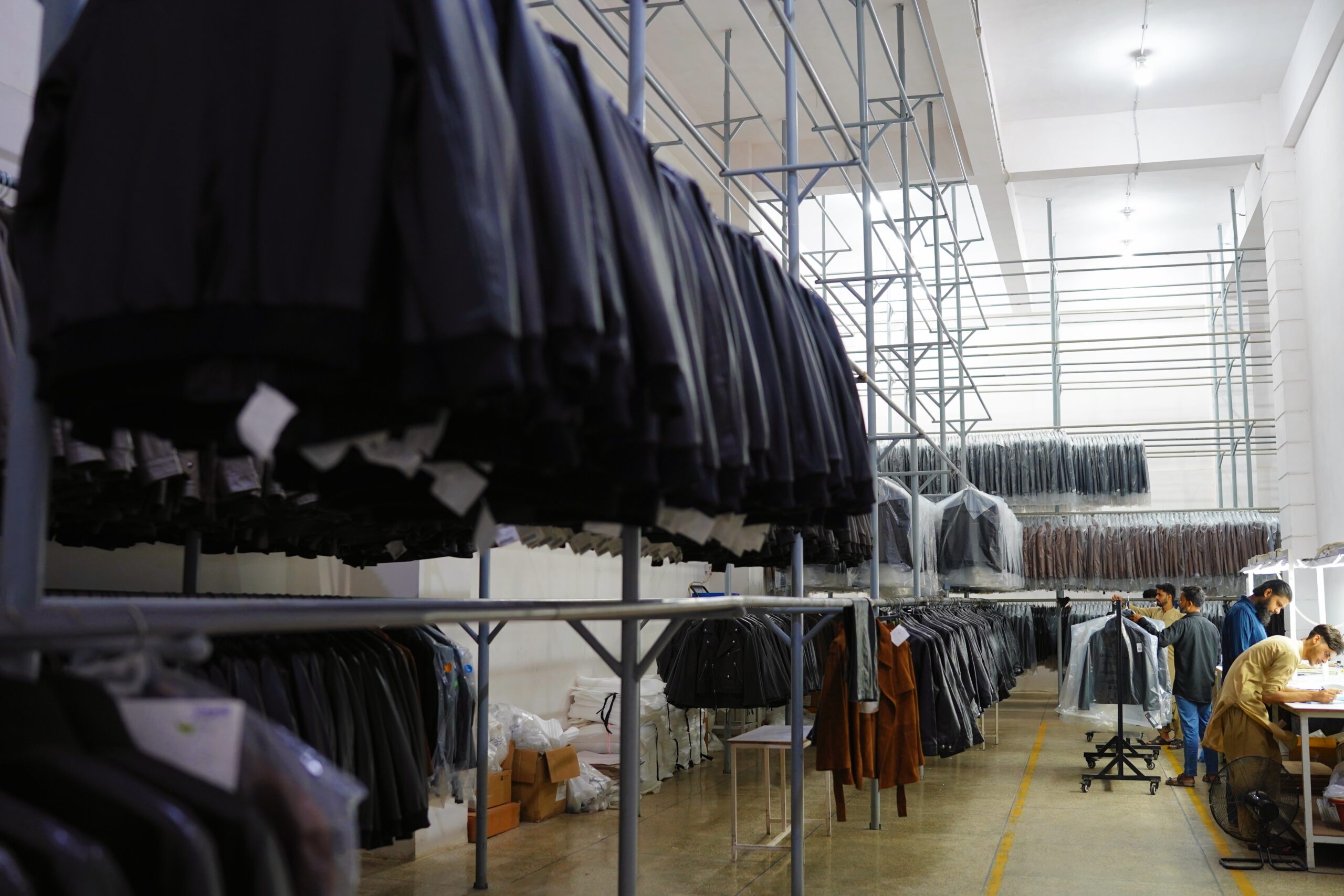
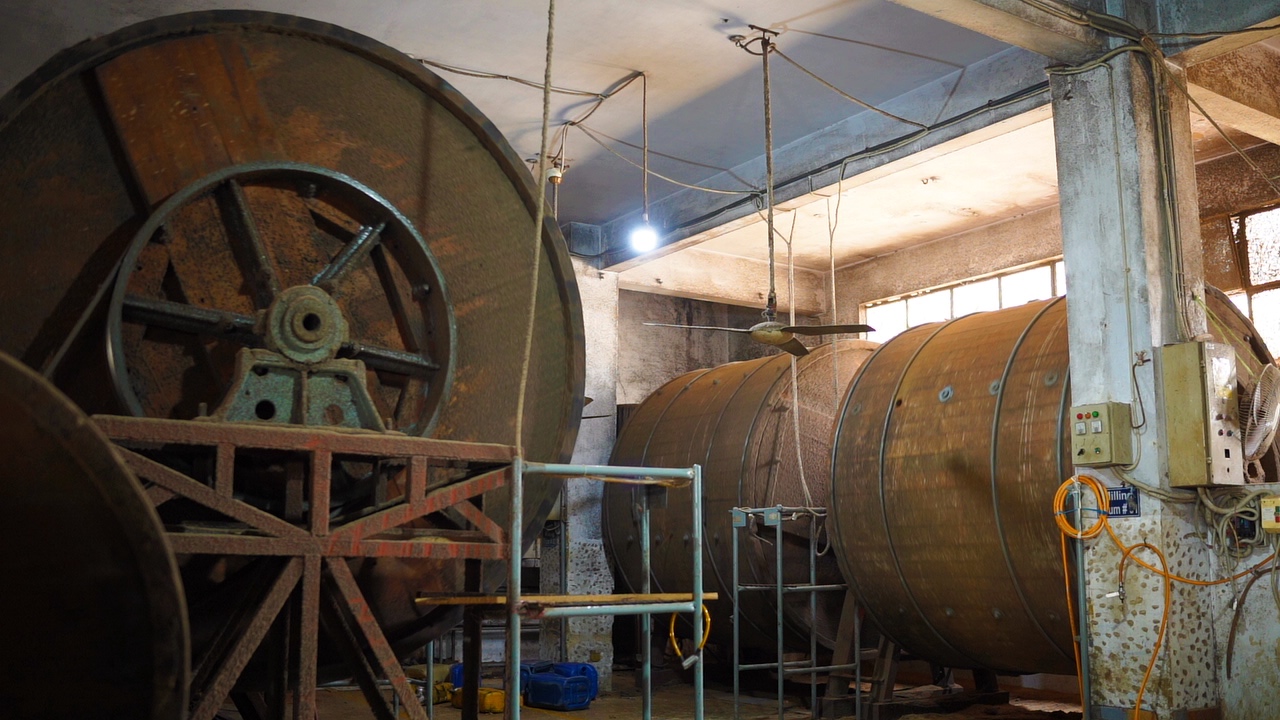
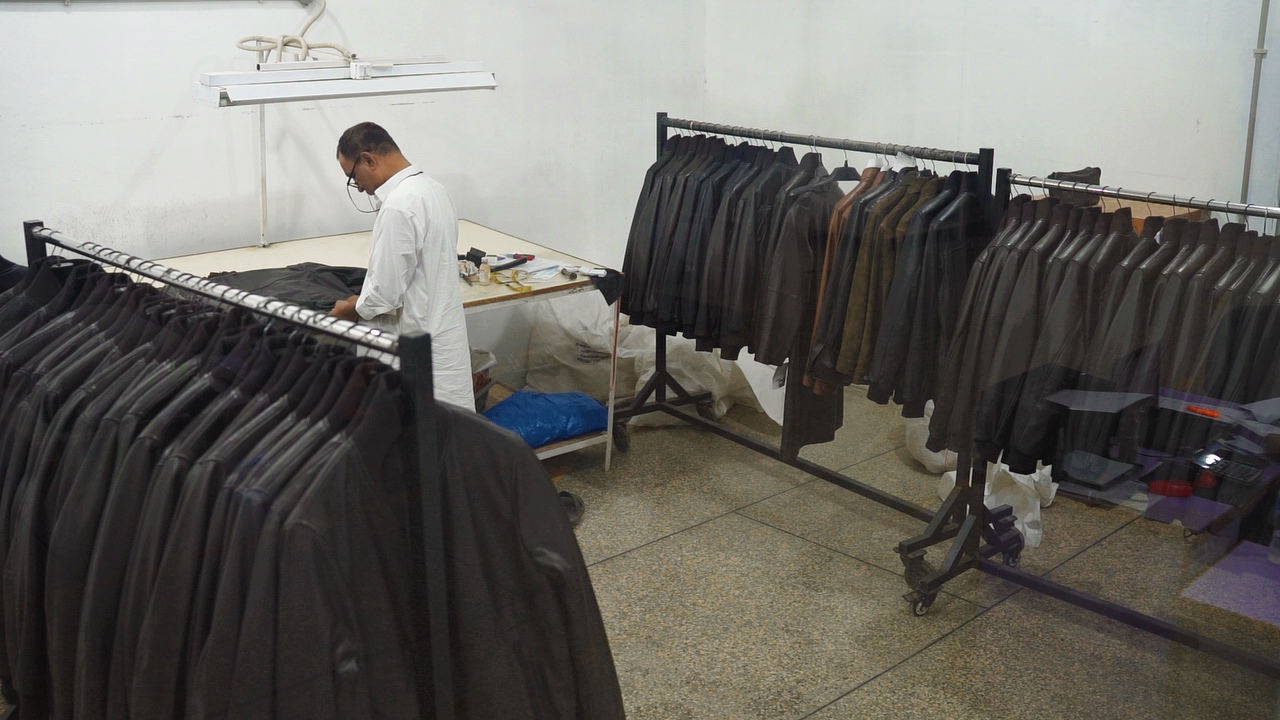
The next concrete step is supplier qualification. Buyers looking for a reliable production partner can explore Hamid Leather, an integrated tannery and leather apparel manufacturer offering manufacturing solutions for brands, wholesalers, retailers, and private-label businesses. When comparing suppliers, evaluate material transparency, production capacity, quality-control procedures, sample-to-bulk consistency, minimum order quantities, customisation options, and delivery lead times. Establish your preferred price tier and product specifications before requesting samples or quotations so you can negotiate from a clear commercial position.
For distributors operating across multiple European territories, this means a tiered assortment strategy — rather than a single SKU — is likely to perform better across the full footprint.
What Does European Consumer Demand Actually Look Like for B2B Buyers?
Purchasing patterns among fashion buyers and retailers
European fashion buyers consistently include black leather jackets in core assortments rather than treating them as seasonal additions. Unlike trend-driven outerwear that requires significant markdown activity at the end of a cycle, black leather jackets maintain sell-through rates across longer inventory windows. This reduces clearance exposure and supports more predictable margin outcomes.
Retailers sourcing at wholesale report that black leather jackets tend to perform across a wide consumer age range — from younger shoppers seeking an entry-level leather piece to older consumers replacing a worn garment or trading up in quality. That breadth of consumer appeal reduces the risk associated with narrow demographic targeting and allows a single SKU to generate volume across multiple customer segments.
Seasonal demand and wholesale timing considerations
While consumer demand for black leather jackets remains relatively stable year-round, wholesale purchasing tends to concentrate in two windows: late summer for autumn/winter sell-in, and early spring as consumers begin refreshing wardrobes ahead of transitional weather.
Buyers who establish supplier relationships ahead of these windows — and who can commit to forward orders — are typically better positioned to negotiate favorable unit pricing and secure priority production slots. Waiting until peak demand arrives limits both selection and leverage in supplier negotiations.
For distributors managing multi-category assortments, the relatively even year-round demand for leather jackets provides an inventory counterbalance to categories with more pronounced seasonal peaks and troughs.
How to position price across different European market segments
The European market supports leather jacket price positioning across a wide range, from accessible fast-fashion price points to premium and luxury tiers. Each segment has distinct sourcing requirements and margin structures.
At the accessible tier, high-volume production from established manufacturing regions can support competitive wholesale pricing. Margin in this segment depends on volume and efficient logistics rather than product differentiation.
The mid-market segment — where many independent retailers and regional chains operate — offers stronger margin potential when the product can demonstrate clear quality signals: full-grain or top-grain leather, consistent stitching, durable hardware, and clean finishing. Buyers in this segment respond to product specificity, and suppliers who can provide detailed material and construction information support easier sell-through at the retail level.
The premium and heritage segment requires European provenance, artisan production credentials, and in some cases, certifications relevant to sourcing and tanning standards. Retailers in this tier are buying story as much as product, and the wholesale relationship needs to support that narrative with documentation and transparency.
What Quality Standards Should B2B Buyers Prioritize When Sourcing Leather Jackets?
European leather sourcing and tanning standards
European leather tanning operates under stricter environmental and chemical regulations than many other global production regions. The Leather Working Group (LWG) provides an internationally recognized audit framework for tanneries, and LWG-certified suppliers can offer buyers documentation of environmental compliance — an increasingly relevant consideration as European retailers face pressure from both regulators and consumers on sourcing practices.
For B2B buyers, sourcing from LWG-certified tanneries or suppliers who work with certified materials reduces the risk of compliance issues as the EU continues to tighten extended producer responsibility and chemical restriction requirements on apparel.
Durability as a B2B selling point
Durability is not just a consumer benefit — it is a B2B argument. Leather jackets that hold up over years of use generate lower return rates, fewer warranty claims, and stronger consumer satisfaction scores. For retailers building a reputation in outerwear, consistent quality in the leather jacket category contributes to category credibility and repeat purchase behavior.
When evaluating suppliers, buyers should request sample garments and conduct stress testing on seams, zippers, and hardware before committing to bulk orders. Production consistency between sample and bulk run is a known risk in this category and should be addressed contractually.
Sustainability certifications that matter to retailers
Sustainability credentials in leather apparel are increasingly purchase-relevant for European consumers. REACH compliance (Registration, Evaluation, Authorisation and Restriction of Chemicals) is a regulatory baseline for chemical safety in the EU market. Beyond compliance, certifications such as the Rainforest Alliance for cattle sourcing, or Bluesign for processing chemicals, can support a retailer’s sustainability positioning without requiring full product redesign.
Buyers sourcing for retailers who communicate sustainability values to their customers should request certification documentation as a standard part of supplier qualification, not as an afterthought.
How Does the Black Leather Jacket Support Retail Assortment Strategy?
Cross-season wearability and year-round inventory relevance
Few outerwear categories carry genuine year-round sell-through potential in the European market. The black leather jacket does, for a straightforward reason: it layers. Worn over a light shirt in early autumn or over a heavy knitwear piece in winter, a well-constructed leather jacket covers a temperature range that other outerwear categories cannot.
For retail buyers, this means the black leather jacket does not need to be rotated out of floor presentation in the way that a quilted parka or a summer-weight trench does. It remains a commercially active SKU across a longer selling window, which improves return on floor space and reduces the cost of assortment turnover.
Pairing flexibility that supports in-store and digital merchandising
The black leather jacket pairs with a broader range of surrounding garments than most outerwear categories. It reads appropriately over tailored trousers or denim, over formal shirting or casual knitwear. This merchandising flexibility supports both in-store styling and digital content production. Retailers can use a single leather jacket as a linking piece across multiple outfit builds, which reduces photography and content costs while increasing the number of contexts in which the product appears to the consumer.
For buyers supplying independent retailers with limited marketing budgets, this versatility is a practical operational benefit.
What Are the Distribution and Margin Advantages for Wholesalers?
Why inventory turnover supports the case for wholesale stocking
Category velocity matters for wholesale inventory planning. Slower-moving categories tie up working capital and require more active markdown management. Black leather jackets, positioned correctly in terms of quality and price, turn faster than most outerwear categories in the European market — particularly when wholesale buyers supply retailers with consistent replenishment rather than one-time drops.
Wholesalers who can offer short lead times on replenishment orders gain a structural advantage over competitors who require long forward commitments. European retailers, particularly independents, increasingly prefer suppliers who can respond to in-season demand rather than requiring full pre-season commitment.
Margin structure and supplier relationship building
The margin available on black leather jackets varies significantly by sourcing origin, material grade, and brand positioning. However, because the category is not dominated by a handful of mass-market players in the mid-market segment, distributors and wholesalers have meaningful room to differentiate on service, product quality, and supplier reliability rather than competing purely on price.
Building direct relationships with European manufacturers — particularly in established production regions such as northern Italy, Portugal, and parts of Eastern Europe — can support better cost structures than buying through intermediary importers. These relationships take time to develop, but the long-term pricing and production consistency advantages are material.
What Is the Competitive Landscape for Black Leather Jackets in Europe?
Key players and differentiation opportunities
The European leather jacket market includes a mix of heritage brands, fast-fashion volume players, and mid-market independents. Heritage brands such as Schott NYC (widely distributed in Europe), established Italian manufacturers, and UK-based labels occupy the premium and upper-mid segments. Fast-fashion retailers occupy the accessible tier with high-volume, lower-grade leather and leather-alternative products.
The clearest differentiation opportunity for mid-market retailers and distributors lies between these two poles: quality that is demonstrably better than fast fashion, at price points that remain accessible to a broad consumer base. This positioning requires sourcing discipline — consistent material grades, reliable manufacturing partners, and quality documentation — but it does not require heritage brand investment.
Retailers who can articulate specific quality signals to their customers (material origin, tanning method, hardware specification) hold a stronger position than those selling on aesthetics alone.
The Black Leather Jacket as a Long-Term B2B Investment
The case for prioritizing black leather jackets in European B2B inventory strategy is not built on trend momentum. It is built on category stability, margin potential, sourcing tractability, and the kind of consistent consumer demand that supports reliable planning.
For retailers, the black leather jacket earns its floor space. For wholesalers and distributors, it supports inventory velocity and supplier relationship development. For buyers assessing where to direct category investment, it represents a lower-risk, higher-consistency option relative to more trend-dependent outerwear categories.
The next concrete step is supplier qualification. Identify two or three production partners who can demonstrate material transparency, LWG certification or equivalent, and production consistency between sample and bulk. Establish your price-tier strategy before approaching suppliers so you can negotiate from a clear commercial position.
If you want to discuss sourcing strategy, assortment planning, or supplier evaluation criteria for the European leather jacket category, reach out and tell us where you are in the process.
Frequently Asked Questions
What makes the black leather jacket a reliable B2B inventory category in Europe?
The black leather jacket maintains consistent consumer demand across seasons and demographics in European markets. Unlike trend-driven outerwear, it does not require aggressive promotional support to generate sell-through. Its cross-season wearability and broad consumer appeal make it a lower-risk, higher-consistency category for retailers and wholesalers compared to most outerwear alternatives.
What quality certifications should B2B buyers look for when sourcing leather jackets for the European market?
Buyers sourcing for the European market should prioritize suppliers working with Leather Working Group (LWG)-certified tanneries, which confirms environmental compliance in the tanning process. REACH compliance is a regulatory baseline for chemical safety in EU markets. Additional certifications such as Rainforest Alliance or Bluesign can support retailers who communicate sustainability positioning to their customers.
How should wholesale buyers approach price positioning for leather jackets across different European market segments?
The European market supports three distinct price tiers. The accessible tier relies on volume and efficient logistics. The mid-market segment rewards clear quality signals — material grade, hardware, and construction detail — and offers stronger margin potential. The premium segment requires European provenance and artisan credentials. Buyers should determine their target segment before supplier negotiations to avoid cost-structure mismatches.
Which European regions show the strongest wholesale demand for black leather jackets?
Southern European markets (Italy, Spain, Portugal) favor slim, tailored silhouettes and support premium positioning. Northern and Western European markets (Germany, Netherlands, Scandinavia) show stronger demand for functional, structured cuts. The UK market supports both classic biker-style designs and contemporary interpretations. Distributors covering multiple territories benefit from a tiered assortment strategy rather than a single uniform SKU.
What are the biggest risks for wholesalers stocking leather jackets, and how can they be mitigated?
The primary risks are production inconsistency between samples and bulk orders, and sourcing compliance exposure as EU regulations on chemical restrictions and extended producer responsibility tighten. Both risks can be reduced through contractual quality specifications, supplier documentation requirements, and independent sample testing before bulk commitment. Establishing direct manufacturer relationships rather than buying through intermediaries also provides greater visibility into production standards.
When is the best time for wholesale buyers to place leather jacket orders for the European market?
Wholesale purchasing tends to concentrate in two windows: late summer for autumn/winter sell-in, and early spring for transitional season inventory. Buyers who commit to forward orders ahead of these windows are generally better positioned to negotiate unit pricing and secure production capacity. In-season replenishment capability from suppliers can reduce the need for deep pre-season commitments, particularly for independent retailers with limited cash flow.