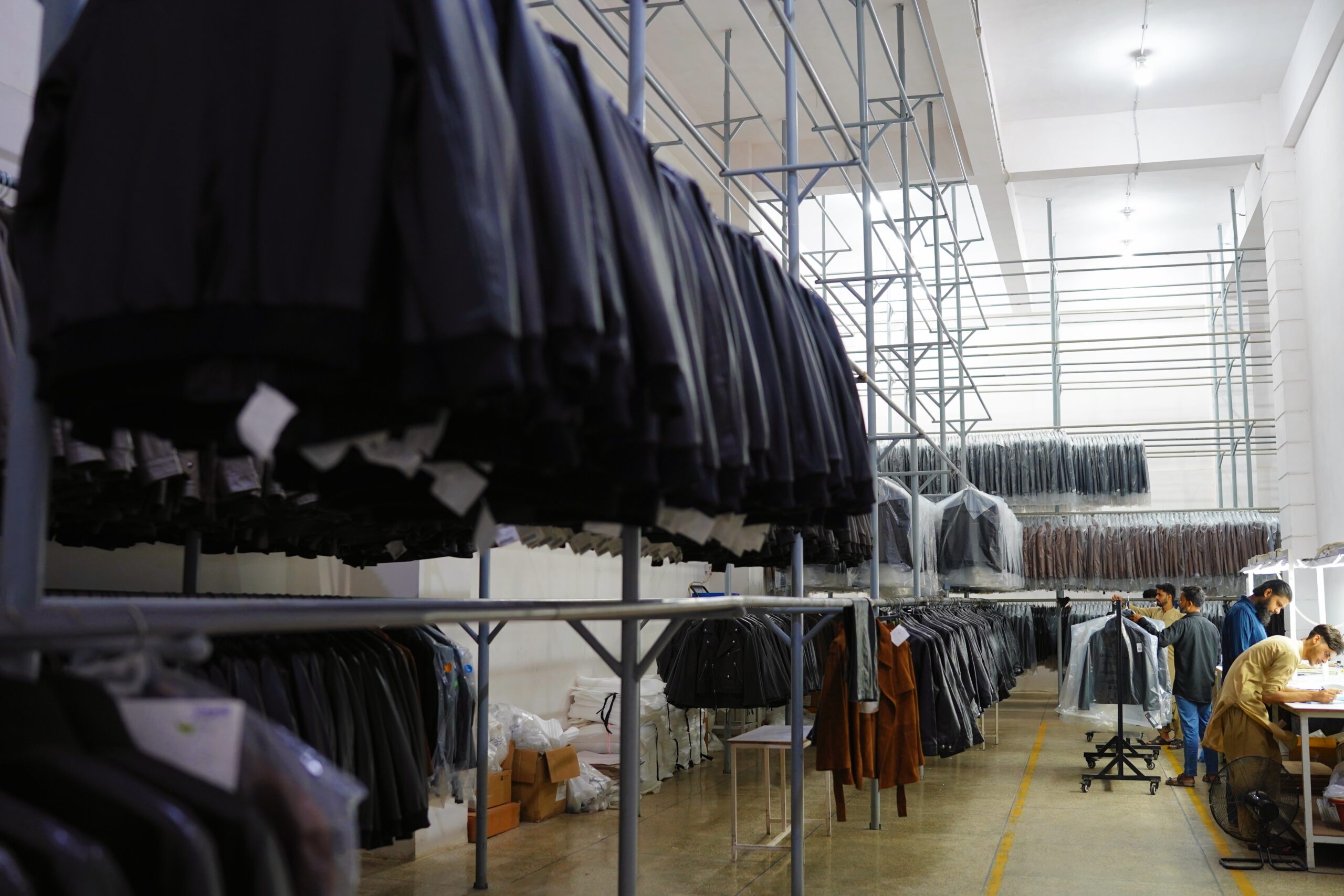
Pakistani leather manufacturers offer B2B buyers a combination of raw material access, skilled labor, vertical integration, and competitive pricing that makes them a practical sourcing option for black leather jackets. The country’s Sialkot and Kasur regions have supplied global fashion and workwear brands for decades, and established manufacturers can typically support MOQs, quality documentation, and custom specifications.
Black leather jacket sourcing at scale requires more than a competitive price quote. You need a manufacturer that can work to spec, deliver consistent quality across production runs, and communicate reliably through sampling, production, and shipping. That combination is harder to find than most buyers expect.
Pakistani leather manufacturers—particularly those based in Sialkot and Kasur—have built this kind of operational track record over several decades. They supply garments to buyers across Europe, North America, and the Middle East, working with everything from motorcycle-grade cowhide to fashion-forward lambskin. Understanding what they do well, where the risks sit, and how to evaluate individual suppliers can help you make a more grounded sourcing decision.
Why Pakistan’s Leather Industry Is Structured for Jacket Production
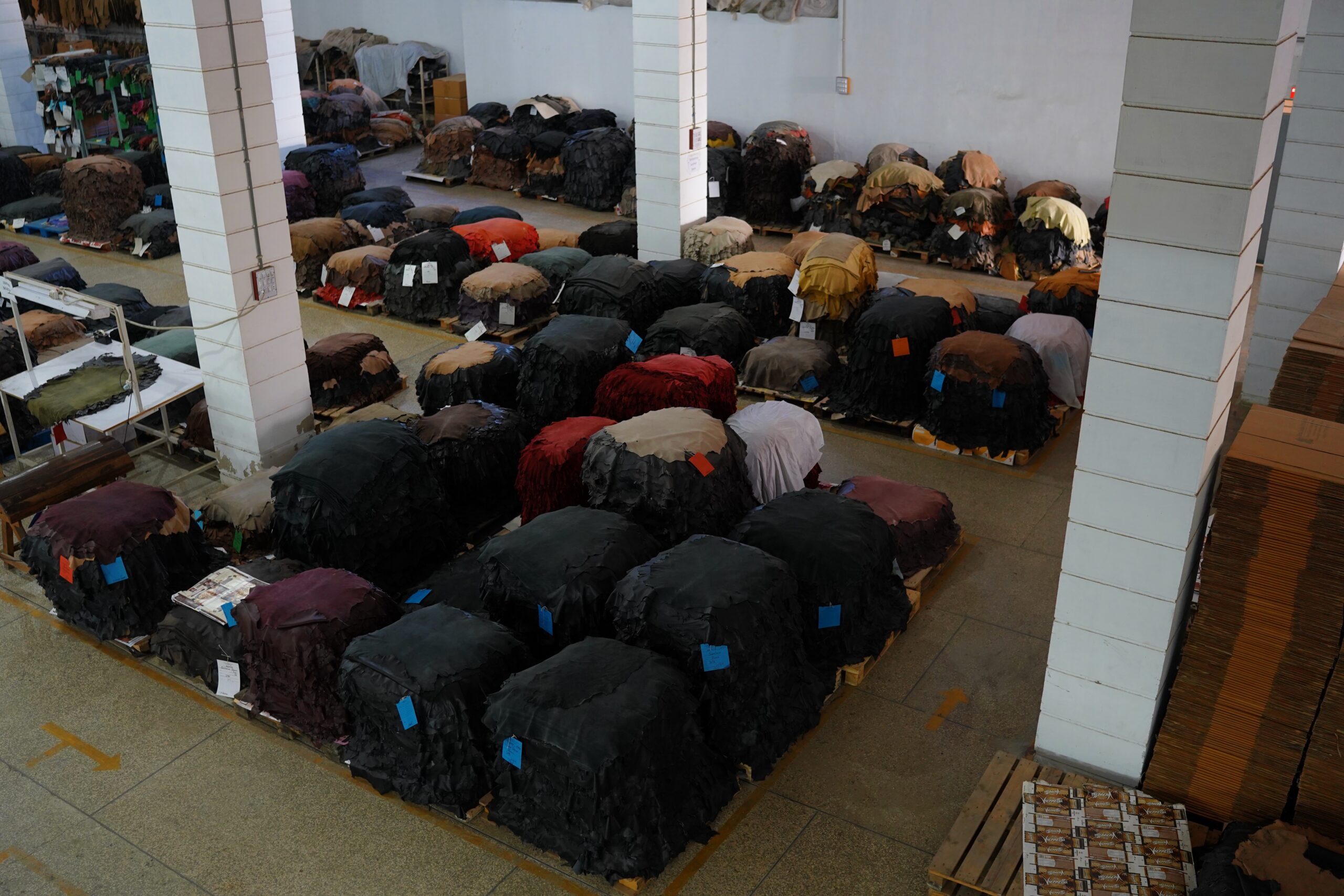
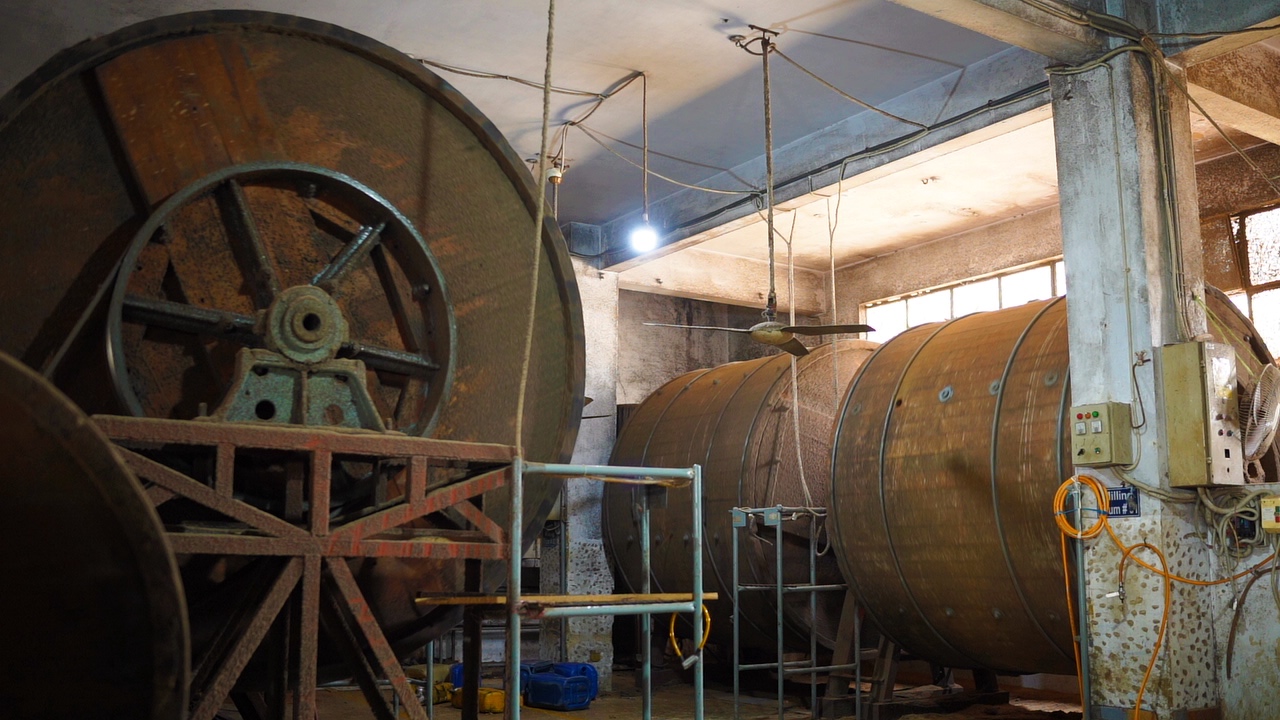
Pakistan ranks among the world’s top leather exporters, with the leather and leather goods sector contributing significantly to the country’s export revenue. The country’s tanneries—concentrated in Kasur and Karachi—process large volumes of bovine and ovine hides, supplying finished leather directly to garment manufacturers.
This vertical proximity matters. When the tannery and the garment factory operate within the same supply chain ecosystem, lead times for material procurement are shorter, and the manufacturer has more direct control over leather selection. For black leather jackets specifically, consistent dye penetration and surface finish are critical quality factors. Manufacturers working with regional tanneries can often specify these parameters more precisely than those purchasing finished leather through intermediaries.
Sialkot, in particular, has a concentrated cluster of leather garment producers with established export infrastructure. Many of these businesses have worked with international brands long enough to understand buyer expectations around labeling, packaging, documentation, and compliance requirements.
What Pakistani Manufacturers Can Typically Support
Most established Pakistani leather jacket manufacturers can support the following:
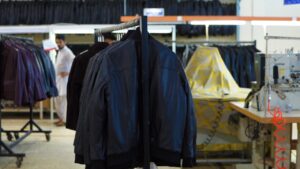
- Custom pattern and grading: Factories with export experience generally maintain in-house pattern-making capability and can grade across standard or custom size runs
- Material selection: Buyers can typically specify leather type (cowhide, lambskin, goatskin), weight, finish (matte, semi-gloss, pull-up), and hardware finish
- Black dyeing specifications: Tannery-level relationships allow some manufacturers to source leather dyed to a specific black standard, which helps reduce batch variation
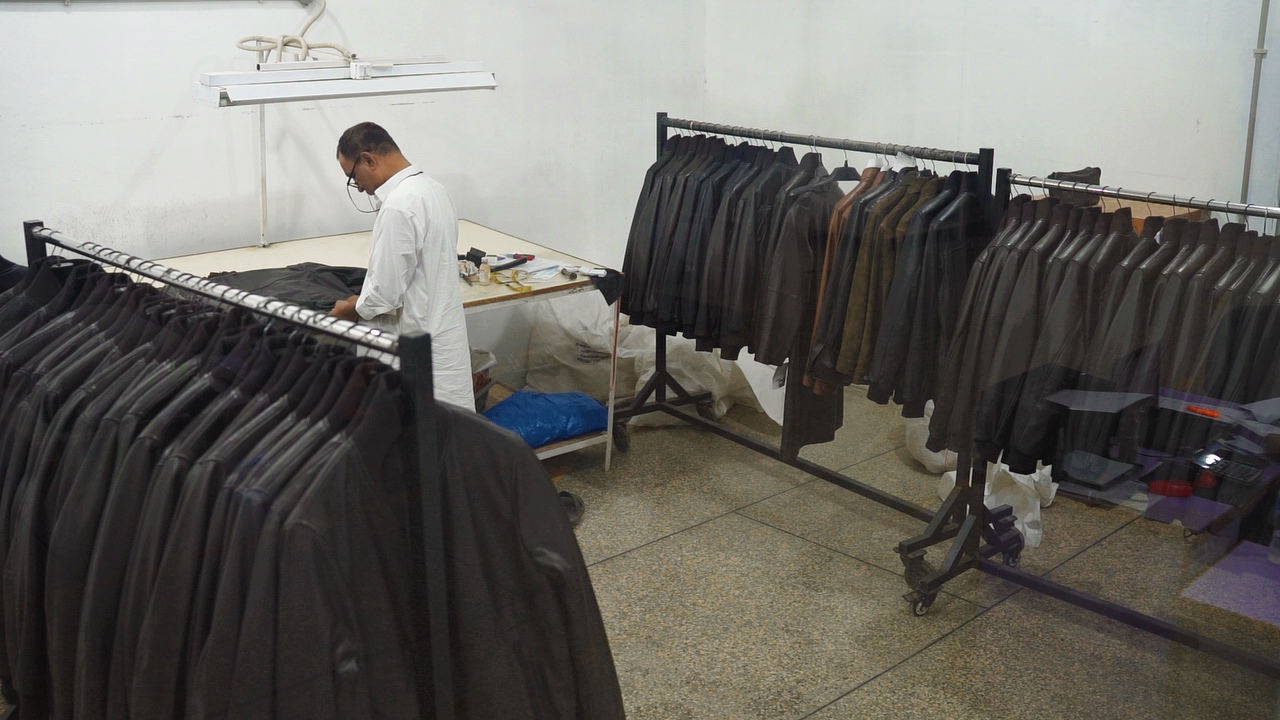
- Sample development: Most export-oriented factories offer pre-production samples and production confirmation samples before full runs begin
- Certifications and documentation: Established manufacturers can provide test reports, packing lists, certificates of origin, and in some cases third-party quality audits
That said, capability levels vary significantly between factories. A manufacturer producing for a volume retailer operates differently from one supplying a small fashion label. Before placing an order, confirm that the factory’s current production mix and client base aligns with what your product requires.
Where Quality Risks Are Most Likely to Appear
Pakistani leather jacket manufacturing is not without risk. Identifying where quality issues typically emerge helps you build the right controls into your sourcing process.
Leather batch consistency is one of the more common issues. Natural leather has inherent variation, and without clear incoming material inspection protocols, color and texture can shift between production runs—or even within a single order. Ask the manufacturer how incoming leather is inspected and what their rejection criteria are.
Stitching standards vary by factory tier. High-stress seams on leather jackets—shoulders, sleeve attachment points, zipper channels—require specific stitch density and thread specification to hold under wear. Review stitching specifications in your tech pack carefully and request a stress test on pre-production samples.
Hardware quality is frequently underspecified. Zippers, snaps, and D-rings that are not rated for outerwear use will fail under regular wear. Specify your hardware brands or grades in writing, and confirm sourcing before production starts.
Communication gaps can compound all of the above. Many quality problems traced back to Pakistani production runs are actually rooted in incomplete specifications, unclear change requests, or approval processes that moved too quickly. A manufacturer with a dedicated export coordinator or account manager helps reduce the frequency of these breakdowns.
How to Evaluate a Pakistani Leather Jacket Manufacturer Before Committing
A site visit or verified third-party audit is the most reliable evaluation method, but it is not always feasible at the early sourcing stage. In its absence, the following steps can help you assess a factory more rigorously:
- Request a factory profile that includes current client categories, annual production volume, and equipment list. This gives you a basic picture of whether the factory’s scale and capabilities match your requirements.
- Review existing samples from current or recent production, not purpose-built showroom samples. Production samples reflect actual factory output more accurately.
- Ask for references from current buyers in your product category. A manufacturer supplying similar black leather jackets to verified buyers in your target market is a more reliable indicator than certifications alone.
- Define your quality standard in writing before requesting a price. A tech pack with material specifications, construction details, hardware requirements, and finish standards gives the factory the information it needs to quote accurately—and gives you a basis for inspection.
- Clarify the sampling process and timeline before you commit. Know how many sample rounds are included, what the approval criteria are, and who signs off on production authorization.
Pricing and Minimum Order Quantities: What to Expect
Pakistani manufacturers are generally cost-competitive with comparable production in Turkey, India, and China, though pricing varies based on leather type, construction complexity, hardware, and order volume.
Black leather jackets in lambskin or garment-grade cowhide from established Pakistani exporters typically fall within a range that allows for healthy margin at mid-tier wholesale pricing. Minimum order quantities vary: some factories work from 300–500 units per style, while larger facilities may require higher volumes to commit production capacity.
If your order volume is below a factory’s standard MOQ, consider whether a sourcing agent or trading company with existing factory relationships can aggregate your volume. This can reduce your MOQ exposure, though it adds an intermediary layer that requires its own due diligence.
Is Sourcing from Pakistan the Right Decision for Your Business?
Pakistan is a well-supported sourcing destination for black leather jackets when your requirements align with what the manufacturing ecosystem does reliably: volume production, established leather types, standard hardware, and documented export compliance.
It may require more active management if you are working with unconventional materials, highly technical construction, or very short production windows. In those cases, the investment in proper specification, pre-production sampling, and third-party inspection can support a better outcome—but that investment is worth building into your sourcing plan from the start.
Take the Next Step With Clarity
If you are evaluating Pakistani manufacturers for black leather jacket production, start by defining your specification clearly enough that any factory can quote from the same document. That discipline benefits your decision-making at every stage—from supplier comparison to final inspection.
Once your tech pack is in place, identify two or three factories whose capabilities and client history align with your product tier. Request samples from production-equivalent materials, not showroom stock. And build your inspection criteria before the order is placed, not after.
If you want to discuss your specific sourcing requirements or review your current supplier shortlist, share the details of your project and what the product needs to accomplish. That is a more productive starting point than a general inquiry.
Frequently Asked Questions
What types of leather are Pakistani manufacturers best equipped to work with for black jackets?
Pakistani manufacturers have the strongest track record with bovine hides (cowhide and buffalo) and ovine hides (lambskin and sheepskin). These materials are processed domestically in significant volume, which means manufacturers have reliable access and tannery-level relationships. Exotic or specialty leathers may require imported material, which can affect lead times and cost.
What is a realistic minimum order quantity for black leather jackets from Pakistan?
Most export-oriented Pakistani leather jacket factories work with MOQs in the range of 300–500 units per style. Some smaller manufacturers may accept lower volumes, though this can affect pricing and production priority. If your volume is below standard MOQs, a sourcing agent with existing factory relationships may be able to help.
How do I verify that a Pakistani leather manufacturer meets international quality standards?
Request documentation of any relevant certifications (such as WRAP or ISO 9001), third-party audit reports, and test results for materials and finished products. For buyers with strict compliance requirements, commissioning an independent factory audit through a firm like Bureau Veritas, SGS, or Intertek provides a more reliable verification than documentation alone.
How long does sampling and production typically take with Pakistani leather jacket manufacturers?
Sample development typically takes two to four weeks per round, depending on the factory’s current workload and the complexity of the style. Production timelines vary by order size, but a run of 500–1,000 units generally requires six to ten weeks after sample approval. Build buffer time into your planning, particularly for first orders where the approval process may require more rounds.
What documentation should I expect from a Pakistani manufacturer for import compliance?
Standard export documentation includes a commercial invoice, packing list, certificate of origin, and bill of lading. Depending on your destination market, you may also require a phytosanitary certificate, test reports for restricted substances, or country-specific compliance documentation. Confirm requirements with your customs broker before placing the order, and verify that your chosen manufacturer can supply the specific documents you need.