Black leather jackets have remained one of the most recognizable and versatile pieces of outerwear for decades. From classic motorcycle designs and military-inspired bomber jackets to modern luxury fashion pieces, the black leather jacket continues to appeal to consumers, retailers, fashion brands, and wholesalers across international markets.
However, choosing the right black leather jacket involves much more than simply selecting an attractive design. Leather type, grain quality, construction, stitching, fit, hardware, finishing, manufacturing standards, and maintenance can all affect the jacket’s appearance, comfort, durability, and value.
For B2B buyers, additional factors such as manufacturer reliability, minimum order quantities, private-label capabilities, quality control, sustainability, and production capacity also become important.
This pillar guide provides an overview of everything buyers and fashion businesses should understand about black leather jackets, from popular styles and leather materials to buying, care, styling, wholesale sourcing, and manufacturing.
What Are the Most Popular Black Leather Jacket Styles?
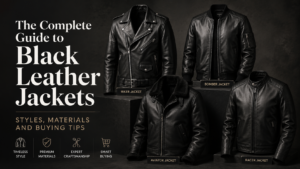
Black leather jackets are available in many different silhouettes, but several styles have remained especially popular.
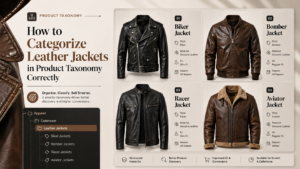
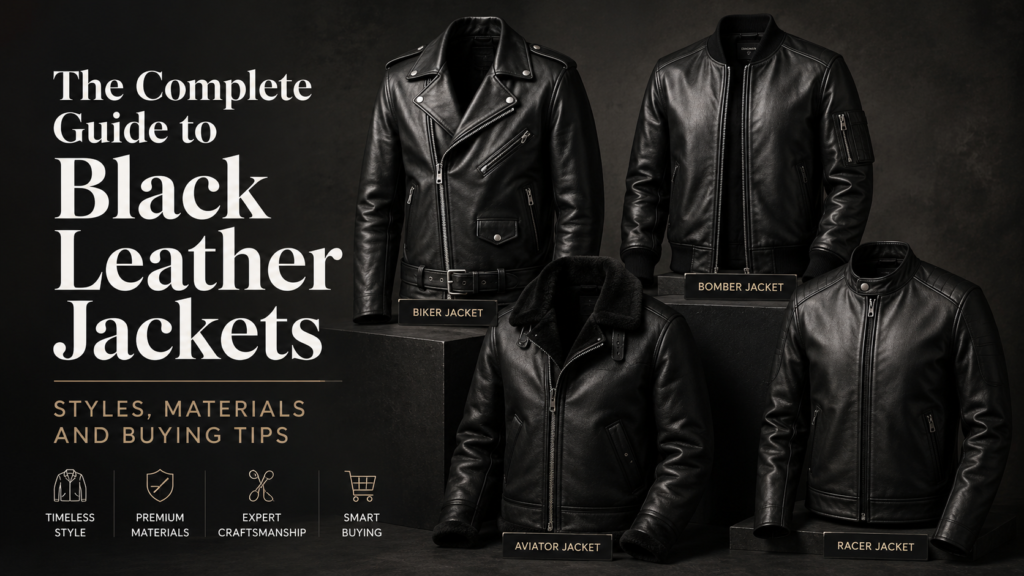
The most recognizable include biker jackets, bomber jackets, aviator jackets, racer jackets, motorcycle-inspired jackets, trucker jackets, leather blazers, and modern oversized designs.
Biker jackets generally feature prominent zippers and hardware, while bomber jackets have a more relaxed silhouette with ribbed cuffs and waistbands. Aviator jackets often include warm collars or heavier linings for colder conditions.
Racer jackets offer a cleaner and more minimal appearance, making them suitable for customers who prefer understated styling.
For retailers and fashion brands, choosing the right combination of styles depends on their target market, seasonal collection, customer preferences, and desired price positioning.
3. Black Leather Bomber Jacket: Features, Benefits and Styling Ideas
The black leather bomber jacket combines the traditional shape of a military flight jacket with the premium look and feel of leather.
Typical features include a front zipper, ribbed cuffs, ribbed waistband, side pockets, and a comfortable fit.
One of the biggest advantages of the bomber jacket is versatility. It can be worn casually with jeans, trousers, T-shirts, knitwear, and trainers.
Leather bomber jackets can also be manufactured using different materials. Cowhide creates a more structured and rugged jacket, while lambskin or sheepskin offers greater softness and flexibility.
For fashion brands, bomber jackets are valuable because they can be adapted to classic, luxury, streetwear, vintage, or contemporary collections.
Black Leather Biker Jacket: A Complete Buyer’s Guide
The black leather biker jacket is one of the most iconic leather jacket designs.
Traditional biker jackets often feature an asymmetric zipper, wide lapels, zippered pockets, metal snaps, shoulder detailing, and an adjustable waist belt.
When buying a biker jacket, leather quality should be evaluated alongside the construction. Cowhide provides greater structure and durability, while lambskin creates a softer and more fashion-oriented jacket.
Zippers should feel strong and smooth because they are used frequently. Stitching around the shoulders, armholes, pockets, and waist should also be checked carefully.
Buyers should consider whether they need a fashion biker jacket or a technical motorcycle garment, as protective riding jackets require different construction and safety considerations.
Black Leather Aviator Jacket: History, Features and Modern Uses
Aviator jackets developed from military flight clothing originally designed to protect pilots from cold temperatures.
Traditional versions were made from durable leather and often included warm shearling linings or collars.
Modern black leather aviator jackets maintain many of these recognizable elements while adapting them for everyday fashion.
Typical features include large collars, substantial zippers, adjustable straps, warm lining, and a slightly relaxed silhouette.
Today, aviator jackets are particularly suitable for autumn and winter collections. They can be paired with denim, boots, knitwear, or casual trousers.
For retailers selling into colder European markets, the aviator jacket can provide both visual appeal and practical seasonal functionality.
6. Classic vs Modern Black Leather Jackets: What Is the Difference?
Classic black leather jackets are usually based on traditional biker, bomber, motorcycle, or aviator designs.
They tend to use recognizable silhouettes, conventional hardware, neutral linings, and relatively timeless construction.
Modern leather jackets may experiment with oversized fits, cropped lengths, minimalist details, unusual zipper placements, quilting, mixed materials, matte finishes, embroidery, or contemporary pattern shapes.
Neither approach is automatically better.
Classic jackets can appeal to customers looking for timeless products, while modern designs may be better suited to trend-conscious fashion audiences.
Retailers should consider their target customers carefully when deciding whether a collection should focus on heritage-inspired designs, modern styling, or a combination of both.
7. Men’s vs Women’s Black Leather Jackets: Key Design Differences
Men’s and women’s black leather jackets can use similar styles, but their patterns are usually developed differently.
Men’s jackets generally have broader shoulders, straighter body proportions, longer sleeves, and additional room through the chest.
Women’s jackets may include more waist shaping, adjusted bust measurements, narrower shoulder proportions, and different jacket lengths.
Modern fashion also includes many unisex and oversized designs, reducing some traditional distinctions.
However, B2B buyers should still pay careful attention to sizing specifications.
Simply scaling one pattern larger or smaller does not always produce a good fit.
Brands targeting multiple markets should develop measurement charts that reflect their intended customer base.
Leather and Quality
8. Which Leather Is Best for a Black Leather Jacket?
There is no single leather that is best for every jacket.
The correct material depends on the intended design, price level, comfort requirements, durability expectations, and customer preferences.
Cowhide is strong and structured, making it suitable for biker and motorcycle-inspired jackets.
Lambskin is lighter, softer, and more luxurious, making it popular for premium fashion jackets.
Sheepskin offers flexibility and comfort, while goatskin provides an attractive balance between strength and softness.
Full-grain and top-grain leathers are generally preferred for higher-quality products.
Buyers should therefore choose leather based on the jacket’s intended purpose rather than assuming that one hide type is universally superior.
9. Cowhide vs Sheepskin Black Leather Jackets: Which Is Better?
Cowhide and sheepskin produce very different types of leather jackets.
Cowhide is generally heavier, stronger, and more structured. It works well for rugged biker jackets, motorcycle-inspired garments, heavy bombers, and designs that require greater durability.
Sheepskin is usually softer, lighter, and more flexible.
It can provide a comfortable fit and smoother drape, making it suitable for fashion jackets and everyday outerwear.
The better choice depends on the customer.
Buyers wanting a substantial, durable jacket may prefer cowhide, while those prioritizing comfort and softness may choose sheepskin.
For brands, selecting the correct material also affects product cost, positioning, shipping weight, and customer expectations.
10. How to Identify a High-Quality Black Leather Jacket
A high-quality black leather jacket should be assessed as a complete garment.
Begin with the leather. It should feel appropriate for the claimed material and should not appear excessively plastic unless the finish intentionally creates that effect.
Check stitching for straight, consistent seams without loose threads.
Inspect zippers, buttons, buckles, and snaps to make sure they feel strong and operate smoothly.
The lining should sit neatly inside the jacket without pulling or twisting.
Look closely at collar construction, cuffs, pockets, armholes, and zipper ends because these areas often reveal manufacturing quality.
Fit and symmetry are equally important.
Premium leather cannot compensate for poor pattern construction or unreliable hardware.
11. Genuine Leather vs Faux Leather Black Jackets
Genuine leather comes from animal hide, while faux leather is usually manufactured from synthetic materials designed to imitate leather.
Real leather generally provides a more natural texture and may develop character with age. Depending on quality and care, it can also offer excellent long-term durability.
Faux leather can be more affordable and may provide greater consistency in surface appearance.
However, lower-quality synthetic leather can crack, peel, or deteriorate over time.
Consumers should understand that the term “genuine leather” does not necessarily indicate the highest grade of leather.
When comparing products, buyers should evaluate material quality, construction, intended use, expected lifespan, and price rather than relying only on labels.
12. Why Full-Grain Leather Is Ideal for Premium Black Leather Jackets
Full-grain leather retains most of the natural grain surface of the hide.
Because the strongest upper layer remains largely intact, full-grain leather is known for durability and natural character.
The surface may contain subtle scars, grain variations, and other natural markings.
Instead of being defects, these characteristics can contribute to the individuality of premium leather products.
With suitable care, full-grain leather can also develop an attractive patina over time.
For luxury brands and premium leather collections, these characteristics make full-grain leather particularly desirable.
However, it usually requires better hide selection and careful manufacturing, which may result in higher production costs than more heavily corrected leather.
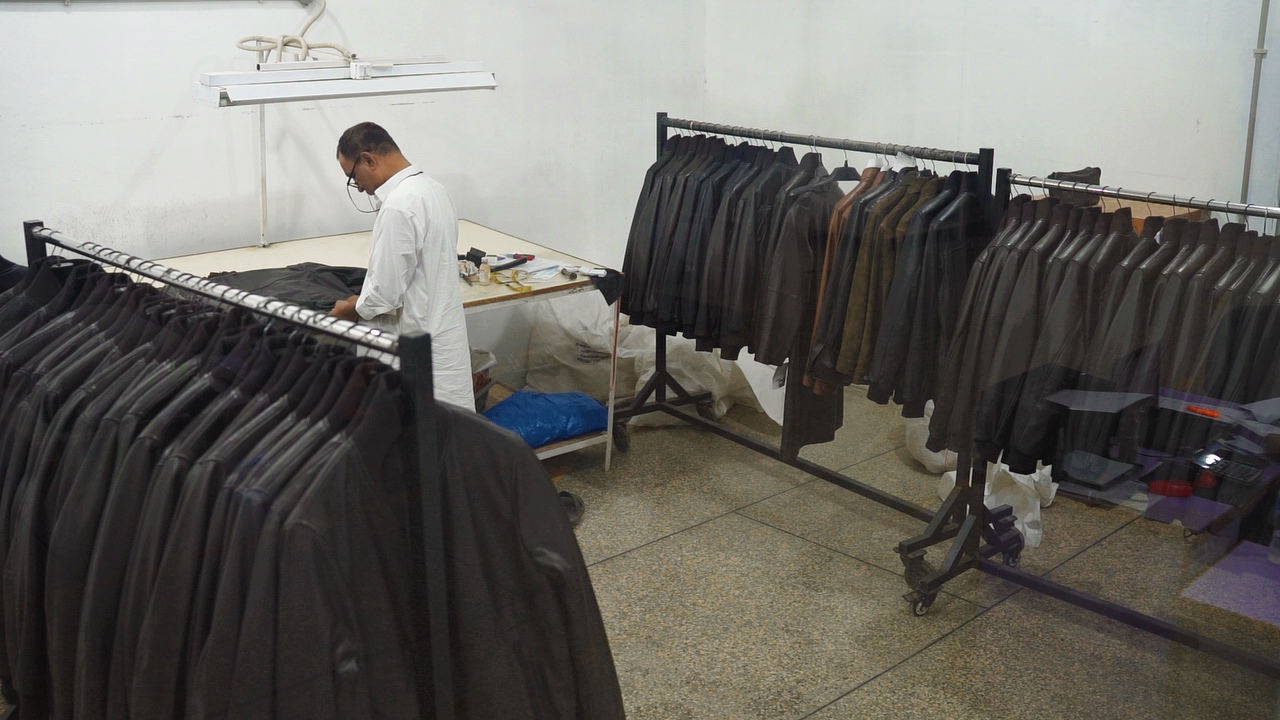
13. How Black Leather Jackets Are Manufactured
Leather jacket manufacturing involves several stages.
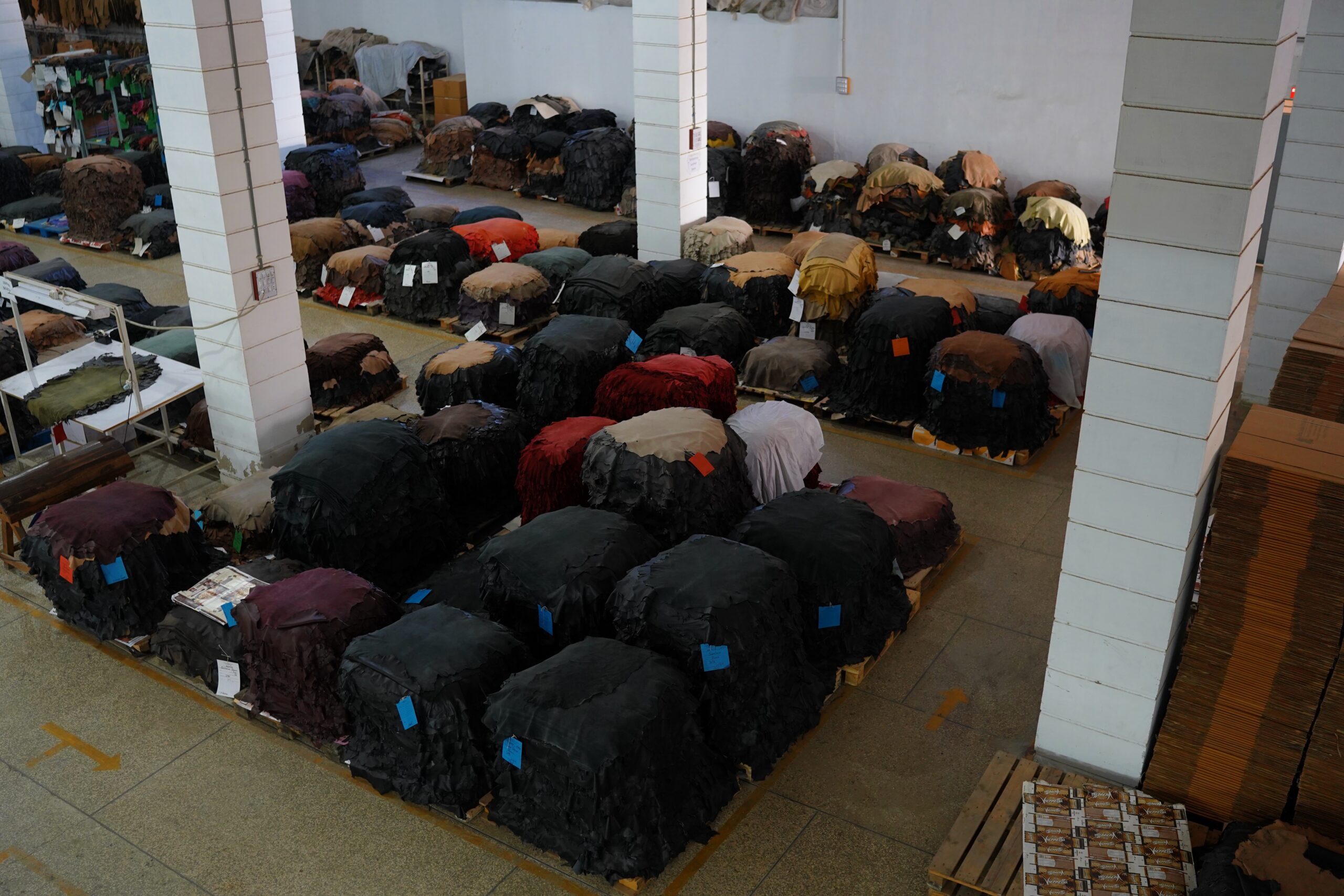
The process usually begins with leather selection according to hide type, thickness, finish, colour, and quality requirements.
Patterns are then developed for the body, sleeves, collar, pockets, and other components.
Leather panels must be carefully inspected before cutting because natural marks and grain variation affect placement.
After cutting, panels are stitched together and components such as zippers, buttons, pockets, labels, and lining are added.
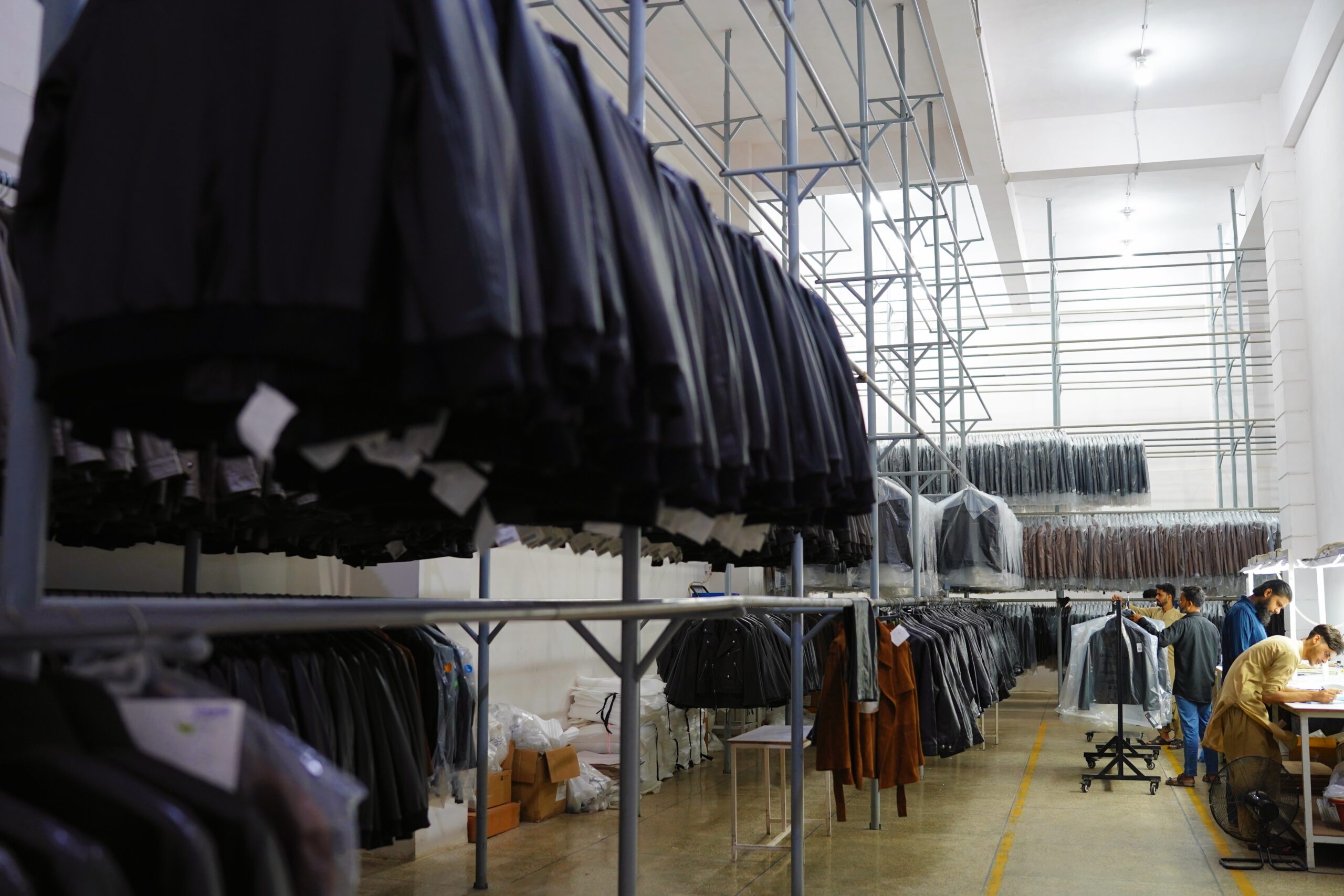
The jacket then goes through finishing and quality-control stages.
Measurements, stitching, hardware, leather appearance, and overall construction may be inspected before packaging.
For private-label production, sampling normally takes place before bulk manufacturing begins.
Buying Guides
14. How to Choose the Perfect Black Leather Jacket
Choosing the perfect black leather jacket starts with understanding how the jacket will be used.
Customers looking for everyday casual clothing may prefer a bomber or racer jacket. Those wanting a stronger fashion statement may choose a biker jacket, while colder-weather customers may prefer an aviator style.
Leather type should also be considered.
Cowhide provides strength, while lambskin offers greater softness.
Fit is equally important. The shoulders should sit correctly, sleeves should reach an appropriate length, and the chest should allow comfortable movement.
Finally, buyers should evaluate stitching, lining, zippers, hardware, and overall finishing.
The best jacket balances appearance, comfort, durability, fit, and value.
15. What to Look for When Buying a Black Leather Jacket Online
Buying a black leather jacket online requires additional attention because customers cannot inspect the garment physically.
Start by checking the exact leather type rather than relying only on terms such as “real leather.”
Review the product’s measurement chart carefully because sizing can vary significantly between brands.
Good listings should include photographs showing the front, back, sides, pockets, collar, hardware, lining, and leather texture.
Read product descriptions for information about lining, closures, fit, and care requirements.
Customers should also check the seller’s return or exchange policy.
For expensive leather products, reliable product specifications and clear photography are especially important.
16. How Should a Black Leather Jacket Fit?
The ideal fit depends on the jacket style, but several basic principles apply.
Shoulder seams should generally sit close to the natural edge of the shoulders.
The jacket should close comfortably without excessive pulling across the chest or waist.
Sleeves normally finish around the wrist, although motorcycle jackets may use slightly longer sleeves.
Biker and racer jackets often have a closer fit, while bomber and aviator jackets may provide additional room.
Customers should also consider what they will wear underneath.
Someone planning to layer thick knitwear will usually need more space than someone wearing the jacket mainly over T-shirts.
Comfortable movement should remain possible even with a fitted silhouette.
17. Are Black Leather Jackets Worth the Investment?
A well-manufactured black leather jacket can provide strong long-term value.
Quality leather can remain usable for many years when stored and maintained correctly.
Classic jacket designs also tend to remain fashionable longer than many short-lived trends.
This means customers may be able to wear the same jacket across multiple seasons.
However, expensive does not automatically mean high quality.
Buyers should evaluate the leather grade, stitching, hardware, lining, fit, and manufacturer reputation.
For retailers and brands, high-quality leather jackets can also support premium pricing and strengthen a fashion collection’s perceived value.
The investment makes the most sense when material quality and construction justify the price.
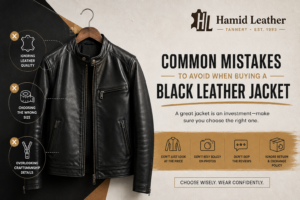
18. Common Mistakes to Avoid When Buying a Black Leather Jacket
One common mistake is choosing a jacket only because it is cheap.
Leather quality, hardware, stitching, and lining can vary significantly between products.
Another mistake is purchasing the wrong size.
Customers should check actual measurements rather than relying only on small, medium, or large labels.
Buyers should also avoid assuming that all genuine leather is equal.
Leather type, grade, thickness, and finishing all affect performance.
Selecting the wrong jacket style is another potential problem.
A lightweight fashion jacket does not provide the same characteristics as a heavy motorcycle jacket.
Understanding the intended use before purchasing can prevent expensive disappointment.
19. How Much Should a Quality Black Leather Jacket Cost?
The price of a quality black leather jacket depends on multiple factors.
Leather type and grade are major contributors, but jacket construction, lining, hardware, design complexity, labour, brand positioning, country of manufacture, and retail margins also influence price.
Lambskin and high-quality full-grain leather may increase costs compared with lower-grade materials.
Detailed biker jackets with numerous zippers and panels can also require more labour than simple designs.
Consumers should therefore avoid judging quality based solely on price.
Wholesale buyers should compare supplier quotations using detailed specifications so that leather quality, hardware, lining, packaging, customization, and order quantities are considered consistently.
Care and Maintenance
20. How to Clean a Black Leather Jacket Safely
Regular light cleaning can help maintain a black leather jacket.
Dust and minor surface dirt can usually be removed with a soft, clean cloth.
Avoid soaking leather in water or using aggressive household detergents, bleach, or strong cleaning chemicals.
If a cleaning product is required, choose one designed specifically for the relevant type of leather and test it first on an inconspicuous area.
Different finishes may react differently to cleaning products.
For difficult stains, valuable garments, or delicate leather such as lambskin, professional leather cleaning may be safer.
Proper cleaning helps preserve the leather finish without removing oils or causing unnecessary discolouration.
21. How to Condition and Protect a Black Leather Jacket
Leather can gradually lose moisture and natural oils, particularly when frequently exposed to dry conditions.
A suitable leather conditioner can help maintain flexibility and reduce excessive drying.
However, conditioning should not be overdone.
Too much product can darken leather or alter its finish.
Always use products suitable for the specific leather and test them in a hidden area.
Protective products may also help reduce moisture exposure, but they should never be applied without checking manufacturer recommendations.
Regular inspection is useful.
If leather begins feeling unusually dry or stiff, appropriate conditioning may help maintain its appearance and flexibility.
22. How to Store a Black Leather Jacket Properly
Proper storage helps maintain jacket shape and leather condition.
Use a wide, supportive hanger that can hold the shoulders correctly.
Thin wire hangers may create unwanted pressure points.
Store the jacket somewhere cool, dry, and well ventilated.
Avoid placing it in direct sunlight for extended periods because light can contribute to fading.
Leather should not be permanently stored inside sealed plastic bags because trapped moisture may create problems.
A breathable garment cover is usually preferable.
Avoid folding leather jackets for long periods because permanent creases may develop.
Before long-term storage, make sure the jacket is clean and completely dry.
23. How to Restore a Faded Black Leather Jacket
Black leather can gradually lose colour because of sunlight, wear, friction, improper cleaning, or age.
Minor fading may sometimes be improved using suitable black leather conditioning or recolouring products.
However, the correct treatment depends on the leather finish.
Applying the wrong dye or polish can create uneven colour or damage the surface.
Before attempting restoration, clean the jacket appropriately and test any product on a hidden area.
Severely faded, expensive, vintage, or delicate jackets may benefit from professional leather restoration.
Preventing future fading through proper storage and avoiding prolonged sunlight exposure can help maintain the restored appearance.
24. Can You Wear a Black Leather Jacket in the Rain?
A black leather jacket can usually tolerate limited exposure to light rain, but leather should not be treated as completely waterproof.
Prolonged moisture can cause staining, stiffness, colour changes, or drying once the garment dries.
If a jacket becomes wet, gently remove excess surface moisture and allow it to dry naturally at room temperature.
Avoid hair dryers, radiators, or direct heaters.
Once completely dry, suitable conditioning may be needed if the leather feels dry.
Some leather finishes are more resistant to moisture than others.
Customers who regularly encounter wet weather should consider appropriate protective products and follow the jacket manufacturer’s care instructions.
25. How Long Does a Genuine Black Leather Jacket Last?
The lifespan of a genuine black leather jacket depends heavily on leather quality, construction, frequency of use, storage, and maintenance.
A well-made jacket produced from quality leather can potentially remain wearable for many years.
Full-grain and high-quality top-grain leather can be particularly durable.
However, leather quality alone is not enough.
Weak stitching, poor-quality zippers, damaged lining, or improper storage can reduce the jacket’s usable life.
Regular cleaning, suitable conditioning, proper hanging, and avoiding prolonged moisture or heat can help preserve the garment.
Many components such as zippers and linings can also be repaired, extending the jacket’s life further.
Fashion and Styling
26. How to Style a Black Leather Jacket for Different Occasions
Black leather jackets can work across several dress codes depending on the style.
For casual wear, combine a bomber, biker, or racer jacket with jeans, a T-shirt, and trainers.
For a smart-casual outfit, a clean leather racer or blazer can be worn with a shirt, knitwear, tailored trousers, and simple footwear.
Biker jackets work especially well for streetwear and evening looks.
Aviator jackets are suited to colder casual outfits and can be layered over sweaters.
The key is balancing the jacket with the rest of the outfit.
Highly detailed leather jackets usually work best when other clothing remains relatively simple.
27. What to Wear with a Black Leather Jacket
Black is extremely versatile, making black leather jackets easy to combine with different colours and materials.
White, grey, black, navy, beige, denim, and earthy tones all work well.
For a classic combination, pair a black leather jacket with blue or black jeans and a simple T-shirt.
Sweaters and hoodies can create more relaxed autumn or winter outfits.
For smarter styling, combine a minimalist leather jacket with tailored trousers, a button-up shirt, or lightweight knitwear.
Footwear can range from trainers and casual shoes to leather boots.
The jacket style should guide the rest of the outfit.
28. Can You Wear a Black Leather Jacket in Every Season?
Black leather jackets can be worn during several seasons, but the appropriate design depends on temperature and climate.
Lightweight lambskin or sheepskin jackets are useful during spring and cooler summer evenings.
Traditional biker, racer, and bomber jackets are well suited to autumn.
Heavier aviator jackets or insulated leather outerwear can work during winter.
Hot summer weather may make most leather jackets uncomfortable because genuine leather provides more insulation than lightweight fabrics.
For brands selling across different countries, leather thickness and lining should be adapted to the market’s climate.
Seasonal versatility is one reason manufacturers produce similar designs in different leather weights.
29. Black Leather Jacket Outfit Ideas for Men
Men can style black leather jackets in numerous ways.
A black biker jacket with a white T-shirt, dark jeans, and boots creates a classic casual combination.
A leather bomber can be paired with chinos, trainers, and knitwear for a more relaxed appearance.
For minimal styling, a racer jacket works well with monochrome clothing.
During colder weather, aviator jackets can be combined with sweaters, denim, or heavier trousers.
Men looking for a smarter appearance can choose a simple leather jacket without excessive hardware and combine it with tailored trousers or a collared shirt.
Fit remains important regardless of the chosen outfit.
30. Black Leather Jacket Outfit Ideas for Women
Women’s black leather jackets can be styled with jeans, trousers, skirts, dresses, knitwear, and casual footwear.
A fitted biker jacket can add structure to a simple dress or casual denim outfit.
Oversized leather jackets work particularly well with relaxed streetwear.
A cropped leather jacket can create different proportions when paired with high-waisted trousers or skirts.
Minimal leather blazers can be used in smarter or evening outfits.
Footwear choices can range from trainers and boots to heels depending on the occasion.
Because black is neutral, accessories and clothing colours can be adjusted easily without competing with the jacket.
B2B and Manufacturing
31. How to Choose a Reliable Black Leather Jacket Manufacturer
Choosing a manufacturer requires more than comparing prices.
Buyers should evaluate leather expertise, product quality, sampling capabilities, manufacturing capacity, communication, customization options, quality-control procedures, and export experience.
Ask manufacturers what leather types and finishes they regularly work with.
Request samples before placing significant orders.
Businesses should also discuss lead times, minimum order quantities, packaging, private-label requirements, and payment terms clearly.
Reliable manufacturers should be able to explain their production process and provide realistic information about materials and timelines.
For businesses exploring B2B leather manufacturing, Hamid Leather Ltd provides information about its leather manufacturing capabilities and product categories.
32. Why European Brands Source Black Leather Jackets from Pakistan
Pakistan has an established leather industry supported by access to hides, tanning facilities, skilled workers, garment manufacturing knowledge, and export experience.
European fashion businesses may source leather jackets from Pakistan because manufacturers can offer custom production across different leather types, designs, specifications, and order quantities.
Cost competitiveness can also play a role.
However, sourcing decisions should not be based on price alone.
European brands should evaluate product quality, manufacturing consistency, chemical management, certifications where required, delivery reliability, communication, and compliance expectations.
Working with an experienced exporter can help simplify product development, production documentation, quality control, and international shipping.
33. Private-Label Black Leather Jacket Manufacturing Explained
Private-label manufacturing allows fashion businesses to sell leather jackets under their own brand.
The manufacturer produces garments according to the customer’s specifications while incorporating brand elements such as labels, hangtags, packaging, custom linings, and hardware.
Brands can also develop their own patterns, colours, finishes, and style details.
The process commonly begins with design specifications or a technical pack.
A prototype or sample is then developed and reviewed.
Revisions may be made until the final sample is approved.
Bulk production begins only after important details are confirmed.
Private-label manufacturing gives fashion brands greater control over product identity than simply purchasing generic wholesale garments.
34. What Fashion Brands Should Know Before Ordering Leather Jackets in Bulk
Before ordering leather jackets in bulk, brands should finalize product specifications.
Important details include leather type, leather grade, thickness, colour, finish, lining, hardware, measurements, labels, packaging, and quantities.
Samples should be approved before production begins.
Brands should also confirm acceptable measurement tolerances and quality standards.
Production lead times need to be understood, particularly when products are intended for a specific retail season.
Shipping time and customs requirements must also be considered.
Bulk orders involve significantly greater financial risk than samples, so clear documentation is essential.
A detailed purchase order and approved specifications can help reduce misunderstandings between buyer and manufacturer.
35. Custom Black Leather Jackets: Design and Manufacturing Process
Custom black leather jacket production usually begins with a concept, reference garment, sketch, or technical drawing.
The manufacturer and buyer then determine appropriate leather, thickness, lining, hardware, fit, construction, and finishing details.
Patterns are developed and a sample is produced.
The sample allows the brand to evaluate proportions, fit, leather behaviour, zipper positioning, pockets, and other design details.
Changes may be requested before final approval.
Once the design is confirmed, leather is sourced or allocated for production.
Cutting, stitching, lining, hardware installation, finishing, quality control, and packaging follow.
Successful custom manufacturing depends on accurate specifications and strong communication between the brand and factory.
36. How to Evaluate a Wholesale Black Leather Jacket Supplier
A wholesale supplier should be evaluated using more than product photographs and prices.
Ask about the actual leather being used.
Check sample quality and compare it against quoted specifications.
Evaluate stitching, hardware, lining, fit, colour consistency, and finishing.
Businesses should also research the supplier’s production capacity, export experience, communication reliability, quality-control procedures, and ability to meet deadlines.
If private labeling is required, confirm whether the supplier can provide custom labels, packaging, hardware, and sizing.
Payment terms and shipping responsibilities should also be clearly defined.
A reliable supplier should be transparent about its capabilities instead of making unrealistic promises.
37. Minimum Order Quantities for Custom Black Leather Jacket Production
Minimum order quantity, commonly abbreviated as MOQ, refers to the smallest quantity a manufacturer is willing to produce for a particular order or design.
MOQs can vary depending on the manufacturer, leather availability, colour, hardware requirements, customization, and production process.
Highly customized jackets may require larger quantities because the manufacturer must source specialized leather, labels, linings, zippers, or packaging.
Smaller brands should discuss MOQs early in the development process.
Some manufacturers may allow smaller trial orders at different pricing.
Buyers should also ask whether the MOQ applies per style, colour, size range, or entire order because these requirements can differ significantly.
38. Quality-Control Standards for Black Leather Jacket Manufacturing
Quality control is particularly important in leather manufacturing because natural hides can vary in grain, colour, thickness, and surface appearance.
Inspection can begin before cutting when hides are checked for defects and consistency.
During manufacturing, factories may inspect stitching, measurements, seam construction, hardware installation, lining, pockets, and labels.
Finished jackets should be checked against approved samples and measurement specifications.
Zippers, buttons, and snaps should function correctly.
Colour and leather appearance should also be reasonably consistent across an order.
For B2B buyers, establishing clear quality expectations before production helps reduce disputes and improves the chances of receiving consistent bulk merchandise.
39. Sustainable Black Leather Jacket Manufacturing for Fashion Brands
Sustainability has become increasingly important for fashion brands and consumers.
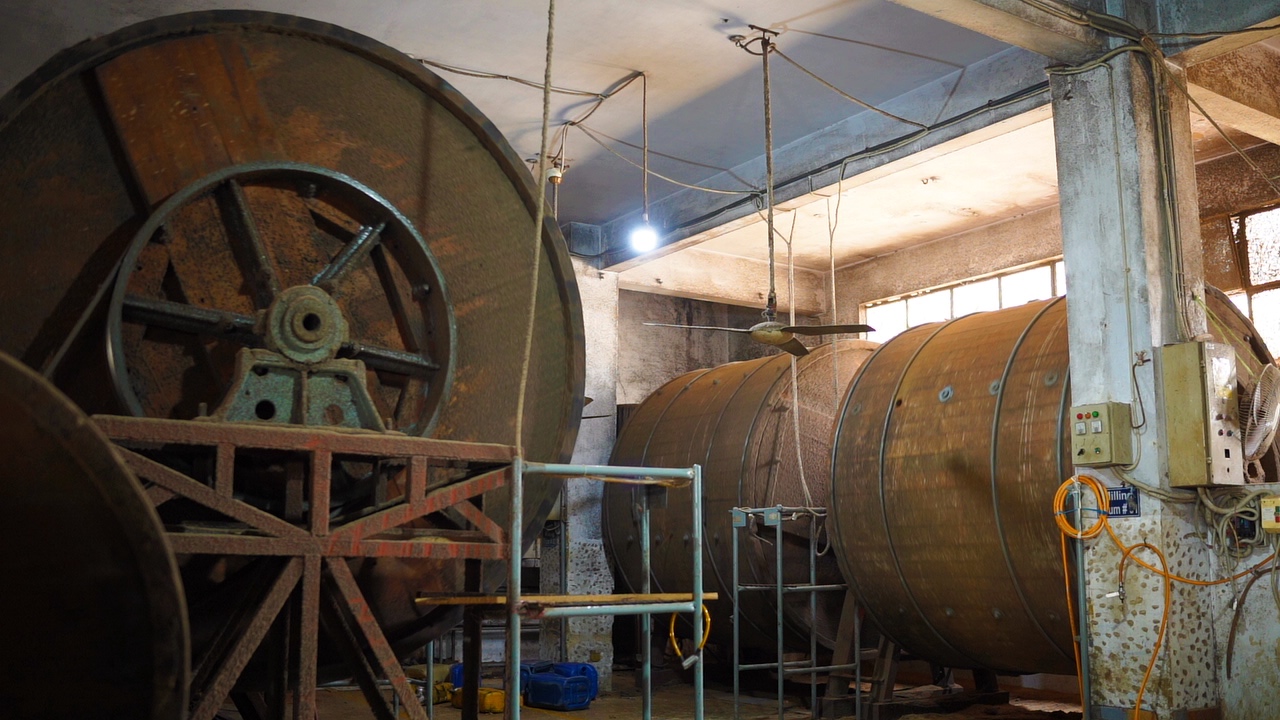
Leather manufacturing can involve significant water, energy, chemical, and waste-management considerations.
Brands should therefore ask suppliers about tannery practices, wastewater management, chemical controls, energy use, waste reduction, material traceability, and recognized environmental certifications where relevant.
Durability also matters.
A well-constructed leather jacket designed for long-term use may remain wearable for many years, reducing replacement frequency.
However, companies should avoid vague environmental claims.
Any sustainability statement used in marketing should be supported by reliable information, documentation, or certification.
Responsible sourcing requires transparency throughout the supply chain.
40. Why Pakistan Is a Competitive Source for Black Leather Jackets
Pakistan is a significant leather-producing country with experience across tanning, leather garments, gloves, footwear, bags, and accessories.
Its manufacturing sector benefits from skilled labour, established tannery operations, access to raw materials, and decades of export experience.
For international brands, Pakistan can offer opportunities for custom leather jacket manufacturing, private-label production, and competitive B2B sourcing.
Manufacturers may work with cowhide, sheepskin, goatskin, and other leather types depending on product requirements.
However, buyers should still conduct proper supplier evaluation.
Product quality, compliance, sustainability, communication, production capacity, quality control, and delivery reliability should be considered alongside cost.
For European fashion businesses, the strongest sourcing relationships are usually built through clear specifications, approved samples, reliable quality standards, and long-term cooperation.
Final Thoughts
Black leather jackets remain one of the most important and versatile categories within leather fashion.
Their lasting popularity comes from the wide range of available designs, from biker and bomber jackets to aviator, racer, oversized, and tailored styles.
However, style is only one part of the buying decision.
Leather selection has a major influence on comfort, appearance, durability, and price. Cowhide offers strength and structure, lambskin provides lightweight softness, sheepskin delivers flexibility, and goatskin combines durability with distinctive natural grain.
Leather grade, tanning, finishing, stitching, lining, hardware, pattern development, and overall construction are equally important.
Consumers buying a black leather jacket should therefore consider how the jacket fits, what material it uses, how it was constructed, and whether it matches their intended use.
Proper cleaning, conditioning, storage, and protection can then help preserve the garment for years.
For fashion brands, wholesalers, retailers, and private-label businesses, sourcing requires even greater attention.
Manufacturer experience, sampling, minimum order quantities, custom development, production capacity, quality-control standards, sustainability, and communication should all be evaluated before placing significant orders.
Pakistan’s established leather manufacturing industry can provide international buyers with opportunities to develop custom black leather jackets across multiple styles and market segments.
Ultimately, the best black leather jacket is not simply the one that looks most attractive.
It is the jacket that combines appropriate leather, strong construction, reliable manufacturing, comfortable fit, thoughtful design, and long-term value.