Full-grain leather is widely regarded as one of the finest materials for producing premium black leather jackets. It retains the strongest and most natural part of the hide, offering excellent durability, distinctive grain and the ability to develop character over time.
Unlike heavily corrected leather, full-grain leather is not sanded extensively to remove natural surface features. Its pores, grain patterns and subtle variations remain visible, giving every jacket an authentic and individual appearance.
However, premium quality depends on more than the leather grade alone. Hide selection, tanning, dyeing, thickness, panel matching, stitching and finishing all influence the final result.
This guide explains why full-grain leather is ideal for premium black leather jackets and what consumers, fashion brands and wholesale buyers should consider before choosing it.
What Is Full-Grain Leather?
Full-grain leather is made from the uppermost section of an animal hide. This layer contains the natural grain and tightly connected fibres that provide strength and durability.
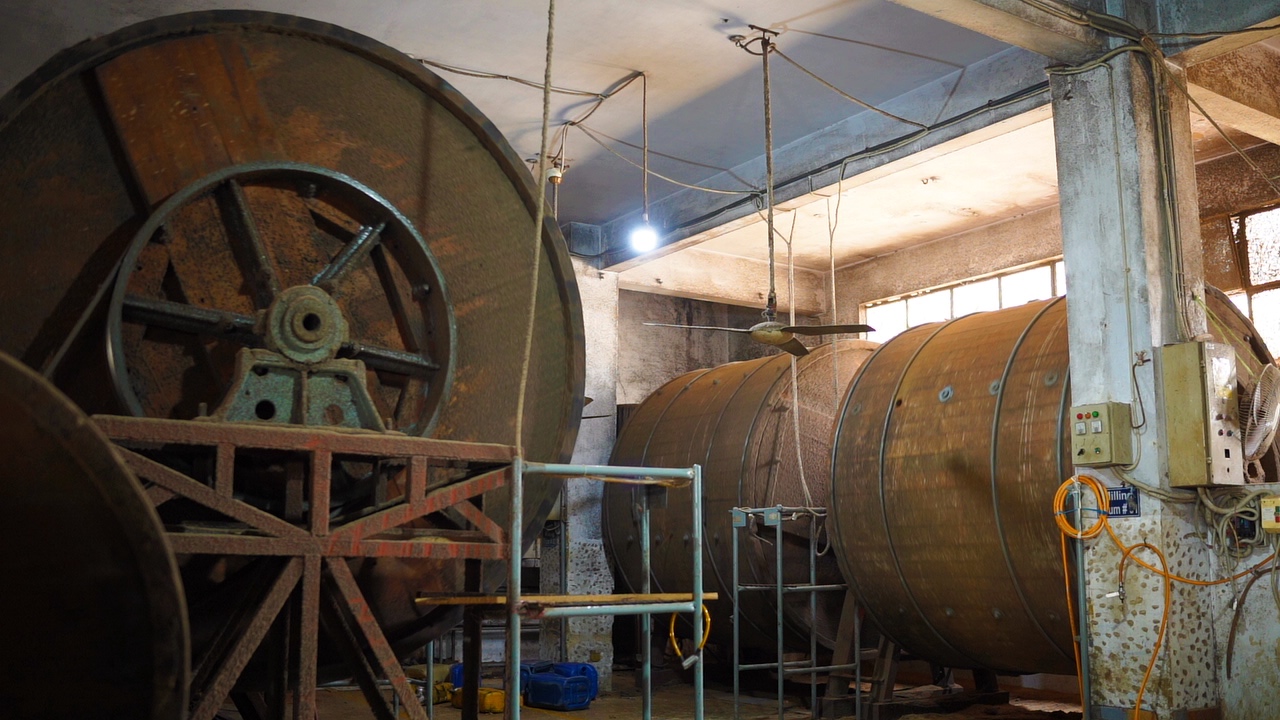
During production, the hide is cleaned, tanned and finished, but its natural surface is not heavily buffed or sanded.
Full-grain leather may show natural characteristics such as:
- Fine grain variations
- Pores
- Wrinkles
- Small healed marks
- Differences in texture
- Subtle tonal variation
These characteristics are not necessarily defects. When carefully selected and balanced across a jacket, they demonstrate the natural origin of the material.
Full-grain leather can receive different finishes, including aniline, semi-aniline, waxed, oiled or lightly pigmented treatments. The finish determines how much of the natural surface remains visible and how resistant the jacket is to moisture, stains and everyday wear.
Full-Grain Leather vs Other Leather Grades
Understanding how full-grain leather differs from other grades helps explain its premium position.
Full-Grain Leather
Full-grain leather retains the original grain surface. It usually provides excellent strength, natural character and long-term ageing potential.
Top-Grain Leather
Top-grain leather also comes from the upper section of the hide, but its surface may be lightly sanded or corrected to reduce visible imperfections. It provides a smoother and more consistent appearance.
Corrected-Grain Leather
Corrected-grain leather receives more extensive surface treatment. The natural grain may be buffed and replaced with an embossed pattern before pigments or coatings are applied.
Split Leather
Split leather comes from the lower layer of the hide. It is generally less dense and may receive a coating designed to imitate higher-quality grain leather.
Bonded Leather
Bonded leather is manufactured using leather fibres or scraps combined with binding materials. It does not offer the same structure, durability or ageing qualities as a complete full-grain hide.
Consumers should also understand the difference between natural leather and synthetic alternatives. This comparison of genuine leather vs faux leather black jackets explains how the materials differ in composition, comfort, care and durability.
Why Full-Grain Leather Is Considered Premium
Full-grain leather is considered premium because it preserves the most structurally valuable section of the hide.
Its dense fibre structure provides several advantages:
- Strong resistance to regular wear
- Excellent shape retention
- Natural surface character
- Better long-term ageing
- Greater refinishing potential
- A substantial and luxurious feel
- Individual grain patterns
- Strong premium-market appeal
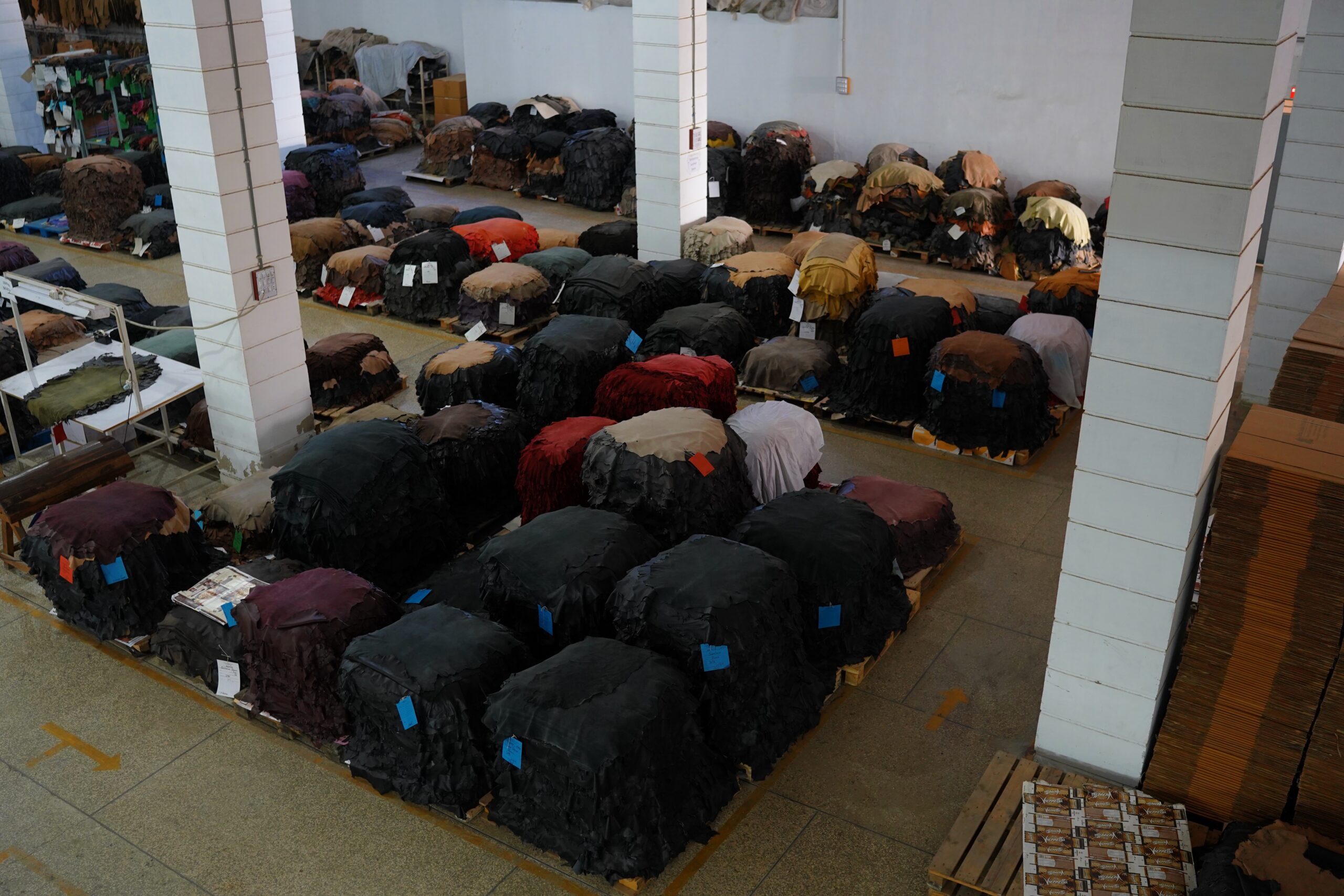
Producing consistent full-grain leather also requires careful hide selection. Because the surface is not heavily corrected, marks and irregularities cannot simply be concealed under thick coatings.
Manufacturers must select suitable hides and position jacket panels carefully. This process requires greater skill, time and material control, contributing to the higher cost of premium full-grain jackets.
Exceptional Durability
Durability is one of the main reasons full-grain leather is ideal for premium black leather jackets.
The outer grain layer contains tightly packed fibres that help the leather resist stretching, abrasion and everyday use. When the material is properly tanned and maintained, it can remain functional and attractive for many years.
Full-grain leather is particularly suitable for:
- Biker jackets
- Café racer jackets
- Bomber jackets
- Utility jackets
- Heritage outerwear
- Premium casual jackets
- Long-term wardrobe pieces
The jacket’s lifespan still depends on leather thickness, construction and care. Poor stitching or weak hardware can reduce the durability of a jacket even when excellent leather is used.
For that reason, full-grain leather should be combined with secure seams, reinforced stress points, dependable zips and a properly fitted lining.
Natural Grain and Individual Character
Every hide has its own grain pattern. Full-grain leather preserves this individuality instead of covering it with a completely artificial surface.
A premium black leather jacket may display:
- Subtle grain changes
- Fine wrinkles
- Natural pores
- Slight tonal depth
- Gentle variations in texture
- Unique ageing patterns
These characteristics create visual depth, particularly when the leather uses an aniline, semi-aniline, waxed or oiled finish.
Black leather is sometimes assumed to hide every natural feature, but the quality of the finish still matters. A carefully developed black shade can enhance the grain while maintaining a rich and sophisticated appearance.
Brands seeking a completely uniform surface may prefer corrected top-grain leather. Full-grain leather is better suited to collections where authenticity and natural character are important.
It Develops a Distinctive Patina
One of the most valued features of full-grain leather is its ability to develop a patina.
Patina refers to the gradual changes in colour, texture and gloss that occur as leather is worn and handled. It may appear around:
- Elbows
- Shoulders
- Cuffs
- Pocket openings
- Collar edges
- Front closures
- Seams
Rather than simply deteriorating, quality full-grain leather can become more visually interesting as it ages. The jacket begins to reflect the wearer’s movements, habits and environment.
Patina is especially attractive on waxed, oiled and lightly finished black leather. It may create subtle tonal differences and a softer surface without reducing the jacket’s premium appearance.
Patina should not be confused with peeling, cracking or coating separation. Those problems normally indicate surface damage, poor finishing or unsuitable care.
Strength Without Excessive Coating
Lower-grade leather may depend on heavy pigments and coatings to create a smooth appearance and hide surface imperfections.
Full-grain leather generally requires less correction because the natural grain remains intact. A lighter finish allows the material’s original texture to remain visible.
This can provide:
- A more natural touch
- Better visual depth
- Greater flexibility
- More attractive ageing
- Less plastic-like appearance
- Improved premium positioning
However, lightly finished leather may be more sensitive to stains, moisture and colour variation. The finish must therefore be selected according to the jacket’s intended use.
A fashion jacket designed for occasional luxury wear may use a delicate semi-aniline finish. A full-grain biker jacket may require additional protection against friction and weather.
Comfort Improves with Wear
Full-grain leather can feel firm when new, particularly when cowhide or buffalo leather is used. With regular wear, it usually becomes more flexible and adapts gradually to the wearer’s body.
Movement at the elbows, shoulders and back helps the jacket soften naturally.
This creates a personalised fit without removing the leather’s structure. A well-made full-grain jacket can become more comfortable while continuing to hold its shape.
The break-in experience depends on:
- Animal source
- Leather thickness
- Tanning method
- Finishing
- Jacket pattern
- Lining
- Frequency of wear
Lightweight full-grain sheepskin may feel soft immediately, while thicker cowhide may require a longer break-in period.
Premium leather should feel firm or supple according to its intended purpose, but it should never feel brittle, excessively dry or unnaturally rigid.
Breathability and Natural Comfort
Full-grain leather is generally more breathable than heavily coated leather and most synthetic alternatives.
Its natural fibre structure permits a limited exchange of air and moisture. This can improve comfort during extended wear and reduce the clammy sensation sometimes associated with synthetic jackets.
Breathability is also influenced by:
- Surface finish
- Leather thickness
- Lining material
- Jacket construction
- Ventilation details
- Climate
A thick pigmented coating may reduce the natural breathability of the leather. Similarly, a non-breathable polyester lining can affect comfort even when the outer leather is high quality.
For premium jackets, manufacturers should consider the complete material system rather than evaluating the outer leather alone.
Rich Black Colour and Visual Depth
Full-grain leather can produce an especially rich black appearance because the natural grain creates depth beneath the colour.
Different finishing methods can achieve:
- Deep matte black
- Smooth semi-matte black
- Polished black
- Waxed black
- Vintage black
- Distressed black
- Two-tone black
- Oiled black
The correct black finish depends on the jacket style.
A café racer may use a clean semi-matte surface, while a heritage jacket may benefit from waxed leather with tonal variation. A luxury blazer may require a softer grain and refined low-gloss appearance.
For bulk production, the black shade must be controlled carefully. Natural hides absorb dyes and finishes differently, so manufacturers must group compatible hides before cutting.
Excellent Shape Retention
Full-grain leather can provide strong shape retention, particularly when cowhide, buffalo or goatskin is used.
This makes it suitable for jacket designs containing:
- Structured collars
- Defined shoulders
- Large lapels
- Multiple pockets
- Heavy zips
- Belts
- Adjustable side tabs
- Reinforced panels
The leather supports these details without appearing weak or excessively stretched.
Thickness must still match the pattern. Extremely heavy leather can make a tailored jacket uncomfortable, while leather that is too thin may fail to support large hardware or structured components.
A premium manufacturer should select the weight and temper of the full-grain leather according to the intended silhouette.
Suitable Full-Grain Leathers for Black Jackets
Full-grain leather describes the surface grade, not the animal source. Several types of hide can be used.
Full-Grain Cowhide
Cowhide is strong, structured and durable. It works especially well for biker, café racer, bomber and utility jackets.
Full-Grain Goatskin
Goatskin offers excellent strength relative to its weight. Its distinctive grain and flexibility suit bombers, field jackets and premium casual styles.
Full-Grain Sheepskin
Sheepskin is softer, lighter and more flexible than cowhide. It is useful for fitted jackets, lightweight bombers and fashion-focused designs.
Full-Grain Lambskin
Lambskin provides a smooth, soft and luxurious feel. It is ideal for refined jackets but normally requires more careful handling.
Full-Grain Buffalo Leather
Buffalo leather often has a bold, pronounced grain and substantial feel. It works effectively for rugged, vintage and heritage-inspired outerwear.
Full-Grain Calfskin
Calfskin offers fine grain, flexibility and a sophisticated surface. It is frequently associated with premium and luxury leather products.
The appropriate choice depends on the required strength, weight, softness, texture and price.
Best Black Jacket Styles for Full-Grain Leather
Biker Jackets
Full-grain cowhide supports heavy hardware, asymmetric closures, lapels and reinforced construction. Its durability makes it appropriate for rugged designs.
Café Racer Jackets
The simple silhouette allows the natural grain and rich black finish to remain the main visual features.
Bomber Jackets
Cowhide, goatskin and sheepskin can all be used, depending on whether the design requires structure or lightweight comfort.
Aviator Jackets
Full-grain leather combined with shearling or a warm lining creates a premium winter jacket with strong heritage appeal.
Field and Utility Jackets
The leather’s strength supports multiple pockets, reinforced seams and functional details.
Leather Blazers
Lightweight full-grain lambskin, sheepskin or calfskin provides the softness and drape needed for refined tailoring.
Minimalist Jackets
Clean designs with limited decoration highlight the material’s grain, finish and craftsmanship.
Why Full-Grain Leather Costs More
Full-grain leather jackets are generally more expensive because producing them requires better raw materials and more careful manufacturing.
Cost factors include:
- Selection of cleaner hides
- Lower usable cutting yield
- Detailed hide grading
- Careful panel matching
- High-quality tanning
- Controlled dyeing and finishing
- Skilled cutting
- Precision stitching
- Premium hardware
- More demanding quality control
Natural marks must be positioned carefully. Some areas of a hide may be unsuitable for visible jacket panels, increasing material waste.
The higher price should reflect genuine improvements in material, construction and performance. The term “full-grain” alone should not be used to justify a premium price if the jacket has weak stitching, poor fit or unreliable hardware.
How to Identify Full-Grain Leather
Consumers may find it difficult to confirm full-grain leather from photographs alone.
Useful indicators include:
- Visible natural grain
- Subtle surface variation
- Clear material labelling
- A fibrous structure at visible edges
- A natural rather than plastic-like touch
- Detailed information from the seller
- A finish that does not appear excessively thick
However, none of these signs is completely conclusive by itself. Corrected leather can be embossed to look natural, and some full-grain leather can receive a pigmented finish that creates a more uniform appearance.
Wholesale buyers should request:
- Written leather specifications
- Labelled swatches
- Tannery information
- Thickness details
- Finish descriptions
- Relevant physical test reports
- A complete development sample
Clear documentation provides greater reliability than informal touch or smell tests.
Importance of Panel Matching
Natural variation makes panel matching especially important when working with full-grain leather.
The left and right sides of a jacket should appear balanced in:
- Black shade
- Grain size
- Texture
- Gloss
- Thickness
- Flexibility
Perfect uniformity is neither expected nor desirable, but the differences should look intentional.
Poor panel matching may cause one sleeve to appear smoother or darker than the other. It can also create inconsistent stretching and movement.
Skilled cutters examine each hide before positioning pattern pieces. Major visible panels are selected first, while less prominent sections may use areas with greater natural variation.
Quality-Control Requirements
Premium full-grain jackets require careful quality control throughout production.
Hide Inspection
Hides should be evaluated for grain, shade, thickness, defects and usable cutting area.
Shade Grouping
Compatible hides should be grouped before cutting to reduce noticeable colour differences across finished jackets.
Cutting Control
Visible panels must be positioned carefully and checked for grain direction and stretch.
Stitching Inspection
Seams should be straight, secure and free from unnecessary needle holes.
Hardware Testing
Zips, snaps and buckles should be tested before and after attachment.
In-Line Inspection
Partially assembled jackets should be reviewed before problems become difficult to correct.
Final Inspection
Finished jackets should be measured and checked for symmetry, workmanship, colour consistency and function.
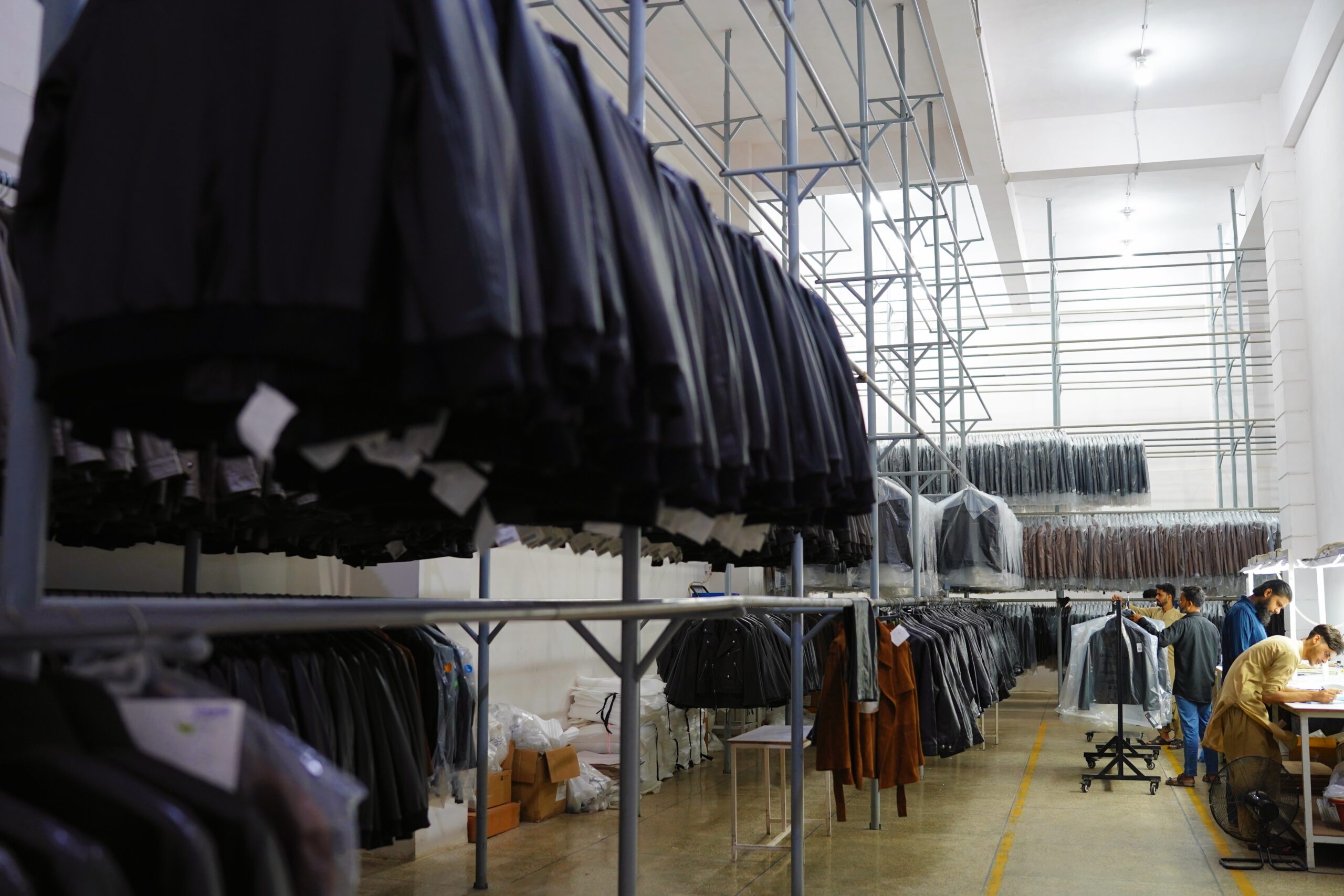
For custom leather-jacket development and bulk manufacturing, Hamid Leather Ltd produces leather garments for international brands, wholesalers and retailers.
What B2B Buyers Should Specify
Fashion brands should avoid placing orders using only a broad description such as “premium full-grain black leather.”
A more complete specification should include:
- Animal source
- Leather grade
- Thickness range
- Tanning method
- Surface finish
- Black colour reference
- Gloss level
- Grain appearance
- Softness or temper
- Stretch tolerance
- Colourfastness
- Flex resistance
- Finish adhesion
- Lining composition
- Hardware finish
- Stitch density
- Measurement tolerances
A physical leather swatch should be approved before sample development. Buyers should then evaluate a complete jacket because a swatch cannot demonstrate drape, weight, fit or panel matching.
A pre-production sample should also be approved before bulk manufacturing begins.
Full-Grain Leather Is Not Automatically Perfect
Full-grain leather offers significant advantages, but it is not automatically the best choice for every product.
It may be unsuitable when:
- Complete surface uniformity is essential
- The target retail price is very low
- The jacket is designed for short-term fashion use
- The customer wants an extremely lightweight material
- The product requires minimal maintenance
- Natural grain variation is considered undesirable
Some customers may prefer high-quality top-grain leather because it provides a more consistent surface while retaining good strength and comfort.
The best material is the one that matches the jacket’s design, customer expectations and market position.
Common Misconceptions About Full-Grain Leather
Full-Grain Leather Is Always Thick
Full-grain leather can be produced in different thicknesses. The term describes the retained grain surface, not the final weight.
Every Natural Mark Is Desirable
Small variations may add character, but severe scars, holes or poorly positioned marks can reduce quality.
Full-Grain Leather Requires No Finish
Full-grain leather may receive protective oils, waxes, dyes or light pigments. The key distinction is that the natural grain has not been heavily removed.
Full-Grain Leather Never Cracks
Any leather can crack if it becomes excessively dry, is exposed to heat or receives unsuitable care.
Full-Grain Leather Is Completely Waterproof
Leather may resist light moisture depending on its finish, but it is not automatically waterproof.
The Strongest Leather Makes the Best Jacket
The leather must suit the pattern. Extremely firm or heavy leather may be unsuitable for a fitted or lightweight design.
Caring for a Full-Grain Black Leather Jacket
Appropriate care helps preserve the colour, flexibility and structure of full-grain leather.
Recommended practices include:
- Store the jacket on a wide, supportive hanger
- Keep it in a cool, ventilated space
- Avoid long-term plastic storage
- Protect it from prolonged sunlight
- Keep it away from radiators and direct heat
- Remove dust with a soft cloth
- Allow wet leather to dry naturally
- Use products designed for the specific leather finish
- Test cleaning products on a hidden area
- Condition only when the leather needs it
- Repair damaged stitching promptly
- Use professional leather cleaning for serious stains
Overconditioning can make leather overly soft, dark or greasy. Products should be used sparingly and according to the manufacturer’s care guidance.
Aniline and semi-aniline finishes may require more delicate treatment than heavily protected pigmented leather.
Frequently Asked Questions
Is full-grain leather the highest-quality leather?
Full-grain leather is generally regarded as the highest leather grade because it retains the natural outer grain and dense fibre structure. Final jacket quality still depends on tanning, finishing and construction.
Is full-grain leather good for black leather jackets?
Yes. It offers excellent durability, natural grain, rich colour and attractive ageing, making it ideal for premium black leather jackets.
Does full-grain black leather develop a patina?
Yes. Depending on the finish, it may develop subtle changes in texture, gloss and tone as it is worn.
Is full-grain leather always cowhide?
No. Full-grain leather can come from cow, sheep, lamb, goat, buffalo, calf and other animal hides.
Is full-grain leather better than top-grain leather?
Full-grain leather is generally stronger and more natural, while top-grain leather may offer greater visual consistency and softness. The better choice depends on the jacket design.
Does full-grain leather scratch easily?
Lightly finished full-grain leather may show scratches more readily. Some marks can blend into the developing patina or be reduced with suitable care.
Can full-grain leather peel?
The natural grain does not normally peel like synthetic leather. However, an unsuitable or poorly bonded surface coating may crack or separate.
Is full-grain leather waterproof?
No. Some finishes provide water resistance, but full-grain leather should not be treated as completely waterproof.
How long does a full-grain leather jacket last?
A well-made and properly maintained jacket can last for many years. Its lifespan depends on the leather, construction, use, climate and care.
Why is full-grain leather expensive?
It requires better hide selection, careful cutting, skilled panel matching and controlled tanning and finishing. Its long-term performance also supports premium pricing.
Is full-grain leather suitable for luxury jackets?
Yes. Fine full-grain lambskin, calfskin and sheepskin can provide the softness and refined appearance associated with luxury garments.
Is full-grain leather suitable for biker jackets?
Yes. Full-grain cowhide and buffalo leather are particularly suitable for structured, durable biker jackets.
How can wholesale buyers verify full-grain leather?
They should request written specifications, labelled swatches, finish information, test reports and a complete pre-production sample.
Does full-grain leather need conditioning?
It may require occasional conditioning, but the frequency depends on the leather type, finish and environment. Overconditioning should be avoided.
Are natural marks defects?
Minor pores, wrinkles and healed marks may be normal. Severe or poorly positioned marks can still be considered defects according to the approved quality standard.
Final Thoughts
Full-grain leather is ideal for premium black leather jackets because it combines strength, natural character and long-term ageing potential.
By retaining the hide’s original grain surface, it provides a dense fibre structure that can withstand regular use while developing greater flexibility and personality over time. Its natural pores, texture and subtle variations also give each jacket an individual appearance.
Full-grain cowhide works particularly well for structured biker, café racer and utility jackets. Goatskin provides strength with lower weight, while full-grain sheepskin, lambskin and calfskin are effective for softer and more refined designs.
The material alone does not guarantee a premium jacket. Accurate cutting, careful panel matching, secure stitching, reliable hardware, a suitable lining and consistent quality control remain essential.
For consumers, full-grain leather offers strong long-term value when the jacket is worn regularly and cared for properly. For fashion brands and wholesale buyers, it provides an opportunity to create premium products with authentic material character and a clear quality position.
Ultimately, the best full-grain black leather jacket is one in which the leather grade, animal source, thickness, finish and construction all support the intended design and customer expectations.