A black leather biker jacket is more than a piece of protective outerwear. It is a timeless fashion icon associated with confidence, independence and effortless style. Originally designed for motorcyclists, the jacket has moved far beyond the world of motorcycles and become an essential item in modern wardrobes.
Its lasting popularity comes from a powerful combination of function and appearance. Genuine leather offers durability and protection, while the black colour works naturally with almost every wardrobe. Details such as metal zips, wide lapels, reinforced panels and fitted silhouettes give the jacket its distinctive character.
However, not every black leather biker jacket offers the same quality, comfort or value. Jackets can differ significantly in leather type, thickness, construction, hardware, fit, lining and intended use. A jacket designed mainly for fashion may look similar to specialist motorcycle gear, but it may not provide the same protection on the road.
This complete buyer’s guide explains everything you should know before purchasing a black leather biker jacket. It covers its history, defining features, leather options, fits, styling ideas, quality indicators and care requirements. It also provides practical guidance for fashion brands, wholesalers and retailers interested in sourcing custom leather biker jackets.
What Is a Black Leather Biker Jacket?
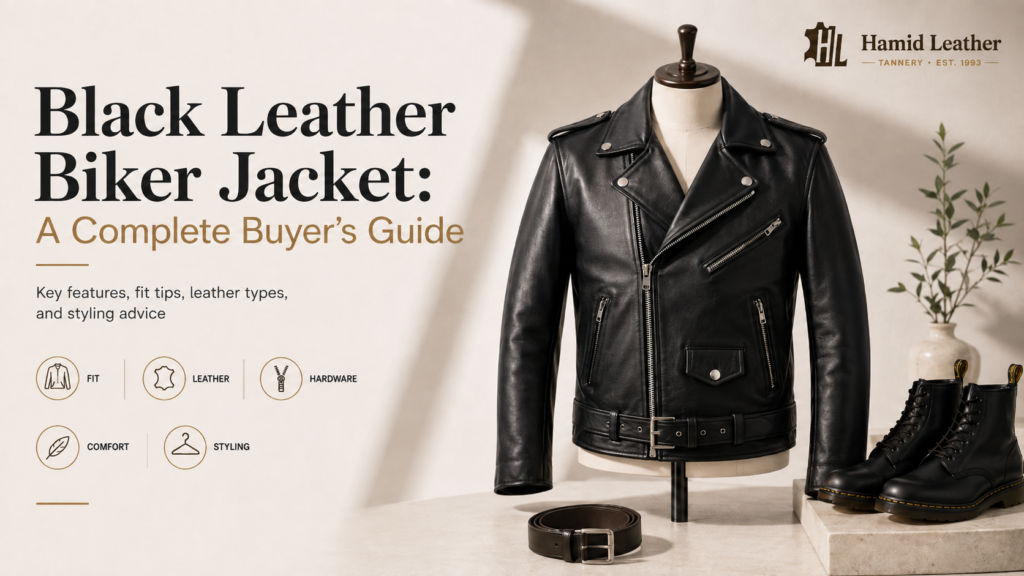
A black leather biker jacket is a short leather jacket inspired by protective clothing worn by motorcycle riders. It is normally made from durable leather and includes a front zip, fitted sleeves, functional pockets and metal hardware.
The most recognisable version is the asymmetrical biker jacket, sometimes called a double-rider jacket. Its diagonal front zip creates overlapping leather panels across the chest. This design originally helped reduce wind penetration while riding a motorcycle.
Traditional versions also feature wide lapels, snap fasteners, zipped cuffs and an adjustable waist belt. Some include shoulder epaulettes, coin pockets and additional reinforcement around areas that may experience greater wear.
Not all biker jackets follow the same design. Café racer jackets, for example, normally have a straight central zip, a clean stand collar and minimal decoration. Contemporary fashion jackets may preserve only a few biker-inspired elements, such as silver hardware or zipped sleeves.
The black leather biker jacket is now worn by both men and women. It can be styled with casual, smart-casual and even certain semi-formal outfits. The right version depends on whether the buyer wants genuine riding protection, everyday durability or a fashionable appearance.
The History of the Leather Biker Jacket
The development of the leather biker jacket is closely connected to the growing popularity of motorcycles in the early twentieth century. Riders required outerwear that could protect them from cold air, dirt and minor road debris while allowing enough movement to control a motorcycle.
Leather was an appropriate material because of its strength, wind resistance and ability to withstand regular use. Early motorcycle jackets were primarily functional, but manufacturers gradually developed more specialised designs for riders.
The asymmetrical zip became one of the jacket’s most important features. When closed, the overlapping front provided an additional barrier against wind. The diagonal closure also prevented the zip from sitting directly over the centre of the chest.
As motorcycles became associated with freedom and rebellion, the leather jacket gained a powerful cultural identity. Actors, musicians and members of different youth movements adopted the style. It appeared in films, on music stages and throughout street fashion.
During later decades, designers reinterpreted the biker jacket with slimmer fits, softer leather, unusual colours and decorative details. Luxury fashion houses introduced refined versions, while streetwear brands experimented with oversized shapes and custom graphics.
Despite these changes, black remains the most recognisable colour. It highlights the jacket’s bold structure, works well with metal hardware and is easy to combine with other clothing. The black leather biker jacket has therefore remained relevant even as fashion trends have changed.
Why Are Black Leather Biker Jackets So Popular?
Few jackets have maintained their appeal as successfully as the black leather biker jacket. Its popularity is supported by several practical and stylistic advantages.
First, it has a distinctive appearance. The strong lines, visible zips and structured silhouette can add character to even a simple outfit. A plain T-shirt and jeans immediately look more considered when combined with a well-fitting biker jacket.
Second, black is extremely versatile. It pairs naturally with white, grey, beige, blue denim, olive, burgundy and almost any other colour. Buyers do not need to create an entirely new wardrobe to wear it successfully.
Third, quality leather can remain wearable for many years. Instead of losing its appeal after one season, genuine leather often develops additional character through creasing and natural ageing.
The jacket also represents confidence and individuality. Although it has become widely accepted in mainstream fashion, it still carries connections to motorcycle culture, rock music and independent style.
Finally, modern versions are available for different customers. Buyers can choose rugged cowhide jackets, soft lambskin fashion pieces, protective riding garments, minimal café racers or oversized streetwear designs.
Main Features of a Black Leather Biker Jacket
Understanding the defining features makes it easier to compare different jackets and identify the design that best suits your needs.
Asymmetrical Front Zip
The diagonal zip is the most recognisable feature of the classic double-rider jacket. It allows one side of the front to overlap the other when closed.
This construction was originally practical because the overlapping panels helped block cold wind. When the jacket is open, they form wide lapels that create the familiar biker appearance.
The zip should move smoothly and remain properly aligned. Because it is used frequently and placed under pressure, weak hardware can quickly affect the jacket’s performance.
Wide Lapels
Classic biker jackets often have broad lapels secured with snap buttons. These fasteners prevent the lapels from moving excessively when the jacket is worn open.
Large lapels give the jacket a bold, structured appearance. Minimalist interpretations may use narrower lapels for a cleaner and more refined look.
Buyers should check how the lapels sit when the jacket is both open and closed. They should lie naturally without curling or creating excessive bulk around the chest.
Metal Hardware
Zips, press studs, buckles and other metal components play a major role in the biker jacket’s appearance. Silver hardware is traditional, but gunmetal, antique brass and matte black finishes are also available.
High-quality hardware should feel solid without making the jacket unnecessarily heavy. Zips should run smoothly, while snaps should close securely without damaging the surrounding leather.
Hardware colour also influences style. Bright silver creates stronger contrast, whereas black hardware produces a quieter and more contemporary finish.
Zipped Cuffs
Zipped cuffs allow the sleeve opening to be adjusted. They can be opened to provide more room around the wrist or closed to create a secure fit.
On motorcycle-oriented jackets, fitted cuffs can help prevent wind from travelling up the sleeves. They may also make it easier to position gloves correctly.
The zip should not press uncomfortably against the wrist. A protective leather strip behind it can improve comfort and prevent contact with the skin.
Adjustable Waist Belt
Many classic biker jackets include a belt around the waist. It allows the wearer to adjust the lower fit while adding a recognisable visual detail.
Some buyers appreciate the traditional belted appearance, while others find loose buckles inconvenient. For this reason, contemporary designs may use side adjusters, small buckled tabs or a clean waistband instead.
Functional Pockets
Biker jackets usually contain several pockets. Common options include diagonal chest pockets, zipped hand pockets, coin pockets and internal compartments.
Pockets should be positioned carefully so they remain comfortable and accessible. Pocket bags must also be strong enough to carry phones, wallets and keys without tearing.
Fashion-focused jackets sometimes include decorative zips that do not open into actual pockets. Buyers who need practical storage should check each feature rather than making assumptions based on appearance.
Reinforced Construction
Some leather biker jackets include double layers or padded panels around the shoulders and elbows. These details may improve durability and provide limited additional protection.
However, visible padding does not automatically make a jacket suitable for motorcycle use. Specialist riding gear should include tested protective components and appropriate safety certification for the intended market.
Short Length
Most biker jackets finish around the waist or upper hip. The shorter cut reduces interference while sitting on a motorcycle and gives the jacket its sharp silhouette.
Fashion versions may be cropped or slightly longer. The most flattering length depends on the wearer’s height, body proportions and preferred outfits.
Fashion Biker Jackets vs Motorcycle Riding Jackets
One of the most important buying decisions is whether you need a fashion jacket or protective motorcycle equipment.
A fashion biker jacket is inspired by traditional motorcycle clothing but is mainly designed for everyday appearance and comfort. It may use lighter leather, softer construction and fewer protective elements.
A motorcycle riding jacket is designed to help protect a rider on the road. Depending on the product and applicable standards, it may use abrasion-resistant leather, reinforced seams, impact protectors and specialised ergonomic construction.
The two types can look similar, but their performance may be very different. A fashion jacket should never be assumed to provide sufficient motorcycle protection simply because it is made from leather.
If you plan to ride, examine whether the jacket meets relevant safety standards in your country. Check for approved shoulder, elbow and back protection, strong seam construction, adequate abrasion resistance and a fit that keeps protective components in position.
If the jacket is intended only for fashion, comfort and versatility may be more important. Softer leather and a lighter lining can make it easier to wear throughout the day.
Always choose according to the actual purpose of the jacket.
Best Types of Leather for a Black Biker Jacket
The leather type affects almost every aspect of the finished garment, including its strength, weight, softness, grain, comfort and price.
Cowhide Leather
Cowhide is one of the most popular options for black leather biker jackets. It is known for strength, durability and a substantial feel.
A cowhide jacket often has a structured appearance and may require some time to soften. As it is worn, it can develop natural creases and an attractive patina.
Cowhide is well suited to rugged fashion jackets and certain motorcycle garments. However, thickness, tanning and construction still determine its performance. The word “cowhide” alone does not guarantee that a jacket is certified for riding.
Its greater weight may not appeal to customers who want a lightweight jacket for fashion use. Buyers should therefore consider comfort as well as durability.
Buffalo Leather
Buffalo leather usually has a noticeable grain and strong character. It can create a rugged black biker jacket with a substantial appearance.
It is often chosen by customers who prefer visible texture rather than a perfectly smooth surface. Like cowhide, it can feel firm at first and become more comfortable through wear.
The leather panels should be matched carefully because natural grain variation may be more noticeable.
Goatskin Leather
Goatskin offers a useful balance of durability, flexibility and manageable weight. Its natural pebble-like grain gives it a distinctive appearance.
A goatskin biker jacket may feel more comfortable initially than a heavy cowhide version while still offering good resistance to everyday wear.
It can be an excellent choice for buyers seeking a strong jacket that does not feel excessively bulky.
Sheepskin Leather
Sheepskin is generally soft, light and flexible. It is commonly used for fashion-oriented biker jackets because it provides comfort and a smoother drape.
A black sheepskin biker jacket can sit closer to the body without feeling as rigid as thick cowhide. It works particularly well for slim-fit and contemporary styles.
However, lightweight sheepskin may not provide the same rugged feel or abrasion resistance as heavier hides. It should be selected according to the jacket’s intended purpose.
Lambskin Leather
Lambskin is appreciated for its exceptionally soft, smooth and luxurious feel. It is commonly associated with premium fashion jackets.
A black lambskin biker jacket requires little breaking in and can create a refined silhouette. It works well with smart-casual outfits and minimalist wardrobes.
Its softness comes with a trade-off. Lambskin is usually more vulnerable to scratches and rough handling than thick cowhide. It is best for buyers who prioritise comfort and appearance and are prepared to care for it properly.
Faux Leather
Faux leather is a synthetic alternative designed to imitate genuine leather. It usually offers a lower purchase price and may appeal to buyers who prefer not to use animal-derived materials.
The quality of faux leather varies greatly. Better materials can provide an attractive and flexible surface, while cheaper options may peel, crack or lose their finish relatively quickly.
Buyers should examine the material’s thickness, flexibility, breathability and surface stability. Faux leather may suit a trend-focused fashion purchase, but it does not normally develop the natural patina associated with genuine leather.
Understanding Leather Grades
The animal source is not the only factor that determines leather quality. Buyers should also understand how the hide has been processed and finished.
Full-Grain Leather
Full-grain leather retains the natural outer grain of the hide. It is valued for strength, natural character and its ability to age attractively.
Small marks and variations may remain visible because the surface has not been heavily corrected. These characteristics are not necessarily defects; they can be part of genuine leather’s identity.
Full-grain biker jackets often appeal to buyers who want durability and natural patina.
Top-Grain Leather
Top-grain leather is lightly corrected to create a smoother and more consistent surface. It can provide an effective balance of quality, appearance and practicality.
It is frequently used in premium fashion jackets because it offers a refined finish while retaining much of the hide’s strength.
Corrected-Grain Leather
Corrected-grain leather is sanded and treated more extensively to create a uniform appearance. An artificial grain pattern may be applied to the surface.
This can help manufacturers achieve consistency across larger orders. Its performance depends on the base leather and quality of the applied finish.
Split Leather
Split leather comes from the lower layer of the hide after the top section has been separated. It may be coated or embossed to resemble higher-grade leather.
It is generally less expensive but may not offer the same durability or ageing qualities as full-grain or top-grain leather.
Labels can sometimes be unclear, so buyers should request specific information about both the leather grade and finish.
Common Leather Finishes
A finish affects the jacket’s colour, surface protection, shine and overall personality.
A matte black finish produces a modern, understated look. Semi-aniline leather retains some natural character while receiving additional surface protection. Pigmented leather has a more uniform coating and may offer greater resistance to staining and fading.
Glossy black leather creates a dramatic appearance but can show scratches and fingerprints more easily. Waxed leather develops visual depth and may produce attractive variations through wear.
Distressed finishes are intentionally created to look aged or vintage. They suit heritage-inspired jackets but may not be appropriate for customers seeking a clean, modern product.
The ideal finish should match the intended use. A fashion buyer might prioritise softness and visual character, while someone seeking a practical everyday jacket may prefer a more protective surface.
Popular Black Leather Biker Jacket Styles
Although the asymmetrical jacket is the most famous version, buyers can choose from several related styles.
Classic Double-Rider Jacket
The double-rider jacket includes an asymmetrical zip, wide lapels, several pockets and usually a waist belt. It has the strongest association with traditional biker and rock-inspired fashion.
This design makes a clear statement and works especially well with jeans, boots and simple shirts. Because it includes several visible features, the quality and alignment of the hardware are very important.
Café Racer Jacket
A café racer jacket normally has a straight central zip, a short stand collar and a relatively minimal design. It is cleaner and less decorative than a double-rider jacket.
Its simplicity makes it suitable for buyers who want a motorcycle-inspired jacket that can also work with smart-casual clothing.
Café racers often have a close fit, so shoulder and chest measurements must be checked carefully.
Brando-Style Jacket
The Brando-style jacket takes inspiration from the iconic mid-century motorcycle look. It often includes broad lapels, an asymmetrical closure, epaulettes and a belted waist.
This version feels bold and traditional. It is ideal for customers who want the unmistakable identity of a classic biker jacket.
Quilted Biker Jacket
Quilted panels may appear on the shoulders, elbows or sides. They add texture and can create a more technical appearance.
Quilting must be executed carefully. Poorly placed padding can make the jacket bulky or restrict movement.
Minimalist Biker Jacket
A minimalist design reduces the number of zips, pockets and decorative details. It may retain the diagonal closure but use matching black hardware and narrow lapels.
This style is easier to combine with polished outfits and can suit customers who find traditional biker jackets too aggressive.
Hooded Biker Jacket
A hood adds a casual or streetwear element. It may be permanently attached or removable.
Some designs combine leather with jersey panels to reduce weight and improve comfort. Buyers should ensure that the mixed materials have similar quality and ageing expectations.
Studded or Embellished Jacket
Studs, patches, embroidery, printed artwork and metal decorations can create a distinctive statement jacket.
These styles suit fashion-focused buyers, but excessive decoration may reduce versatility. Embellishments should be securely attached and positioned so they do not damage the leather or cause discomfort.
Cropped Biker Jacket
A cropped version finishes above or at the natural waist. It is especially popular in women’s fashion and works well with high-waisted trousers, skirts and dresses.
The jacket should still allow comfortable movement without riding up excessively.
Oversized Biker Jacket
An oversized biker jacket uses dropped shoulders, wider sleeves and a relaxed body. It is associated with contemporary streetwear and layered outfits.
Good oversized design depends on intentional proportions. Simply purchasing a standard jacket several sizes too large may result in sleeves, pockets and waist details sitting incorrectly.
Vintage-Inspired Biker Jacket
Vintage-inspired jackets may use distressed leather, antique hardware and traditional patterns. They are designed to look as if they have already developed years of character.
Buyers should distinguish intentional distressing from genuine surface damage or weak construction.
Biker jackets are only one option within the wider leather outerwear category. Read our guide to the black leather bomber jacket to compare another timeless style.
How Should a Black Leather Biker Jacket Fit?
Fit is one of the most important factors when choosing a leather jacket. A high-quality material cannot compensate for incorrect proportions.
The shoulder seams should normally sit close to the natural edge of the shoulders. If they sit too far inward, the jacket may restrict movement. If they hang too far beyond the shoulders, a standard-fit jacket may look untidy.
The chest should feel fitted without excessive pulling. You should be able to close the jacket comfortably over the clothing you expect to wear underneath. Strong horizontal creases near the zip or armholes can indicate that it is too tight.
Sleeves should generally finish around the wrist bone or slightly below it. Motorcycle jackets may have slightly longer sleeves because the rider’s arms extend forward.
The jacket’s waist should sit securely without causing it to rise whenever you lift your arms. A belt or side adjuster can refine the fit, but it cannot correct a jacket that is fundamentally the wrong size.
Movement is particularly important. Reach forward, bend your elbows and move your shoulders while trying on the jacket. Leather may soften over time, but you should not depend on extreme stretching to make an uncomfortable garment wearable.
If you plan to layer knitwear or a hoodie underneath, include that clothing when checking the size. A close-fitting fashion jacket worn mainly over T-shirts may require different measurements.
Always compare the garment’s actual measurements with a jacket that already fits you well. Size labels can differ considerably between brands and countries.
Choosing a Jacket for Your Body Type
There is no single biker jacket shape that suits everyone. Small design choices can help create more balanced proportions.
A slim or athletic wearer may prefer a fitted café racer or a structured double-rider jacket. These styles can follow the upper body without adding unnecessary volume.
Broader customers may find that clean fronts and moderate lapels create a more streamlined appearance. The jacket should offer enough chest and shoulder room without becoming excessively loose at the waist.
Shorter wearers often benefit from a waist-length jacket with controlled details. An overly long design may visually shorten the legs.
Taller customers should pay particular attention to sleeve and body length. A jacket may technically fit around the chest but still look too short through the torso.
For women, cropped styles can define the waist, while a slightly longer jacket may offer additional coverage. Oversized designs can look stylish when the shoulders, sleeves and lower outfit are deliberately balanced.
These are only general guidelines. Comfort and personal preference remain more important than rigid body-type rules.
What to Check Before Buying
A careful inspection can reveal whether a jacket is likely to provide good value.
Examine the Leather
The leather should feel appropriate for the intended design. Heavy cowhide may feel firm and substantial, while lambskin should feel soft and flexible.
Natural leather can contain small variations, but major colour or texture differences between neighbouring panels may indicate poor hide matching.
Avoid assuming that thick or heavy leather is always better. The correct weight depends on whether the jacket is intended for fashion, casual use or protective riding.
Inspect the Stitching
Stitches should appear straight, even and secure. Look carefully around armholes, pocket openings, zips and other stress points.
Loose threads, skipped stitches and uneven seam allowances may indicate weak quality control. Double or reinforced seams can be particularly important in riding jackets.
Test Every Zip
Open and close the front, pocket and cuff zips several times. They should move smoothly without catching the lining or surrounding leather.
Check that the zip tape is stitched securely and the teeth align correctly.
Check the Lining
The lining affects comfort, breathability and durability. It should sit smoothly without twisting, pulling or hanging below the outer shell.
Examine internal seams and pocket bags. The hidden areas of a jacket often show how much attention the manufacturer gives to construction.
Review the Hardware
Buckles, snaps and decorative components should feel secure. Metal pieces should not have sharp edges that could scratch the leather or irritate the wearer.
Heavy hardware may look premium, but it should not make the jacket unnecessarily uncomfortable.
Check the Smell
Genuine leather has a recognisable natural smell, but a very strong chemical odour may indicate excessive surface treatment or poor storage.
Smell alone is not a reliable authentication test, but it can form part of the overall inspection.
Confirm the Return Policy
When buying online, review the return and exchange conditions before ordering. Leather jacket sizing can be difficult, particularly when purchasing from a new brand.
Check who pays return shipping and whether customised products can be returned.
How Much Should a Quality Black Leather Biker Jacket Cost?
The price of a black leather biker jacket depends on the hide, construction, hardware, design complexity, brand positioning and country of manufacture.
Faux leather jackets are generally the least expensive. Entry-level genuine leather products may use split or corrected leather and standard components. Mid-range jackets often offer better top-grain leather, stronger hardware and improved construction.
Premium jackets may use carefully selected full-grain leather, high-quality linings, specialised finishes and more detailed craftsmanship. Luxury pricing may also reflect branding, retail presentation and design exclusivity.
The highest price does not automatically guarantee the best product. Buyers should judge the complete jacket rather than relying on price or brand name alone.
Consider the cost per wear. A more expensive jacket that remains useful for ten years may offer better long-term value than a cheaper jacket that needs replacement after two seasons.
When comparing prices, look for specific material information. A listing that says only “genuine leather” provides limited insight into the hide, grade and finish.
How to Style a Black Leather Biker Jacket for Men
The black leather biker jacket can support a wide range of men’s outfits.
Classic Casual Look
Wear the jacket with a plain white T-shirt, blue jeans and black boots. This combination is simple, balanced and strongly connected to the jacket’s heritage.
A fitted jacket keeps the outfit sharp, while a slightly distressed finish adds vintage character.
Modern Monochrome Outfit
Combine it with a black shirt or T-shirt, black jeans and black footwear. Using different textures prevents the outfit from looking flat.
Matte denim, smooth leather and knitted fabric can create depth even when every item is the same colour.
Smart-Casual Style
Choose a minimalist café racer and pair it with a fine-knit jumper, tailored trousers and Chelsea boots.
Traditional double-rider jackets with large belts and numerous zips may feel too casual for this combination. Clean construction is the better choice.
Weekend Outfit
Layer the jacket over a sweatshirt and add relaxed jeans with trainers. Ensure there is enough room through the arms and chest for the additional layer.
Streetwear Outfit
An oversized biker jacket works with a hoodie, loose trousers and statement trainers. Keep the base colours controlled if the jacket includes prominent hardware or graphics.
Cold-Weather Look
Wear a medium-weight jumper underneath and add dark denim, boots and a scarf. A quilted lining can improve warmth, although a fashion jacket may not replace technical outerwear in severe weather.
How to Style a Black Leather Biker Jacket for Women
Women can use the jacket to add structure, contrast or edge to many outfits.
With Jeans
Combine a fitted biker jacket with straight-leg or high-waisted jeans, a simple top and ankle boots. This is an easy everyday outfit that works across several seasons.
With a Midi Dress
A structured black jacket creates attractive contrast with a soft or flowing dress. Floral, neutral and monochrome dresses can all work well.
Choose trainers for a relaxed look or heeled boots for a more polished result.
With a Skirt
Wear the jacket with a pleated, satin, denim or leather skirt. A tucked-in top can define the waist and balance the jacket’s structure.
With Tailored Trousers
A clean, minimalist biker jacket can be paired with wide-leg trousers, a blouse and loafers. Restrained hardware helps the outfit remain refined.
With an Evening Outfit
A cropped lambskin biker jacket can work over a fitted dress or elegant separates. Simple jewellery and heeled footwear keep the overall appearance balanced.
With Athleisure
An oversized jacket can be worn over leggings, a fitted top and trainers. The contrast between the roomy outer layer and streamlined base creates a modern silhouette.
Colours That Work with a Black Biker Jacket
Black pairs easily with most colours, but some combinations are especially effective.
White creates a clear, classic contrast. Grey supports a softer monochrome look, while cream and beige make the jacket feel less severe.
Blue denim is a natural partner because it balances the black leather with familiar texture and colour. Olive and khaki connect with the jacket’s practical heritage.
Burgundy, deep green and navy can add colour without overpowering the outfit. Bright colours can also work when used as a single accent.
Brown footwear can be worn with a black jacket, although the shades should feel intentional. Dark brown boots generally create a smoother transition than very light tan shoes.
Common Buying Mistakes
Choosing a jacket that is too tight is one of the most common mistakes. Leather may soften, but incorrect shoulder or chest measurements will not necessarily become comfortable.
Another mistake is purchasing a fashion jacket for motorcycle protection. Visual resemblance does not guarantee abrasion resistance, impact protection or safety certification.
Buyers sometimes focus exclusively on the outer leather while ignoring the lining, stitching and hardware. These components may fail before the leather itself.
Selecting the heaviest jacket available can also be a mistake. Weight should match the intended use and climate.
Some customers buy an excessively decorated design without considering their existing wardrobe. A jacket with many studs, patches and bright zips may be difficult to wear regularly.
Others rely completely on generic size labels. Always check actual garment measurements and the seller’s sizing information.
Finally, avoid using the phrase “genuine leather” as the only quality indicator. Ask about the animal source, grade, thickness, finish and manufacturing process.
How to Care for a Black Leather Biker Jacket
Proper maintenance can help preserve the colour, flexibility and structure of your jacket.
Hang it on a wide, supportive hanger after use. Thin wire hangers can create pressure points and distort the shoulders.
Store it in a cool, dry and ventilated area. Avoid prolonged direct sunlight, which may fade black leather. Do not seal it permanently in plastic because leather benefits from airflow.
Remove surface dust with a soft cloth. For marks or stains, use a product made for the specific leather type and test it on a hidden area first.
Apply an appropriate leather conditioner when the material begins to feel dry. Excessive conditioning can darken the surface, soften it too much or leave a greasy finish, so use products sparingly.
Suede and nubuck need different care from smooth leather. They should normally be maintained with suitable brushes and protective treatments rather than standard creams.
If the jacket gets wet, gently blot the moisture and allow it to dry naturally. Keep it away from radiators, direct heat and hair dryers.
Do not wash a leather biker jacket in a conventional washing machine unless the manufacturer specifically states that it is safe. Professional leather cleaning is usually more appropriate for serious stains.
Check zips, snaps and seams periodically. Early repairs can prevent minor problems from becoming permanent damage.
Can You Wear a Leather Biker Jacket in the Rain?
A small amount of light rain may not seriously harm properly finished leather, but the material should not be considered completely waterproof.
A compatible protective spray may improve water resistance, although it should always be tested on a hidden section first. Some treatments can alter the colour or shine.
If the jacket becomes wet, do not rub it aggressively. Blot away excess moisture and let it dry naturally at room temperature.
Prolonged exposure to heavy rain can create water marks, stiffness or colour changes. Technical waterproof outerwear is a safer option during severe weather.
Once the jacket is fully dry, assess whether it needs a small amount of conditioner. Do not apply products while the leather is still wet.
How Long Does a Leather Biker Jacket Last?
A well-made genuine leather jacket can last for many years and sometimes decades. Its lifespan depends on the leather, construction, frequency of wear, climate, storage and maintenance.
Strong leather alone is not enough. Weak zips, poor seams or a low-quality lining can shorten the useful life of the garment.
Full-grain and high-quality top-grain jackets often age attractively when maintained correctly. Rather than peeling like some synthetic surfaces, they may develop creases and variations known as patina.
Faux leather usually has a different ageing process. Once the outer coating begins to peel or crack, repairs can be difficult.
The best way to extend a jacket’s life is to choose an appropriate product from the beginning, avoid unnecessary exposure to heat and moisture and repair damage early.
Buying a Black Leather Biker Jacket Online
Online shopping offers more choice, but buyers cannot directly feel the leather or test the fit before purchasing.
Start by reading the complete material description. Look for the leather source, grade, finish, lining composition and hardware information.
Use the size chart rather than choosing your normal size automatically. Compare the listed chest, shoulder, sleeve and body measurements with a similar jacket you already own.
Study product photographs carefully. Look for images of the front, back, sides, interior, cuffs, pockets and hardware. Close-up photographs can reveal grain and stitching more clearly.
Read customer reviews with attention to sizing, durability and the accuracy of the product description. A single review may not be reliable, but repeated comments can identify common issues.
Check the returns policy, warranty and seller contact information. Be cautious when a supposedly premium genuine leather jacket is offered at an unrealistically low price without clear specifications.
What Fashion Brands Should Consider
For fashion businesses, a black leather biker jacket can become a valuable long-term product rather than a one-season trend.
The first step is to define the target customer. A protective motorcycle garment requires different materials, testing and construction from a lightweight fashion jacket.
Brands should decide on the preferred silhouette, leather source, thickness, finish, hardware, lining and price position. Every component should support a consistent product identity.
A technical pack should include detailed measurements, construction notes, stitching requirements, pocket placement, branding positions and acceptable tolerances.
Sampling is essential. The prototype should be physically assessed for fit, comfort, movement and function. Photographs alone may not reveal tight armholes, heavy hardware or an unbalanced hem.
For bulk orders, buyers should agree on acceptable natural leather variation. Clear standards for colour, grain and surface markings can reduce disputes during final inspection.
Custom Black Leather Biker Jacket Manufacturing
Custom manufacturing allows a brand to develop a biker jacket that reflects its own market position.
The process commonly begins with a sketch, reference garment or technical pack. The manufacturer then helps confirm materials, measurements, hardware and construction requirements.
Pattern development translates the concept into accurately shaped leather components. Because leather does not behave like ordinary woven fabric, the pattern must account for thickness, movement and seam structure.
A sample is produced so the buyer can evaluate the jacket. Revisions may involve adjusting the chest, sleeve shape, collar, zip position, pocket size or overall length.
After approval, hides are inspected and cut. Skilled cutting is essential because natural markings and grain direction must be considered. Panels should be matched to achieve a balanced appearance.
During assembly, careful stitching and reinforcement are required around high-stress areas. The finished jackets should then be checked for measurements, shade consistency, seam quality, hardware function, lining and branding.
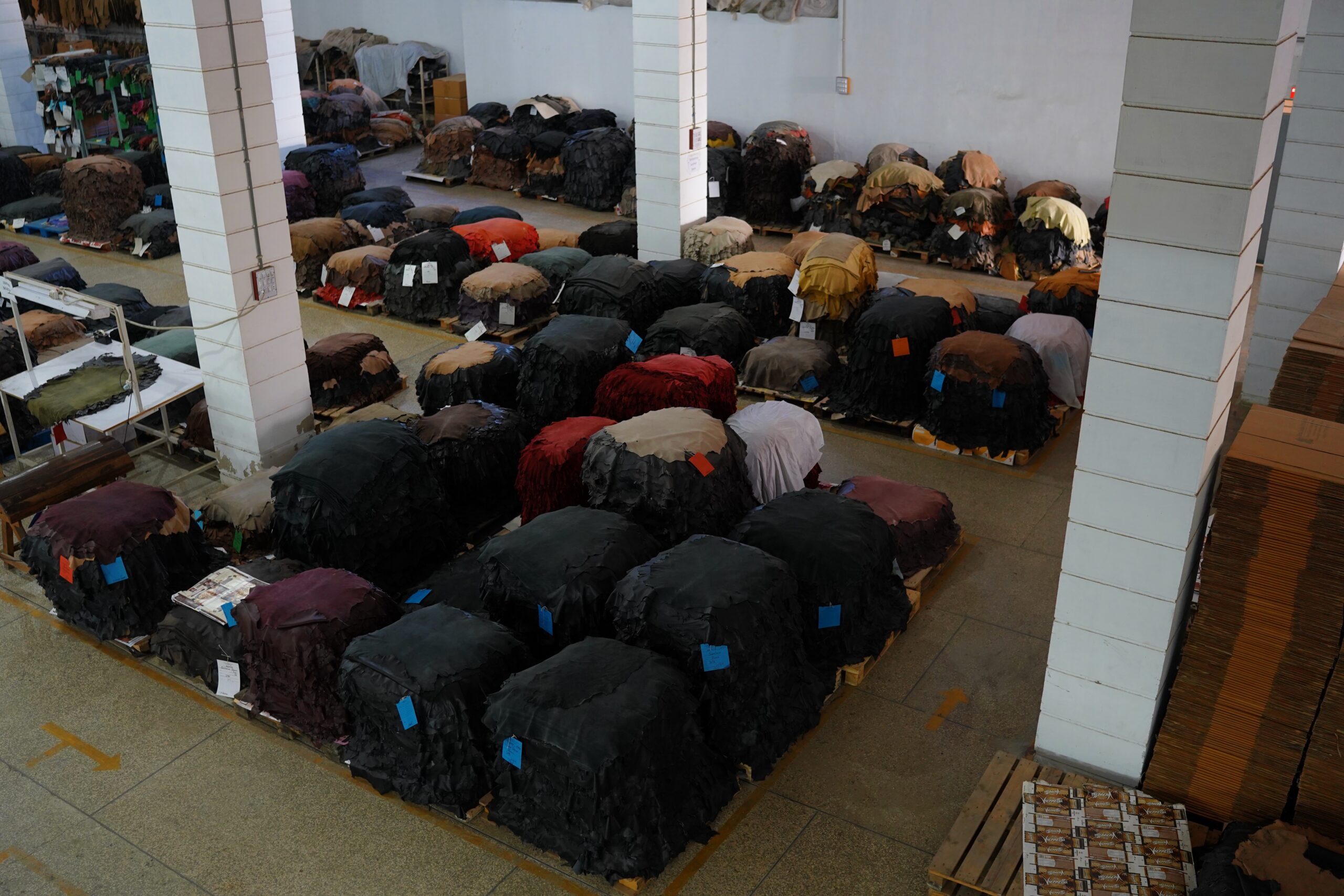
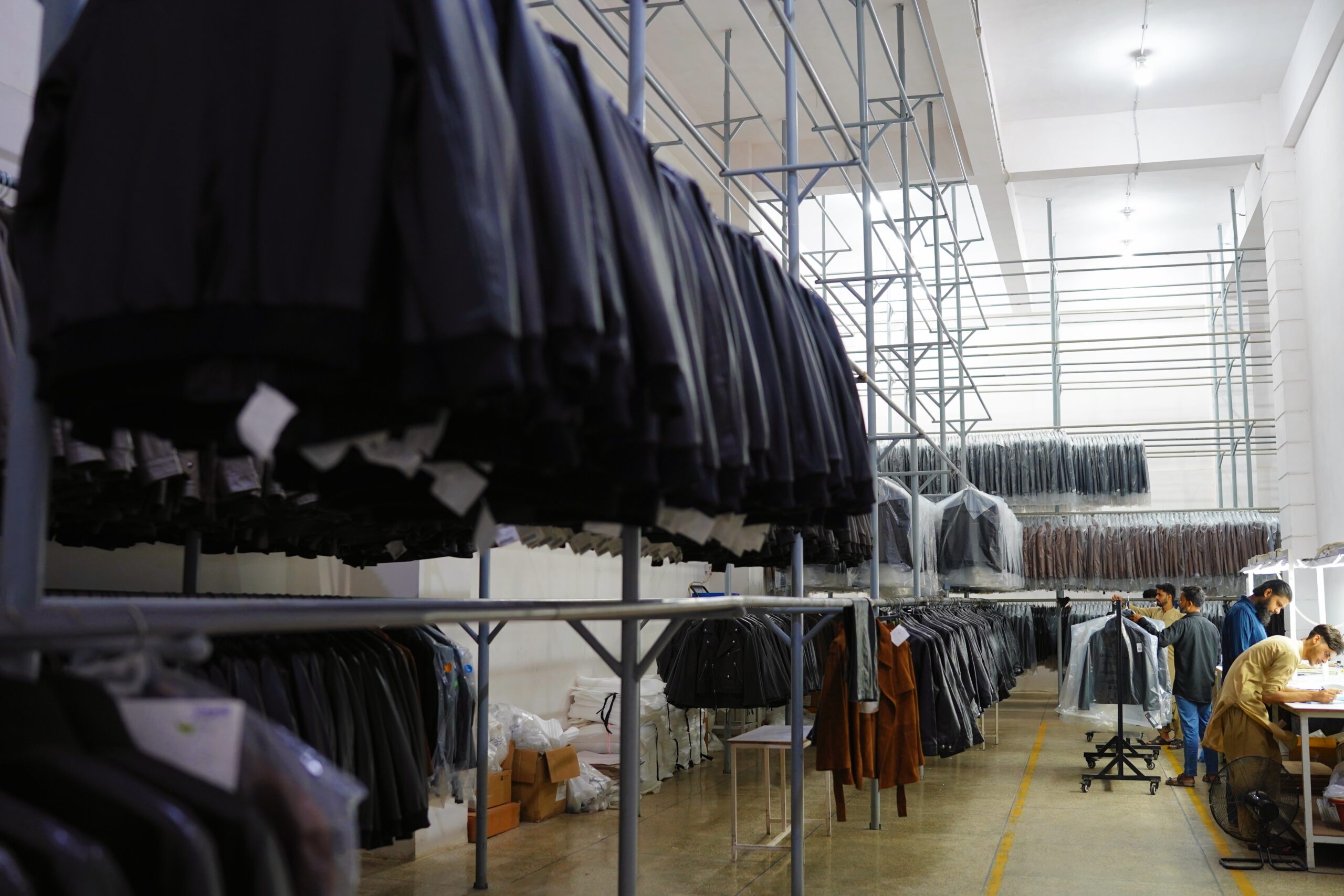
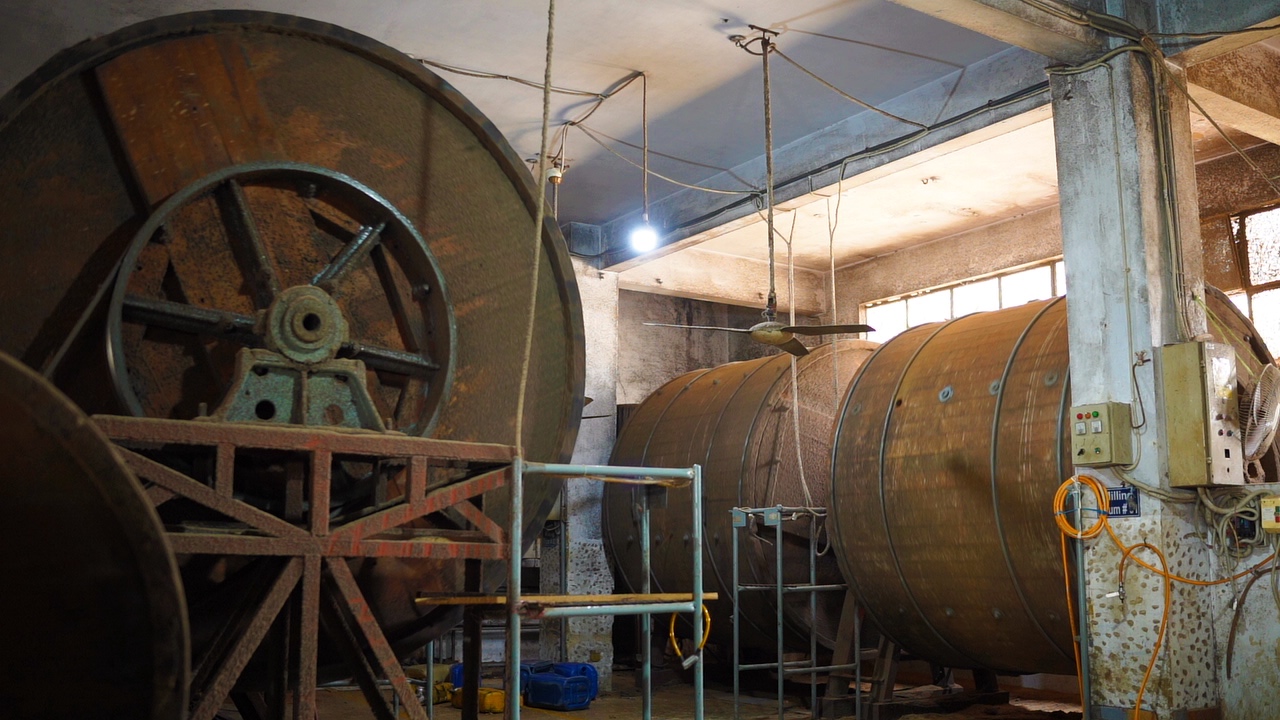
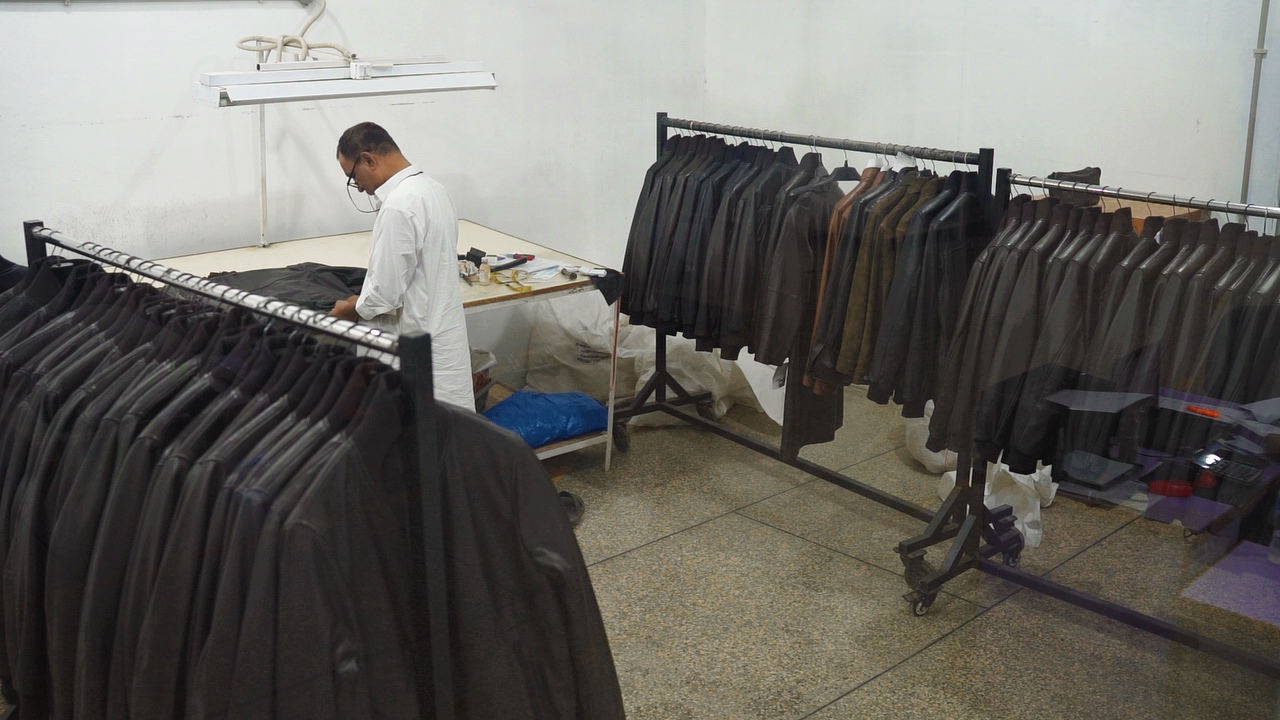
For B2B buyers, Hamid Leather Ltd offers custom leather garment manufacturing for international fashion brands, wholesalers and retailers. Businesses can explore its capabilities at Hamid Leather Ltd.
Sustainability and Responsible Production
Sustainability claims should be supported by evidence and clearly defined practices.
A durable jacket that remains wearable for years may reduce the need for frequent replacement. Product longevity depends on quality materials, repairable construction and timeless design.
Responsible leather manufacturing can also involve improved water management, controlled chemical use, efficient energy consumption and better waste handling.
Accurate pattern placement helps reduce cutting waste. Smaller offcuts may be used for accessories, labels or reinforcement pieces when practical.
Brands should request relevant certifications, audit information and documented environmental procedures from suppliers. General words such as “eco-friendly” provide little value without supporting details.
Social responsibility also matters. Buyers should consider workplace safety, fair labour practices and traceability within the supply chain.
Frequently Asked Questions
Are black leather biker jackets still fashionable?
Yes. Their core design has remained popular for decades. Fits and details change over time, but a well-proportioned black biker jacket continues to work in modern wardrobes.
What is the best leather for a biker jacket?
Cowhide suits rugged, structured jackets. Goatskin balances strength and flexibility, while sheepskin and lambskin are suitable for softer fashion designs. The best choice depends on the intended use.
Should a biker jacket be tight or loose?
It should feel fitted without restricting movement. You should be able to close it comfortably and move your shoulders and arms without strong pulling.
What is the difference between a biker jacket and a bomber jacket?
A classic biker jacket often has an asymmetrical zip, lapels and prominent hardware. A bomber jacket usually has a central zip, fitted waistband and rounder silhouette.
Is every leather biker jacket safe for motorcycle riding?
No. Many are fashion garments. A riding jacket should provide appropriate abrasion resistance, reinforced construction, protective armour and compliance with relevant safety standards.
Can I wear a biker jacket in summer?
A lightweight, breathable fashion jacket may be suitable for cool summer evenings. Heavy cowhide and insulated linings can be uncomfortable in hot weather.
Does genuine leather stretch?
Leather may soften and adapt slightly through wear, but it should not be expected to correct a badly fitting chest, shoulder or sleeve.
How can I identify a quality leather jacket?
Check the leather specification, panel matching, stitching, lining, hardware and fit. The interior construction should appear as carefully finished as the exterior.
Is lambskin suitable for a biker jacket?
Yes, especially for a soft and refined fashion jacket. However, it is generally more delicate than heavy cowhide and requires careful handling.
Can women wear men’s biker jackets?
Yes. A men’s jacket can create an oversized look, but the shoulder width, sleeve length and waist position should still appear intentional.
What should I wear under a black biker jacket?
T-shirts, lightweight jumpers, hoodies, shirts and roll-neck tops can all work. Choose layers according to the jacket’s fit and the weather.
Can black leather fade?
Yes. Sunlight, friction, moisture and unsuitable cleaning products can affect the colour. Proper storage and leather-specific care can reduce fading.
Is faux leather worth buying?
It can be suitable for buyers seeking a lower price or animal-free material. However, quality varies, and some synthetic surfaces may peel or crack earlier than genuine leather.
How often should I condition the jacket?
There is no universal schedule. Condition it when the leather begins to feel dry, following the product and jacket manufacturer’s guidance. Avoid applying too much.
Can a damaged leather biker jacket be repaired?
Many problems, including torn linings, broken zips and some surface damage, can be repaired by a leather specialist. Early repair normally produces better results.
Final Thoughts
A black leather biker jacket remains one of the most recognisable and versatile pieces of outerwear. Its combination of practical heritage, durable material and confident style has allowed it to remain relevant across generations.
The best jacket is not necessarily the heaviest, most expensive or most decorated option. It is the one that matches your purpose, fits correctly and uses materials suitable for your lifestyle.
If you need a fashion jacket, softness, comfort and styling flexibility may be your main priorities. Lambskin, sheepskin or lightweight goatskin can work well. If you prefer a rugged appearance, cowhide or buffalo leather may provide the structure and character you want.
Motorcyclists must look beyond appearance. A proper riding jacket should offer appropriate protection, secure construction and compliance with relevant standards. A fashion biker jacket should never be treated as certified safety equipment without evidence.
Before purchasing, inspect the leather, stitching, lining, zips and other hardware. Check exact garment measurements, particularly when ordering online. Consider how the jacket will work with your existing wardrobe and whether you can wear it regularly.
Proper care will also protect your investment. Store the jacket correctly, keep it away from excessive heat and moisture, use suitable cleaning products and repair small problems before they become serious.
For fashion brands and wholesale buyers, the black leather biker jacket offers significant opportunities for customisation. Leather type, finish, silhouette, lining, hardware and branding can all be adapted for a particular audience. Detailed specifications, careful sampling and reliable quality control are essential for successful bulk production.
Whether you choose a traditional double-rider, a clean café racer or a modern oversized design, a thoughtfully selected black leather biker jacket can remain a dependable part of the wardrobe for many years.
SEO title: Black Leather Biker Jacket: A Complete Buyer’s Guide
Meta description: Discover how to choose a black leather biker jacket, including leather types, fits, features, styling ideas, quality checks and care tips.
Focus keyword: black leather biker jacket
Suggested URL slug: black-leather-biker-jacket-buyers-guide
write a 4000 words humanized seo frindly blog for the following titlem (
- Black Leather Biker Jacket: A Complete Buyer’s Guide) and also integrate this link with it but keep in mind to not make it in a long sentance (https://www.hamidleather.com/black-leather-bomber-jacket-features-benefits-and-styling-ideas/)
Black Leather Biker Jacket: A Complete Buyer’s Guide
A black leather biker jacket is one of those rare fashion pieces that never truly goes out of style. Originally created as practical outerwear for motorcycle riders, it has evolved into a worldwide symbol of confidence, independence and timeless style. Today, it is worn by motorcyclists, musicians, celebrities, fashion enthusiasts and everyday consumers who simply want a dependable jacket with a strong personality.
Its appeal is easy to understand. Black works with almost every colour, genuine leather can last for many years, and the distinctive biker silhouette instantly adds character to an outfit. However, choosing the right jacket is not always simple. Buyers must consider the leather type, fit, construction, hardware, lining, comfort and intended use.
A jacket made primarily for fashion may resemble professional motorcycle clothing but provide very different protection. Likewise, a heavy cowhide jacket may offer excellent durability but feel uncomfortable for someone who needs lightweight everyday outerwear.
This complete buyer’s guide explains how to choose a black leather biker jacket that fits properly, looks good and provides suitable value. It covers the main styles, leather types, quality indicators, buying mistakes, styling ideas and care requirements. It also offers useful guidance for fashion brands, wholesalers and retailers interested in sourcing custom leather jackets.
What Is a Black Leather Biker Jacket?
A black leather biker jacket is a short, structured jacket inspired by the protective clothing traditionally worn by motorcycle riders. It is generally made from genuine or synthetic leather and includes features such as a front zip, fitted sleeves, practical pockets and metal hardware.
The most recognisable version is the double-rider jacket. It normally features an asymmetrical zip, broad lapels, zipped cuffs and an adjustable waist belt. When the diagonal zip is closed, one side of the jacket overlaps the other. This design was originally intended to reduce the amount of cold air reaching a rider’s chest.
Other biker jackets have a simpler appearance. A café racer jacket, for example, usually has a straight central zip, a small stand collar and fewer decorative details. Modern designers have also created cropped, oversized, quilted and minimalist variations.
The term “biker jacket” is now used broadly in the fashion industry. Some products are specifically designed for motorcycle riding, while others only borrow the style’s appearance. Understanding this difference is extremely important, particularly for buyers who intend to wear the jacket on a motorcycle.
A Brief History of the Leather Biker Jacket
The history of the leather biker jacket is closely connected to the development of motorcycle culture. As motorcycles became more popular during the early twentieth century, riders needed durable clothing that could protect them from wind, dust and regular outdoor exposure.
Leather was a practical material for this purpose. It was strong, reasonably wind-resistant and capable of handling demanding conditions. Manufacturers gradually began creating jackets specifically for riders rather than adapting ordinary coats.
One of the most important developments was the asymmetrical front closure. Unlike a traditional central zip, a diagonal zip allowed the leather panels to overlap across the chest. This helped reduce wind penetration while also creating the distinctive shape now associated with classic biker jackets.
The jacket eventually moved beyond practical motorcycle clothing. Its connection with speed, freedom and rebellion attracted actors, musicians and youth movements. It became especially prominent in cinema and rock culture, where it represented independence and a refusal to follow conventional expectations.
Fashion designers later reinterpreted the jacket using softer leather, slimmer silhouettes and luxury finishes. Women’s collections introduced cropped fits and refined proportions, while streetwear brands experimented with oversized shapes, graphics, patches and distressed surfaces.
Despite these changes, the black leather biker jacket has retained its original identity. Its history gives it an authenticity that trend-based clothing often lacks.
Why Is the Black Leather Biker Jacket So Popular?
The lasting popularity of the black leather biker jacket comes from its ability to combine practicality, versatility and strong visual character.
It Has a Timeless Design
Although details change over time, the core biker silhouette remains recognisable. A well-proportioned jacket purchased today can still look relevant many years from now.
This makes it different from highly seasonal outerwear. Fashion trends may influence whether the preferred fit is slim, cropped or oversized, but the jacket itself does not disappear from the market.
Black Is Easy to Style
Black works naturally with denim, white shirts, neutral knitwear, bright colours and patterned clothing. It can make casual outfits look sharper and help formal pieces feel more relaxed.
A buyer does not usually need to purchase an entirely new wardrobe to wear a black biker jacket successfully. It can be introduced gradually into existing outfits.
Leather Can Be Durable
A properly constructed genuine leather jacket can remain wearable for many years. Instead of looking worn out immediately, quality leather often develops creases, tonal differences and a natural patina.
Durability still depends on the leather, finish, stitching, hardware and care routine. The phrase “genuine leather” alone is not enough to guarantee long-term quality.
It Adds Character
A biker jacket can transform a simple outfit. A plain T-shirt and jeans may appear ordinary on their own, but adding a fitted leather jacket creates a stronger and more deliberate look.
The effect does not always have to be aggressive. A minimalist café racer can appear clean and refined, while a traditional double-rider creates a bolder impression.
It Suits Different Customers
Modern biker jackets are available in many versions. Customers can choose heavy cowhide, soft lambskin, lightweight sheepskin, textured goatskin or synthetic materials.
There are options for motorcycle riders, fashion buyers, luxury customers, streetwear enthusiasts and people seeking practical everyday outerwear.
Main Features of a Black Leather Biker Jacket
Not every biker jacket includes the same components, but several features are commonly associated with the style.
Asymmetrical Front Zip
The diagonal front zip is the defining feature of a classic double-rider jacket. It creates an overlapping front when closed and wide lapels when open.
The zip should move smoothly without catching the lining or surrounding leather. It must also remain aligned when the jacket is closed. A poor-quality main zip can quickly make an otherwise attractive jacket frustrating to wear.
Wide Lapels
Traditional biker jackets often have wide lapels secured with snap fasteners. These snaps help keep the lapels in position when the jacket is worn open.
Lapels strongly influence the jacket’s personality. Large lapels create a bold, classic appearance, whereas narrow lapels look cleaner and more contemporary.
Metal Hardware
Zips, snaps, buckles and studs are both functional and decorative. Silver hardware is traditional, but antique brass, gunmetal and matte-black finishes are also popular.
Good hardware should feel secure and operate smoothly. It should not have rough edges that could damage the leather or cause discomfort.
Zipped Cuffs
Cuff zips allow the sleeve opening to be adjusted. When closed, they create a fitted wrist and can help reduce wind entering the sleeves.
The cuffs should remain comfortable when the wearer bends the wrists. A leather guard behind the zip can prevent direct contact with the skin.
Adjustable Waist
A traditional biker jacket may have a full waist belt, while modern versions often use smaller side tabs. These features allow limited adjustment and help define the jacket’s lower silhouette.
The belt should hang naturally and remain secure. Some customers prefer side adjusters because a loose front buckle may hit surrounding objects or create noise while walking.
Practical Pockets
Typical designs include zipped hand pockets, chest pockets, internal storage and a small coin pocket. The exact arrangement depends on the jacket’s style.
Buyers should confirm that visible zips lead to real pockets. Some fashion jackets use decorative zips without providing practical storage.
Reinforced Panels
Motorcycle-inspired designs may feature additional leather, quilting or padding around the shoulders and elbows. These panels can improve appearance and everyday durability.
However, padding alone does not prove that the jacket is suitable for riding. Proper motorcycle gear requires appropriate materials, construction, protectors and compliance with relevant safety requirements.
Short Body Length
Most biker jackets finish near the waist or upper hip. This shorter length creates the familiar sharp silhouette and makes the jacket comfortable when sitting on a motorcycle.
Contemporary versions may be cropped or slightly extended. The best length depends on the wearer’s height, body proportions and preferred styling.
Fashion Biker Jackets vs Motorcycle Riding Jackets
Before buying a black leather biker jacket, decide whether it will be worn as fashion outerwear or as protective motorcycle equipment.
A fashion biker jacket is mainly designed for appearance, comfort and everyday wear. It may use soft leather, lightweight construction and a smooth lining. It can look impressive but may not include specialist protective features.
A motorcycle riding jacket is developed for use on the road. Depending on its design and intended market, it may include abrasion-resistant leather, reinforced seams, impact protectors, connection systems and construction intended to keep the protective elements in place.
The two types may look very similar in photographs. Buyers should therefore never assume that every leather jacket offers suitable road protection.
If you intend to ride, look for clear information about the jacket’s protective performance and applicable safety standards. Check the shoulder, elbow and back protection, seam construction, abrasion-resistant areas and overall riding fit.
A riding jacket should remain secure when the rider leans forward. The sleeves may be slightly longer, and the back may provide additional coverage. Protective components should stay correctly positioned rather than moving away from the joints.
For everyday fashion, these technical elements may be unnecessary. A lighter, softer jacket will often provide greater comfort for walking, travelling and indoor-to-outdoor use.
Best Leather Types for a Black Biker Jacket
The leather type affects the jacket’s weight, texture, softness, durability, appearance and price. There is no single option that is perfect for every customer.
Cowhide Leather
Cowhide is one of the most common materials used for black leather biker jackets. It is known for strength, durability and a substantial feel.
A new cowhide jacket may initially feel firm, particularly if the leather is thick. It generally becomes softer and more comfortable through regular wear.
Cowhide is suitable for rugged fashion pieces and certain motorcycle jackets. Its structured character works particularly well with classic double-rider designs.
The main disadvantage is weight. Buyers seeking a light fashion layer may find heavy cowhide tiring or uncomfortable. The thickness should always match the intended purpose.
Buffalo Leather
Buffalo leather has a strong, visible grain and a naturally rugged appearance. It is often used for jackets designed to look substantial or vintage-inspired.
Its surface may show more texture than smooth cowhide or lambskin. This makes every jacket slightly different, but it also requires careful panel matching during manufacturing.
Buffalo leather can be highly durable, although quality still depends on tanning, finishing and construction.
Goatskin Leather
Goatskin offers a useful balance between strength, flexibility and manageable weight. Its natural pebble-like grain gives it a distinctive appearance without looking excessively rough.
A goatskin biker jacket may feel more comfortable from the beginning than a heavy cowhide garment. It can also provide good resistance to regular wear.
This makes goatskin a versatile option for customers who want durability without excessive stiffness.
Sheepskin Leather
Sheepskin is generally lighter and softer than cowhide. It drapes more naturally and can feel comfortable with little breaking-in time.
It is commonly used for fashion-oriented biker jackets, especially slim-fit and contemporary designs. Its flexibility makes it suitable for customers who want a close silhouette without severe restriction.
Lightweight sheepskin may not provide the same rugged character as heavy cowhide, so it should be chosen according to personal preference and intended use.
Lambskin Leather
Lambskin is appreciated for its softness, smooth surface and luxurious feel. It is frequently used in premium fashion jackets.
A black lambskin biker jacket can create a refined appearance that works well with smart-casual outfits. It feels comfortable immediately and follows the body more naturally than thick leather.
However, lambskin is usually more vulnerable to scratches and rough treatment. Buyers who select it should be prepared to handle and store the jacket carefully.
Faux Leather
Faux leather is a synthetic material made to imitate the appearance of genuine leather. It is generally more affordable and may appeal to customers who avoid animal-derived materials.
The quality varies significantly. A good synthetic material can look attractive and feel flexible, while a low-quality coating may peel, crack or become stiff relatively quickly.
Faux leather does not normally develop the same natural patina as genuine hide. Before buying, examine the material’s flexibility, surface stability, backing and breathability.
Understanding Leather Grades
Animal type is only one part of leather selection. The grade and finishing method also influence the jacket’s appearance and performance.
Full-Grain Leather
Full-grain leather retains the hide’s natural outer grain. It may display small scars, wrinkles and variations because the surface has not been heavily corrected.
These characteristics are not automatically defects. Many buyers value them because they demonstrate the natural origin of the material.
Full-grain leather is often strong and can develop an attractive patina over time. It is suitable for buyers who appreciate natural character rather than perfect uniformity.
Top-Grain Leather
Top-grain leather is lightly corrected to reduce surface imperfections and create a smoother appearance. It can offer a practical balance between natural quality and visual consistency.
It is frequently used for premium fashion jackets because it is easier to match across panels while retaining good durability.
Corrected-Grain Leather
Corrected-grain leather undergoes more significant sanding and finishing. An artificial grain may be added to create a consistent surface.
This uniformity can be useful for large production orders. However, performance depends on both the underlying leather and the quality of the applied coating.
Split Leather
Split leather comes from a lower layer of the hide after the upper section has been separated. It may receive coatings or embossing to imitate a more expensive surface.
It is normally less expensive than full-grain or top-grain leather. Buyers should ask for clear specifications because the broad label “genuine leather” may include very different materials.
Common Black Leather Finishes
The finish determines much of the jacket’s final appearance. It can also affect stain resistance, consistency and maintenance requirements.
A matte finish creates a subtle, modern look. It works particularly well with minimalist jackets and black hardware.
A semi-aniline finish allows some natural grain to remain visible while providing more protection than pure aniline leather. It offers a balance of character and practicality.
Pigmented leather has a more protective and uniform surface coating. It may resist everyday marks better, although it can display less natural variation.
Glossy black leather creates a dramatic appearance and reflects more light. However, fingerprints, scratches and creases may be more visible.
Waxed leather can develop rich tonal variation as it is worn. It is often selected for heritage and vintage-inspired designs.
Distressed leather is intentionally finished to look aged. It may include faded areas, uneven tones or a worn appearance. Buyers should distinguish deliberate distressing from poor-quality material or accidental damage.
Popular Black Leather Biker Jacket Styles
The classic double-rider is only one option. Understanding the major variations will help you choose a jacket that matches your wardrobe and personality.
Classic Double-Rider Jacket
This design features an asymmetrical zip, wide lapels, multiple pockets and often a waist belt. It has the strongest connection to traditional biker culture.
The double-rider jacket works particularly well with jeans, boots and plain shirts. Because the design includes prominent hardware, the quality and alignment of each component are important.
Café Racer Jacket
A café racer normally has a straight central zip, a small stand collar and minimal decoration. Its clean design makes it easier to combine with smart-casual clothing.
This style often has a fitted silhouette. Buyers should check the chest, shoulders and armholes carefully to avoid restricting movement.
Brando-Style Biker Jacket
The Brando-style jacket takes inspiration from the famous mid-century motorcycle look. It usually includes broad lapels, epaulettes, an asymmetrical closure and a belted waist.
It is a bold choice for buyers seeking a traditional and instantly recognisable biker appearance.
Quilted Biker Jacket
Quilted sections may be added to the shoulders, sleeves or elbows. They introduce texture and can give the jacket a technical look.
Quilting must be positioned carefully. Excessive padding can make the shoulders look bulky or limit arm movement.
Minimalist Biker Jacket
A minimalist biker jacket removes many traditional details. It may retain a diagonal zip but use narrower lapels, fewer pockets and matching black hardware.
This design is suitable for customers who like the biker silhouette but want something refined and easy to wear.
Cropped Biker Jacket
A cropped jacket finishes at or above the natural waist. It is especially popular in women’s fashion and pairs well with high-waisted trousers, skirts and dresses.
The cropped length should still provide comfortable movement. A jacket that is too short may rise excessively when the wearer lifts their arms.
Oversized Biker Jacket
An oversized design includes dropped shoulders, wider sleeves and a relaxed body. It is commonly associated with streetwear and layered outfits.
A proper oversized jacket is intentionally patterned that way. Buying a standard jacket several sizes larger can make the sleeves, pockets and waist sit in the wrong positions.
Hooded Biker Jacket
Some biker jackets include a permanent or removable hood. This adds a casual element and may make the jacket more practical for everyday streetwear.
Leather may also be combined with jersey or woven fabric to reduce weight. The materials should have compatible durability and care requirements.
Embellished Biker Jacket
Studs, patches, embroidery and printed graphics can turn a traditional biker jacket into a statement piece.
These designs allow greater personal expression but may be harder to combine with different outfits. Decorations should be securely attached without weakening the leather.
Vintage-Inspired Biker Jacket
Vintage-inspired jackets use distressed leather, antique hardware and traditional patterns to create an aged appearance.
The best versions look naturally worn rather than artificially damaged. Construction quality should remain strong even when the surface is intentionally distressed.
Biker jackets are not the only timeless option. Read our guide to the black leather bomber jacket for another classic style.
How Should a Black Leather Biker Jacket Fit?
Fit is one of the most important factors in choosing a black leather biker jacket. Even expensive leather cannot make up for incorrect proportions.
The shoulder seams should usually sit near the natural edge of the shoulders. If they sit too far inward, the jacket may restrict movement. If they extend too far outward, a standard-fit design may look untidy.
The chest should feel secure without excessive pulling. You should be able to close the main zip comfortably over the clothing you expect to wear underneath. Strong horizontal lines around the chest or armholes often indicate that the jacket is too tight.
The sleeves should normally finish around the wrist bone or slightly below it. Motorcycle jackets may have longer sleeves because a rider’s arms extend forward while holding the handlebars.
The waist should sit comfortably without rising excessively when you move. A belt or side adjuster can make small improvements, but it cannot correct a fundamentally unsuitable size.
Test the jacket by reaching forward, raising your arms and bending your elbows. Some leather will soften with use, but buyers should not depend on dramatic stretching to correct a poor fit.
If you plan to wear jumpers or hoodies under the jacket, try it with a similar layer. A jacket that feels perfect over a thin T-shirt may become uncomfortable over winter clothing.
When shopping online, compare the garment measurements with a jacket that already fits you well. Do not rely only on labels such as small, medium or large, because sizing varies between brands and markets.
Choosing the Right Jacket for Your Body Shape
There is no strict rule about which biker jacket each person should wear. However, certain proportions can create a more balanced appearance.
People with an athletic or slim build may prefer a fitted café racer or structured double-rider. These designs can follow the shape of the upper body without adding unnecessary volume.
Broader wearers may find that moderate lapels and a cleaner front create a streamlined look. The jacket should provide enough chest and shoulder room without hanging loosely around the waist.
Shorter customers often benefit from waist-length designs. An excessively long biker jacket may visually shorten the legs.
Taller buyers should pay close attention to sleeve and body length. A jacket can fit around the chest while still appearing too short through the torso.
Cropped jackets can define the waist, while slightly longer styles provide additional coverage. Oversized designs should have carefully controlled proportions so they look deliberate.
Personal comfort remains more important than general body-shape advice. The best jacket is the one that allows natural movement and makes the wearer feel confident.
What to Check Before Buying
A careful inspection can help you identify quality and avoid disappointing purchases.
Examine the Leather
The leather should feel suitable for the jacket’s purpose. Heavy cowhide may be firm and structured, while lambskin should feel soft and flexible.
Natural variations are normal, but severe colour or grain differences between neighbouring panels may indicate poor material matching.
Do not assume that thicker always means better. A lightweight jacket can be high quality when it is intentionally designed for fashion and comfort.
Inspect the Stitching
Look for straight, even and secure stitching. Pay particular attention to the armholes, shoulders, pocket openings, cuff zips and main closure.
Skipped stitches, loose threads and uneven seams may suggest weak quality control. Areas exposed to additional stress should be properly reinforced.
Test the Zips
Open and close every zip several times. It should move smoothly without sticking, separating or catching the lining.
Check that the zip teeth remain aligned and the surrounding leather does not pull excessively.
Check the Lining
A strong lining improves comfort and helps protect the inside of the jacket. It should sit smoothly without twisting, sagging or extending below the leather shell.
Inspect the internal pockets and seams. The hidden areas often reveal the manufacturer’s overall attention to detail.
Review the Hardware
Snaps, buckles and decorative pieces should feel secure. There should be no sharp edges that could scratch the leather or irritate the wearer.
Heavy hardware can feel premium, but unnecessary weight may reduce comfort.
Examine Panel Matching
Leather is a natural material, so some variation is expected. However, the main front, back and sleeve panels should create a balanced appearance.
Poorly matched panels may have noticeably different colours, grain patterns or levels of shine.
Confirm the Return Policy
When buying online, read the return and exchange conditions before placing the order. Check whether customised jackets can be returned and who is responsible for return delivery costs.
How Much Should a Quality Biker Jacket Cost?
The price of a black leather biker jacket depends on several factors, including leather source, grade, thickness, finish, hardware, lining, craftsmanship and brand positioning.
Faux leather jackets usually occupy the lower price range. Entry-level genuine leather products may use split or heavily corrected leather with standard components.
Mid-range jackets often offer better leather selection, more durable hardware and improved construction. They can provide good value for customers who want an everyday jacket without luxury branding.
Premium jackets may use full-grain or carefully selected top-grain leather, specialised finishes, strong linings and detailed craftsmanship. Custom patterns and higher-quality metal components can also increase the price.
Luxury retail pricing may include brand reputation, marketing, packaging and store costs. A high price does not automatically guarantee superior construction.
Instead of judging by price alone, consider the cost per wear. A jacket that remains attractive and functional for many years may offer better value than a cheap product that quickly peels, tears or loses its shape.
How to Style a Black Leather Biker Jacket for Men
A black biker jacket can be styled in several ways without making an outfit look overdone.
Classic Casual Outfit
Combine the jacket with a white T-shirt, blue jeans and black boots. This simple combination allows the jacket to remain the main feature.
A distressed finish creates a vintage mood, while smooth leather makes the outfit look cleaner.
Monochrome Outfit
Wear a black jacket with a black shirt, dark jeans and black footwear. Use different textures to prevent the outfit from appearing flat.
Leather, denim, cotton and knitwear can create visual depth even when every item belongs to the same colour family.
Smart-Casual Look
Choose a minimalist café racer and wear it with a fine-knit jumper, tailored trousers and Chelsea boots.
A clean jacket with limited hardware works better for this outfit than a heavily decorated double-rider.
Weekend Style
Layer the jacket over a sweatshirt and add relaxed jeans with trainers. Make sure the jacket has enough room in the chest and sleeves for the additional layer.
Streetwear Look
An oversized biker jacket can be paired with a hoodie, wide-leg trousers and statement trainers. Keep the remaining colours controlled if the jacket has prominent hardware or graphics.
Cold-Weather Outfit
Wear a jumper under the jacket and add dark denim, boots and a scarf. A quilted lining can provide additional warmth, but it may not be sufficient for severe winter conditions.
How to Style a Black Leather Biker Jacket for Women
The contrast between structured leather and softer clothing makes the biker jacket especially versatile in women’s wardrobes.
With Jeans
Pair a fitted jacket with straight-leg or high-waisted jeans, a simple top and ankle boots. This creates an easy everyday outfit.
With a Dress
Wear a structured black biker jacket over a floral, satin or neutral midi dress. The jacket adds definition while the dress softens its bold character.
Trainers keep the outfit casual, while heeled boots create a more polished result.
With a Skirt
Combine the jacket with a pleated, denim, satin or leather skirt. A tucked-in top can define the waist and balance the jacket’s shape.
With Tailored Trousers
A minimalist jacket works well with tailored trousers, a blouse and loafers. Black hardware or limited decoration helps maintain a refined appearance.
With Evening Clothing
A cropped lambskin jacket can be worn over a fitted dress or elegant separates. Its soft leather and shorter length make it easier to integrate into a polished outfit.
With Athleisure
An oversized biker jacket can be layered over leggings, a fitted top and trainers. The contrast between the roomy jacket and streamlined base creates a contemporary silhouette.
Common Buying Mistakes to Avoid
One common mistake is buying a jacket that is too tight and expecting it to stretch significantly. Leather may soften and adapt slightly, but an incorrect shoulder or chest size will not necessarily become comfortable.
Another mistake is purchasing a fashion jacket for motorcycle riding. The appearance of leather does not confirm impact protection, abrasion resistance or safety compliance.
Some buyers focus only on the outer material and ignore the lining, stitching and zips. These components can fail long before the leather surface wears out.
Choosing the heaviest jacket available is also unnecessary. Weight should match the climate, intended use and personal comfort.
Buyers may also select a highly decorated jacket without considering their existing wardrobe. A simple design usually offers greater versatility.
Generic size labels can be misleading. Always check actual measurements and compare them with a jacket you already own.
Finally, do not use “genuine leather” as the only measure of quality. Ask for more specific information about the animal source, leather grade, finish and construction.
How to Care for a Black Leather Biker Jacket
Correct care helps preserve the jacket’s colour, texture and structure.
Hang the jacket on a wide, supportive hanger after use. Thin wire hangers can place pressure on the shoulders and eventually distort their shape.
Store it in a cool, dry and ventilated area away from direct sunlight. Prolonged sunlight may fade black leather, while excessive humidity can encourage mould.
Avoid keeping the jacket permanently inside a sealed plastic bag. Leather benefits from airflow. A breathable garment cover is a better option for long-term storage.
Remove light dust using a soft, dry cloth. For stains, use a cleaning product developed for the specific leather type and test it on a hidden area first.
Apply a suitable conditioner when smooth leather begins to feel dry. Do not over-condition it, as too much product can darken the surface, reduce structure or leave a greasy residue.
Suede and nubuck require different care. Standard leather creams may damage their textured surfaces, so use dedicated brushes and protective products.
If the jacket gets wet, blot away excess moisture and allow it to dry naturally at room temperature. Do not place it near a heater or use a hair dryer. Rapid heat can make leather stiff or cracked.
Professional leather cleaning is usually the safest option for serious stains. Broken zips, torn linings and damaged seams should be repaired early before the problem becomes more difficult to correct.
Can a Leather Biker Jacket Be Worn in the Rain?
Light rain does not necessarily ruin a properly finished leather jacket, but genuine leather should not be treated as completely waterproof.
A leather-compatible protective spray may improve water resistance. Always test it on a hidden area because some treatments can change the colour or shine.
If the jacket becomes wet, gently blot it with a clean cloth. Avoid aggressive rubbing, which may spread marks or disturb the surface.
Allow it to dry naturally in a well-ventilated room. Do not apply direct heat.
Heavy or prolonged rain can cause water marks, stiffness and colour changes. During severe weather, technical waterproof outerwear is a safer choice.
Buying a Black Leather Biker Jacket Online
Online shopping provides access to more styles, but it also prevents buyers from feeling the leather and checking the fit before ordering.
Read the full material description. Look for the animal source, grade, finish, lining composition and hardware information. A listing that says only “real leather” provides limited detail.
Use the brand’s size chart and compare the measurements with a similar jacket you own. Focus on the chest, shoulders, sleeves and body length.
Review product photographs from multiple angles. Good listings should show the front, back, interior, pockets, cuffs and close-up details.
Customer reviews can provide useful information about sizing and durability. Look for repeated patterns instead of depending on a single positive or negative comment.
Review the seller’s return policy, warranty and contact information. Be cautious when a supposedly premium jacket is offered at an unrealistically low price without clear specifications.
Custom Black Leather Biker Jacket Manufacturing
For fashion labels, wholesalers and retailers, custom manufacturing provides an opportunity to create a distinctive biker jacket rather than purchasing a generic design.
The process usually begins with a sketch, reference sample or technical pack. The brand and manufacturer then agree on the leather, thickness, finish, colour, measurements, hardware, lining and branding.
Pattern development converts the design into individual garment components. Leather behaves differently from ordinary woven material, so patterns must account for thickness, movement, seam construction and natural variation.
A prototype allows the buyer to assess the silhouette, fit and details. Revisions may be needed to improve the chest, armholes, sleeve shape, collar, pocket placement or overall length.
After sample approval, the hides are inspected and cut. Skilled workers position the pattern pieces carefully to manage grain, shade and natural markings.
During assembly, stress points require secure stitching and reinforcement. Quality inspections should cover measurements, panel matching, seam strength, zip performance, lining, labels and packaging.
For B2B buyers, Hamid Leather Ltd manufactures custom leather garments for international fashion brands, wholesalers and retailers.
What Brands Should Consider Before Ordering in Bulk
Brands should clearly define their target customer before developing a bulk order. A fashion jacket for urban consumers requires different materials and specifications from protective motorcycle clothing.
The technical pack should include measurements, construction details, hardware references, branding positions, leather specifications and acceptable tolerances.
Brands should always request and approve samples. A jacket must be physically checked for fit, comfort, movement and function rather than approved only through photographs.
Natural leather variation should be discussed before production. The buyer and manufacturer should agree on acceptable standards for colour, grain and surface markings.
Minimum order quantities, lead times, packaging, size ratios and payment terms should also be confirmed in writing.
Quality expectations must be measurable. Instead of requesting “premium quality,” define the exact leather, lining, hardware, seam construction and inspection requirements.
Sustainability and Responsible Leather Production
Sustainability in leather manufacturing is complex and should be discussed through measurable actions rather than vague claims.
Product longevity is an important consideration. A well-made jacket that remains wearable for years may reduce the need for frequent replacement.
Manufacturers can improve environmental performance through responsible chemical control, water management, energy efficiency and better waste handling.
Accurate cutting helps reduce unused leather. Smaller offcuts may be repurposed for accessories, labels or reinforcement components.
Brands should request supporting evidence when suppliers make environmental or social claims. Certifications, audit reports and documented procedures are more meaningful than unsupported marketing terms.
Durable zips, replaceable components and strong linings can also extend a jacket’s useful life. Responsible production includes designing products that can be maintained and repaired.
Frequently Asked Questions
Are black leather biker jackets still in style?
Yes. Their core design has remained relevant for decades. Fits and details change, but a well-made biker jacket continues to work in modern wardrobes.
Which leather is best for a biker jacket?
The best leather depends on the intended use. Cowhide provides rugged structure, goatskin balances durability and flexibility, and lambskin offers softness for luxury fashion jackets.
Should a biker jacket fit tightly?
It should feel fitted but not restrictive. The zip should close comfortably, and the wearer should be able to move their shoulders and arms naturally.
Is every leather biker jacket safe for motorcycle riding?
No. Many biker jackets are designed only for fashion. Proper riding jackets require appropriate protective materials, construction and evidence of compliance with relevant standards.
What is the difference between a biker jacket and a bomber jacket?
A classic biker jacket generally has a diagonal zip, lapels and prominent hardware. A bomber usually has a central zip, fitted waistband and rounder silhouette.
Can a black biker jacket be worn in summer?
A lightweight, breathable jacket may be suitable for cool summer evenings. Heavy cowhide or insulated designs may feel uncomfortable in warm weather.
Does genuine leather stretch?
Leather may soften and adapt slightly, but it should not be expected to correct an incorrect shoulder, chest or sleeve measurement.
How can I identify a quality leather jacket?
Check the leather specification, stitching, panel matching, lining, hardware and overall fit. The interior should be finished as carefully as the exterior.
Is lambskin suitable for a biker jacket?
Yes. Lambskin is suitable for soft, lightweight and refined fashion jackets. However, it is generally more delicate than heavy cowhide.
Can women wear men’s biker jackets?
Yes. A men’s jacket can create an oversized look, but the shoulders, sleeves and waist should still sit in intentional positions.
What should I wear under a black biker jacket?
T-shirts, shirts, hoodies, lightweight jumpers and roll-neck tops can all work. The choice depends on the jacket’s fit and the weather.
Can black leather fade?
Yes. Sunlight, friction, moisture and unsuitable cleaning products can affect black dye. Proper care and storage can reduce fading.
Is faux leather worth buying?
It may suit customers seeking a lower price or animal-free material. Quality varies significantly, and some synthetic surfaces may peel earlier than genuine leather.
How often should a leather jacket be conditioned?
There is no fixed schedule. Apply a suitable conditioner when the leather begins to feel dry, following the product manufacturer’s instructions.
Can a damaged biker jacket be repaired?
Many problems, including broken zips, torn linings and damaged seams, can be repaired by a leather specialist. Early repair generally produces better results.
Final Thoughts
A black leather biker jacket is more than a temporary fashion trend. Its combination of motorcycle heritage, durable material and confident styling has allowed it to remain relevant for generations.
The best jacket is not automatically the heaviest, most expensive or most decorated option. It is the one that matches its intended purpose, fits comfortably and works with the buyer’s lifestyle.
For fashion wear, softness and versatility may be the main priorities. Lambskin, sheepskin and lightweight goatskin can provide comfort without sacrificing the distinctive biker appearance. Buyers who prefer a rugged, structured jacket may find cowhide or buffalo leather more suitable.
Motorcyclists must look beyond appearance. A genuine riding jacket should include suitable protection, secure construction and compliance with relevant requirements. A fashion jacket should never be assumed to provide adequate motorcycle protection simply because it is made from leather.
Before purchasing, examine the material, stitching, lining, zips and hardware. Check the exact measurements when ordering online, and think about the clothes you expect to wear underneath.
Proper care is equally important. Store the jacket correctly, protect it from excessive moisture and heat, use appropriate cleaning products and repair small problems promptly.
For brands and wholesale buyers, the black leather biker jacket offers extensive customisation opportunities. Leather type, finish, fit, lining, hardware and branding can all be adapted for a particular customer and price level. Detailed specifications, physical sampling and reliable quality control are essential for successful bulk production.
Whether you choose a classic double-rider, a clean café racer or an oversized contemporary design, a carefully selected black leather biker jacket can become one of the most dependable pieces in your wardrobe.