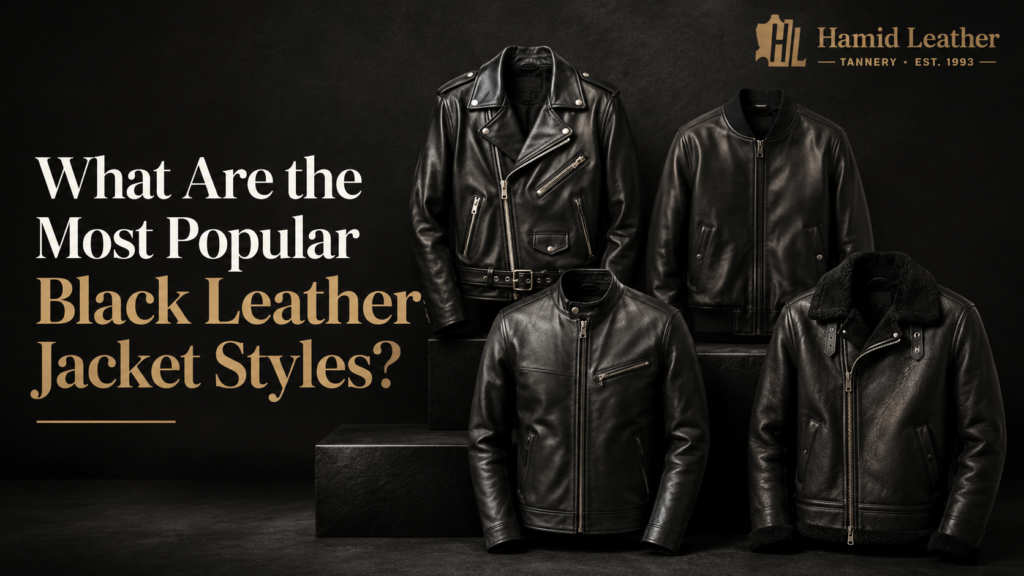
A black leather jacket is one of the rare garments that can look rebellious, refined, practical and luxurious without losing its identity. It has moved through military history, motorcycle culture, music, cinema and high fashion, yet it still feels relevant in a modern wardrobe. That staying power is not the result of one universal design. It comes from the wide variety of black leather jacket styles available to wearers and fashion brands.
Some designs are built around protection and function. Others focus on a clean silhouette, warmth or visual impact. A cropped biker jacket makes a very different statement from a minimalist leather blazer, while a shearling-lined aviator serves a completely different purpose from a lightweight café racer. Understanding these differences helps customers choose a jacket that suits their lifestyle, and it helps clothing brands develop collections for the right audience.
This guide explores the most popular black leather jacket styles, their defining features, their origins and the factors to consider when choosing one. It also explains how leather type, fit, hardware and construction can change the character of a jacket. Whether you are shopping for yourself or sourcing leather outerwear for a fashion business, the goal is the same: to find a design that looks good, feels comfortable and remains useful beyond a single season.
Why Are Black Leather Jackets So Popular?
Black is naturally versatile. It works with denim, tailoring, knitwear, dresses, boots and trainers. It can make an outfit feel sharper without requiring bright colours or elaborate patterns. On leather, black also highlights the material’s texture. Smooth lambskin reflects light softly, polished cowhide creates a stronger surface, and naturally grained leather adds depth to an otherwise simple colour.
The popularity of the black leather jacket also comes from association. Over decades, it has been worn by pilots, motorcyclists, musicians, actors and designers. These cultural connections give the garment a sense of confidence and independence. However, its appeal is not limited to a rebellious image. Clean designs now appear in smart-casual wardrobes, premium fashion collections and professional settings.
Practicality matters too. Quality leather provides a useful barrier against wind and light cold. With suitable lining and care, a jacket can be worn for many years. Unlike a trend-led garment that quickly looks dated, a well-designed black leather jacket often becomes more attractive as it develops gentle creases and a personal patina.
1. The Classic Biker Jacket
The biker jacket is probably the most recognisable black leather jacket style. It is known for its asymmetrical front zip, wide lapels, metal hardware and fitted shape. Many versions include zipped cuffs, a waist belt, shoulder epaulettes and several angled pockets. These details were originally functional, helping riders close the jacket securely, adjust the fit and carry small essentials.
The diagonal zip is more than a visual feature. When closed, the overlapping front panels can provide extra protection against wind. When open, the lapels create the bold shape associated with rock music and motorcycle culture. Silver-toned zips and snaps offer the traditional look, while black hardware gives the same construction a quieter, more contemporary character.
A classic biker jacket works well with a plain T-shirt, dark jeans and boots, but it is more flexible than that familiar combination suggests. Men can wear it over fine knitwear or a hoodie, while women can use it to add contrast to a soft dress, tailored trousers or a long skirt. Oversized versions feel relaxed and fashion-forward; close-fitting versions look sharper and more traditional.
Cowhide and goatskin are good choices when structure and durability are priorities. Lambskin or sheepskin creates a softer biker jacket that feels lighter and drapes closer to the body. Brands developing this style should balance visual impact with comfort because too much heavy hardware can make the finished garment tiring to wear.
2. The Leather Bomber Jacket
The bomber is another enduring black leather jacket style. Its typical features include a zip front, ribbed cuffs, a ribbed waistband and a relatively simple body. The neckline may have a rib-knit collar, a shirt-style leather collar or a low standing collar. Compared with a biker jacket, a bomber usually has fewer exposed zips and a rounder, more relaxed silhouette.
Bomber jackets developed from aviation clothing designed to keep pilots warm and allow movement in confined cockpits. Modern fashion versions retain the comfortable shape while offering many interpretations. A traditional model may have a roomy body and substantial leather, while a contemporary bomber may be lightweight, slightly cropped or cleanly tailored.
A black leather bomber is easy to style because it sits between casual and smart-casual clothing. It works with jeans and trainers for everyday wear, but a streamlined version can also complement tailored trousers and a fine-gauge sweater. For colder markets, quilted or padded lining increases warmth. Lightweight lining makes the garment suitable for transitional seasons.
Fit is important. A very loose bomber can appear bulky, particularly when made from thick leather. A very tight one loses the comfort and mobility that define the style. The ideal fit normally allows room through the chest and shoulders while the ribbed waistband gently shapes the lower body.
3. The Café Racer Jacket
The café racer is the minimalist member of the motorcycle-jacket family. It generally has a straight front zip, a slim silhouette, a short stand collar and limited decoration. The collar often closes with a single snap. Pockets are usually zipped but positioned neatly, and the front is kept clean without broad lapels or a waist belt.
The design is linked to riders who raced lightweight motorcycles between cafés in mid-twentieth-century Britain. Its stripped-back construction matched the speed-focused machines and clothing of that culture. Today, it appeals to people who like the attitude of a leather jacket but prefer a more refined appearance.
Because the design has few distractions, material and fit become especially visible. Smooth lambskin creates an elegant fashion piece, while cowhide produces a stronger, more rugged jacket. Subtle seam panels can shape the garment without making it busy. A well-cut café racer should sit close to the body but still permit comfortable movement through the shoulders and arms.
This style works with dark denim, chinos, boots or simple leather trainers. It can also be worn over a button-down shirt, making it one of the easiest black leather jacket styles to move from casual to smart-casual settings. For private-label collections, it is a dependable core product because its clean design can be adapted to different age groups and brand identities.
4. The Aviator or Flight Jacket
An aviator jacket has a strong, practical appearance inspired by early military flight clothing. Common features include a broad collar, a front zip, a roomy body and warm lining. Some versions use ribbed cuffs and hems, while others have leather tabs, buckle details or substantial patch pockets. Black gives this heritage style a modern edge.
The most familiar winter aviator uses shearling or a shearling-style lining, often visible at the collar and sometimes at the cuffs or hem. The contrast between black leather and cream fleece is visually striking. An all-black version, with dark lining and hardware, feels more understated and urban.
The aviator is a good choice for colder weather because it allows room for insulation and layering. Its broader upper body can create a confident silhouette, but proportions need care. If the body, sleeves and collar are all excessively large, the jacket can overwhelm the wearer. Modern versions often reduce some volume while retaining the characteristic collar and warmth.
Wear it with straight-leg denim, heavy boots and knitwear for a traditional winter look. For a cleaner outfit, combine it with black trousers and a simple roll-neck. From a manufacturing perspective, the quality of the lining, collar shaping and seam strength is particularly important because an aviator contains more weight and bulk than many lightweight leather jackets.
5. The Double-Rider Jacket
The terms biker jacket and double-rider jacket are sometimes used interchangeably, but the double rider refers more specifically to the traditional asymmetrical motorcycle design with an overlapping front. It often includes a belted waist, snap-down lapels, an offset zip and multiple functional pockets.
This style is ideal for customers who want a black leather jacket with maximum character. The cut naturally draws attention to the upper body, and the hardware becomes part of the garment’s personality. Heavy cowhide creates an authentic, protective feel; softer leather makes the look more accessible for everyday fashion.
Small design choices can significantly change its market position. Bright metal hardware and a large belt lean into heritage biker styling. Matte black trims, smaller lapels and reduced pocket detail create a premium minimalist interpretation. Cropped proportions can serve women’s fashion collections, while longer bodies and more generous sizing suit customers seeking comfort and coverage.
6. The Moto Jacket
The moto jacket is a broader fashion interpretation of motorcycle clothing. It may borrow features from biker or racer jackets without following either design exactly. Typical details include padded shoulders, quilted sleeve panels, exposed zips, snap collars and shaped seams. Some moto jackets use an asymmetrical closure; others have a straight front.
This flexibility makes the moto jacket useful for fashion brands. Designers can emphasise sport, luxury, streetwear or femininity while retaining a recognisable motorcycle influence. A sleek black lambskin moto jacket can look polished and modern, whereas a thick cowhide version with pronounced padding feels rugged.
Consumers should look beyond decorative panels and check whether the jacket remains comfortable. Padding should not restrict the arms, zips should sit smoothly, and seams should follow the body rather than creating unnecessary bulk. When well executed, the moto jacket offers a distinctive alternative to the classic biker.
7. The Leather Field Jacket
The field jacket is inspired by military outerwear and is usually longer than a bomber or biker. It commonly features four front pockets, a stand or shirt-style collar, a concealed or exposed zip and an adjustable waist. In black leather, the utilitarian shape becomes more refined and suitable for urban wardrobes.
Its greatest advantage is practicality. The longer body offers coverage, while multiple pockets provide storage. A drawcord or internal waist adjustment allows the wearer to change the silhouette. The style works particularly well in soft, medium-weight leather because the extra length and pocket construction can become heavy in very thick hides.
A black leather field jacket pairs naturally with boots and casual trousers, but a clean design can also be worn over office clothing. It appeals to customers who want leather outerwear without the short, close fit of motorcycle styles. For brands, it can fill the gap between a jacket and a leather coat.
8. The Leather Blazer
The leather blazer brings black leather into a more tailored setting. It normally has a notched lapel, button fastening, shaped body and welt or flap pockets. Some designs closely follow classic suiting, while others use a relaxed or oversized cut.
A fitted single-breasted leather blazer can be worn with trousers, a blouse, a shirt or a fine sweater. An oversized version works well with denim and simple basics, creating a confident modern look. The absence of motorcycle hardware makes it suitable for people who want the richness of leather without an overtly rugged aesthetic.
Soft leather is generally preferable because tailoring requires clean lapel rolls and comfortable movement. Lambskin and lightweight sheepskin are popular choices. Good internal construction is essential: the facings, interlining and shoulder shaping must support the design without making it stiff. A poorly constructed leather blazer can pull at the buttons or lose its shape around the lapels.
The leather blazer has become especially useful in transitional wardrobes. It can replace a conventional woven blazer while providing more texture and warmth. For B2B buyers, it offers an opportunity to reach professional, premium and fashion-conscious markets beyond traditional leather-jacket customers.
9. The Leather Trucker Jacket
The trucker jacket takes inspiration from classic denim jackets. It typically includes a pointed collar, button or snap front, chest pockets, a short body and adjustable tabs at the waist. Recreated in black leather, the familiar casual shape feels more elevated.
This style is uncomplicated and easy to layer. It looks good over a T-shirt, sweatshirt, hoodie or knitwear. Slightly oversized trucker jackets suit streetwear collections, while a neat fitted cut feels timeless. Designers can use contrast stitching for a visible denim influence or tonal stitching for a cleaner luxury finish.
Because chest pockets and front panels define the look, accuracy in placement matters. If pockets are too high, low or wide, the proportions can feel awkward. Medium-weight leather usually provides enough structure to hold the trucker shape without becoming rigid.
10. The Harrington-Style Leather Jacket
The Harrington is a short, clean jacket recognised by its simple zip front, stand collar, slanted pockets and fitted or elasticated hem. Traditional versions are made from cotton or synthetic fabric, but black leather gives the design a richer appearance.
Unlike a biker jacket, a leather Harrington has very little metal detailing. This makes it suitable for mature, minimalist and smart-casual customers. It can be worn with a polo shirt, Oxford shirt, knitwear or tailored trousers. The collar may include buttons or snaps, and some versions retain the classic tartan-inspired lining.
A leather Harrington should feel light enough for regular wear. Heavy material can make the neat silhouette look boxy. Soft sheepskin or lambskin works well, particularly when the aim is a refined jacket that transitions between daytime and evening.
11. The Varsity or Letterman Jacket
The varsity jacket is associated with American collegiate clothing. It usually has a ribbed collar, cuffs and waistband, snap-button fastening and a contrasting body-and-sleeve construction. In a full black leather version, the design becomes more subtle while maintaining its youthful, sporty shape.
Some jackets use leather only on the sleeves with a wool body, while premium versions may use leather throughout. Embroidery, chenille patches and logos are common, making the style especially suitable for custom branding. A plain black version can feel surprisingly sophisticated, particularly with tonal ribbing and minimal decoration.
The varsity jacket works well in streetwear, teamwear and lifestyle collections. It generally has a relaxed fit, so buyers should consider how it will be layered. For custom orders, patch quality, embroidery density, rib durability and snap alignment deserve close attention.
12. The Hooded Leather Jacket
A hooded leather jacket combines the strong appearance of leather with the comfort of casual sportswear. The hood may be permanently attached, detachable or part of an inner fabric layer that creates a two-in-one look. The main jacket can follow a bomber, racer or moto silhouette.
This style is popular among customers who wear hoodies frequently but want a more finished outer layer. A detachable hood increases versatility: the jacket can look casual during the day and cleaner when the hood is removed. Fabric hoods reduce weight, while leather hoods offer a more dramatic appearance but require careful pattern cutting.
The neckline is the critical area. Too many layers around the hood, collar and front zip can feel bulky. Good design keeps the opening comfortable and allows the hood to sit naturally when not in use. Black-on-black combinations are easiest to style, although grey or cream knit hoods can add contrast.
13. The Shearling Leather Jacket
A shearling jacket uses sheepskin with the wool retained, placing soft fleece inside and leather or suede on the exterior. Black leather shearling jackets are valued for warmth, texture and luxury. The fleece may appear only at the collar or extend visibly along the front, cuffs and hem.
Shearling can be interpreted through aviator, biker and coat silhouettes. A cropped shearling biker feels bold and fashionable, while a longer jacket offers better winter protection. Real shearling has natural insulation but can be heavier and more expensive than conventional lined leather. Alternatives may use separate leather shells with synthetic or wool-blend linings.
Customers should consider climate and storage before purchasing. In genuinely cold regions, a black shearling leather jacket can become a winter essential. In mild climates, it may have limited wear. Brands should clearly communicate material composition so buyers understand whether they are purchasing genuine shearling or a lined leather garment.
14. The Leather Puffer Jacket
The leather puffer is a modern fusion of padded outerwear and premium material. It uses quilted or channelled construction filled with insulating material. The shape may be cropped and oversized or longer and more protective. A black finish keeps the volume visually controlled and makes the jacket easy to coordinate.
This style has a strong luxury-streetwear identity. It offers warmth while standing apart from ordinary nylon puffers. However, it also requires careful engineering. Leather is less forgiving than lightweight fabric, so the channel size, filling distribution and total weight must be managed. Overfilling can make the garment stiff, while insufficient filling reduces the puffer effect.
A leather puffer looks best with simple clothing that allows its volume to lead the outfit. It is more trend-sensitive than a racer or bomber, but strong construction and balanced proportions can give it lasting appeal.
15. The Cropped Black Leather Jacket
The cropped jacket ends at or above the natural waist and can be based on biker, bomber, blazer or trucker styling. It is especially popular in women’s fashion because it defines the waist and works well with high-rise trousers, skirts and dresses.
Cropping changes the energy of familiar designs. A classic biker becomes sharper and more fashion-led, while a cropped bomber feels youthful and sporty. Sleeve volume can be used to create contrast with the short body. Because less leather is used, the garment may feel lighter, but pattern balance remains important. If the hem is too short or the shoulders too wide, the design can be difficult to wear.
For commercial collections, cropped styles can introduce seasonal freshness alongside dependable core jackets. A slightly cropped cut often has broader appeal than an extremely short fashion piece.
16. The Oversized Black Leather Jacket
Oversized leather jackets have become popular because they create a relaxed silhouette and make layering easy. The style may be inspired by a bomber, blazer, biker or vintage racing jacket. Dropped shoulders, wider sleeves and a longer body are common.
Successful oversized design is intentional. Simply grading a standard jacket several sizes larger can create poor proportions, excessive sleeve length and a collar that does not sit correctly. A true oversized pattern controls these elements while preserving the desired volume.
Wearers can balance the jacket with straight or slim lower garments, or embrace a fully relaxed streetwear silhouette. Softer leather reduces stiffness and helps the garment fall naturally. Vintage-effect finishes can reinforce the borrowed, lived-in appearance that many customers want.
17. The Minimalist Leather Jacket
Minimalist black leather jackets remove almost every unnecessary detail. They often feature concealed pockets, tonal hardware, clean seams and a simple zip or button closure. Collars may be small or completely absent. The focus is on material, cut and proportion.
This category appeals to premium brands and customers who want quiet sophistication. Since decorative elements cannot hide construction problems, precision is essential. Zips must lie flat, seam lines must remain balanced and leather panels should have consistent grain and colour.
A minimalist jacket is extremely versatile. It can be worn with monochrome outfits, tailoring or casual basics. It also tends to age well aesthetically because it is not tied to a highly specific trend.
18. The Vintage and Distressed Leather Jacket
Vintage-inspired black leather jackets use washed, waxed, rubbed or distressed finishes to create a worn-in appearance. The black colour may reveal grey, brown or lighter undertones at seams and edges. Designs often reference racing, military or workwear clothing.
The appeal comes from character. A new jacket can feel as if it already has a history, making it less formal and easier to wear casually. Distressing should still look natural. Identical marks across every panel or excessive abrasion can appear artificial and may weaken the leather.
Buyers should distinguish between visual distressing and actual damage. A quality vintage finish preserves seam strength and surface integrity. Brands should test finishing techniques for colourfastness, consistency and compliance with relevant chemical standards before bulk production.
19. The Leather Shirt Jacket
The shirt jacket, sometimes called an overshirt, sits between a shirt and lightweight outerwear. It generally includes a pointed collar, button or snap fastening, chest pockets and a straight hem. Made in soft black leather, it offers an easy alternative to heavier jackets.
It can be worn open over a T-shirt, closed as a top layer or placed beneath a coat in colder weather. The relaxed construction suits contemporary wardrobes and unisex collections. Lightweight lambskin, sheepskin or thin goatskin helps retain the fluid feel of a shirt.
This style is useful in regions where winters are mild. It gives customers the appearance and quality of leather without the weight or insulation of a traditional jacket.
20. The Longline Leather Jacket and Coat
Longline leather jackets extend below the hip, while leather coats may reach the knee or lower. Popular forms include trench coats, car coats and tailored overcoats. Black gives these larger garments a dramatic but wearable appearance.
A leather trench may feature a double-breasted front, belt, storm flap and shoulder epaulettes. A car coat is generally cleaner, with a straight shape and button or concealed fastening. Tailored leather overcoats use structured collars and refined seams.
Long garments require careful material selection because weight increases quickly. Soft, lightweight leather helps the coat move naturally. Panel matching also becomes more demanding because larger visible areas must remain consistent in shade and grain. A well-made black leather coat is a statement investment that can be worn over both casual and formal clothing.
Which Black Leather Jacket Style Is Best for You?
The best design depends on how you plan to wear it. If you want an iconic statement piece, choose a classic biker or double rider. If versatility matters most, a café racer, bomber or Harrington-style jacket is easier to integrate into different outfits. For winter warmth, consider an aviator, shearling or leather puffer. A leather blazer suits polished wardrobes, while a trucker, varsity or oversized jacket offers a more relaxed direction.
Also think about your existing clothing. A wardrobe built around slim denim and boots may naturally suit motorcycle styles. Tailored trousers and knitwear pair well with racers, Harringtons and blazers. High-rise garments work particularly well with cropped jackets. The right choice should complement what you already wear rather than requiring an entirely new wardrobe.
How Should a Black Leather Jacket Fit?
Fit varies by style, but several general principles apply. Shoulder seams should sit correctly unless the jacket is deliberately designed with dropped shoulders. The chest should close without severe pulling, and the sleeves should allow the arms to bend comfortably. Zips should not ripple because the body is too tight.
A fitted racer or biker can sit close to the torso, but it should still allow a light layer underneath. Bombers and aviators need more room, especially if insulated. Blazers should fall cleanly through the front and back, while oversized jackets should look intentionally generous rather than accidentally too large.
Sleeve length normally reaches the wrist, although motorcycle-inspired jackets may extend slightly farther. Cropped styles should end at a deliberate point relative to the waist. Always check the brand’s actual measurements rather than relying only on a familiar size label, particularly when buying online.
Choosing the Right Leather
Leather choice changes the feel, durability and price of a black leather jacket. Cowhide is strong, structured and well suited to bikers, racers and rugged outerwear. Goatskin offers durability with a distinctive natural grain and often feels more flexible than heavy cowhide. Sheepskin is lighter and softer, making it suitable for fashion jackets and comfortable everyday wear. Lambskin is prized for its smooth, luxurious handle, although it generally needs more careful treatment.
The leather grade and finishing process matter as much as animal type. Full-grain leather retains its natural surface and can develop attractive character. Corrected-grain leather is treated for a more uniform appearance and may be practical for consistent commercial production. Suede and nubuck provide a velvety surface but require different care from smooth leather.
No single leather is best for every style. The correct material is the one that supports the intended silhouette, performance, price point and customer expectations.
Details That Influence the Final Look
Hardware can make a jacket feel rugged or refined. Bright silver zips create contrast on black leather, antique metal supports a vintage look, and tonal black hardware feels minimalist. Zip quality is important because the front closure is used repeatedly and can be expensive to replace.
Lining affects comfort, warmth and perceived quality. Polyester is durable and allows easy layering. Viscose can feel smoother and more breathable. Quilted lining adds insulation, while cotton-based pocketing provides strength in high-use areas. Printed linings can carry brand identity without changing the exterior.
Stitching, pocket shape, collar size and panel arrangement also influence the design. Even a simple jacket can look distinctive through careful proportions. For branded collections, labels, pullers, snaps, embroidery and embossed details should feel integrated rather than added as an afterthought.
How to Style a Black Leather Jacket
For an easy everyday outfit, wear a black leather jacket with a neutral T-shirt, straight-leg jeans and clean trainers or boots. A café racer creates a streamlined look, while a bomber adds relaxed volume. Keeping the rest of the outfit simple allows the leather texture to stand out.
For smart-casual dressing, combine a minimalist jacket, Harrington or leather blazer with a fine sweater, tailored trousers and leather footwear. Avoid overloading the outfit with competing shiny materials. The jacket should add richness, not make every element demand attention.
Women can layer cropped bikers over dresses, pair oversized jackets with fitted basics or wear leather blazers with trousers and skirts. Men can use a racer over an Oxford shirt, an aviator with winter knitwear or a trucker jacket with chinos. All-black outfits look cohesive when different textures are mixed, such as leather, wool, cotton and denim.
Caring for a Black Leather Jacket
Check the care instructions provided with the garment because finishes respond differently to moisture and cleaning products. Remove surface dust with a soft cloth and allow a wet jacket to dry naturally away from heaters and direct sunlight. High heat can dry, harden or distort leather.
Use a suitable leather conditioner occasionally rather than applying excessive product. Test any cleaner or conditioner in a hidden area first because it may change the colour or sheen. Store the jacket on a broad, supportive hanger in a cool, ventilated space. Avoid thin wire hangers, tightly packed wardrobes and plastic covers that trap moisture.
For deep stains, damaged lining or major repairs, consult a professional leather cleaner or repair specialist. Good care protects both the appearance and useful life of the garment.
What Fashion Brands Should Consider When Sourcing Leather Jackets
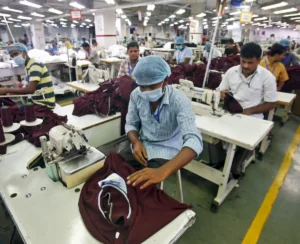
For fashion brands, selecting a style is only the beginning. The design must be converted into accurate patterns, graded sizes, approved materials and repeatable production standards. A strong development process normally includes technical packs, material selection, prototype sampling, fitting, revisions, pre-production approval and quality checks.
Brands should define the target customer, climate, retail price and expected order quantity before development. These factors affect leather thickness, lining, hardware, construction and finishing. A heavy cowhide double rider and a soft lambskin blazer cannot be sourced through exactly the same material and production decisions.
Consistency is especially important in black leather. Panels should be matched for shade, grain and thickness. Stitch density, zip operation, pocket symmetry, lining attachment and measurement tolerance should be inspected. Responsible buyers may also require documentation related to chemical management, workplace practices and material traceability.
For brands seeking a B2B partner, Hamid Leather Ltd manufactures leather garments and leather goods in Pakistan for international customers. Working directly with an experienced manufacturer can help a brand develop custom designs, refine specifications and maintain quality from sampling through bulk production.
Final Thoughts
The most popular black leather jacket styles remain successful because each offers a different balance of history, function and fashion. The biker is bold and iconic. The bomber is comfortable and versatile. The café racer is clean and refined. Aviators and shearling jackets provide warmth, while blazers, overshirts and minimalist designs bring leather into modern wardrobes. Cropped, oversized and puffer styles show how the category continues to evolve.
If you would like to compare leather types, understand quality, choose the correct fit and make a more informed purchase, read our complete guide to black leather jackets.
Rather than choosing only by trend, consider fit, climate, leather type and the occasions on which the jacket will be worn. A thoughtfully selected black leather jacket should feel natural in your wardrobe and become more personal with time. For brands, the same principle applies: the strongest collection is not the one with the most designs, but the one whose styles, materials and construction match the needs of its customers.
Frequently Asked Questions
What is the most classic black leather jacket style?
The asymmetrical biker or double-rider jacket is generally considered the most iconic style. Its broad lapels, diagonal zip and metal hardware are immediately recognisable. The bomber and café racer are also established classics with broad appeal.
Which black leather jacket is the most versatile?
A café racer is one of the most versatile choices because it has a clean shape and limited hardware. A simple bomber or Harrington-style leather jacket is also easy to wear with both casual and smart-casual outfits.
What type of black leather jacket is best for winter?
Shearling-lined aviators, insulated bombers and leather puffer jackets offer the most warmth. The best choice depends on the local climate, lining material and the amount of room available for layering.
Are biker jackets and moto jackets the same?
Not exactly. A classic biker usually has recognisable functional details such as an asymmetrical zip and broad lapels. “Moto jacket” is a wider fashion term covering designs influenced by motorcycle wear, including straight-zip jackets and styles with quilted or padded panels.
Should a black leather jacket fit tightly?
A fitted jacket should sit close without restricting movement or pulling strongly at the zip. Bombers, aviators and oversized styles require more room. The intended silhouette is more important than simply choosing the tightest possible size.
Which leather is best for a black leather jacket?
Cowhide is a strong option for structured and rugged jackets. Goatskin combines durability with flexibility, while sheepskin and lambskin are softer and lighter. The best choice depends on the jacket style, required durability, comfort and budget.
Can a black leather jacket be worn for formal occasions?
Traditional biker jackets are usually casual, but a clean café racer, minimalist jacket or leather blazer can work in some smart-casual and creative professional settings. It should be paired with restrained clothing and polished footwear.
Do black leather jackets go out of style?
Core designs such as bikers, bombers and café racers have remained relevant for decades. Details and proportions change with fashion, but a well-made jacket with balanced styling is unlikely to look outdated quickly.
How long can a quality black leather jacket last?
Its lifespan depends on leather quality, construction, frequency of wear, climate and care. A well-made genuine leather jacket that is stored and maintained properly can remain wearable for many years.
Can fashion brands customise black leather jacket styles?
Yes. Brands can customise the leather type, thickness, fit, lining, hardware, pockets, stitching, labels and finishing. A clear technical pack and sample-development process help translate the design into reliable bulk production.