A black leather jacket is more than a seasonal fashion item. When it is made from good-quality leather and constructed properly, it can remain part of a wardrobe for many years. However, one of the most common questions buyers ask is: how much should a quality black leather jacket cost?
There is no single correct price because the cost of a black leather jacket depends on several factors. Leather type, leather grade, jacket design, hardware, lining, craftsmanship, manufacturing location, brand positioning, and retail margins can all influence the final price.
A simple fashion leather jacket may cost much less than a premium full-grain cowhide biker jacket, while luxury designer jackets can cost several times more even when similar materials are used.
For consumers, understanding what influences the price makes it easier to determine whether a jacket offers good value. For retailers, wholesalers, and fashion brands, the same knowledge is important when comparing manufacturers and sourcing black leather jackets in bulk.
This guide explains the main price categories, what affects the cost of a quality black leather jacket, and what buyers should look for before spending their money.
What Is the Average Cost of a Quality Black Leather Jacket?
The price of a black leather jacket can vary significantly depending on the material and construction.
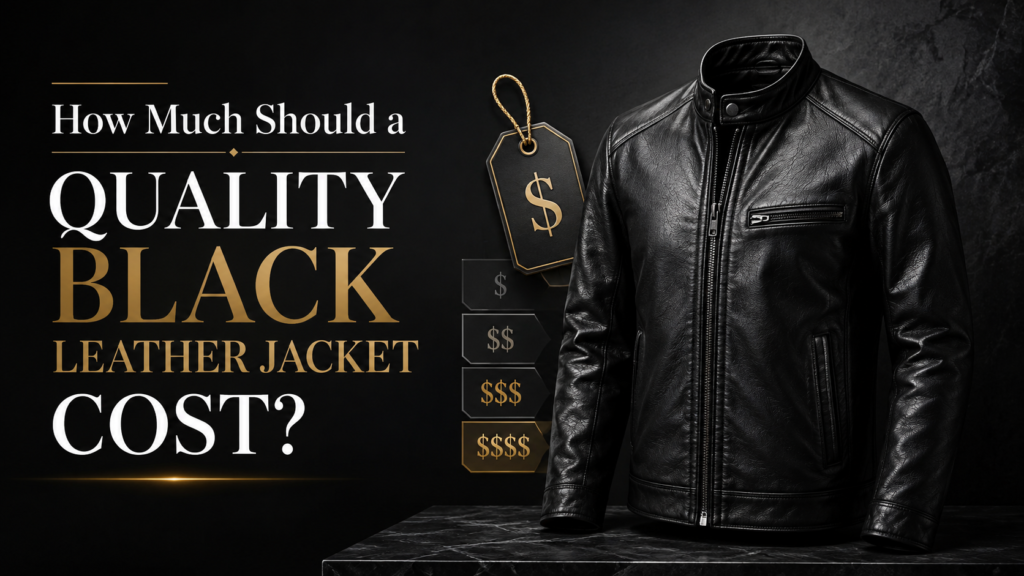
As a general guide, leather jackets can be divided into several broad price categories:
- Budget range: Lower-priced jackets often use split leather, heavily corrected leather, thinner materials, basic hardware, or simplified construction.
- Mid-range: These jackets may use better-quality genuine leather, cowhide, sheepskin, or goatskin with improved stitching and hardware.
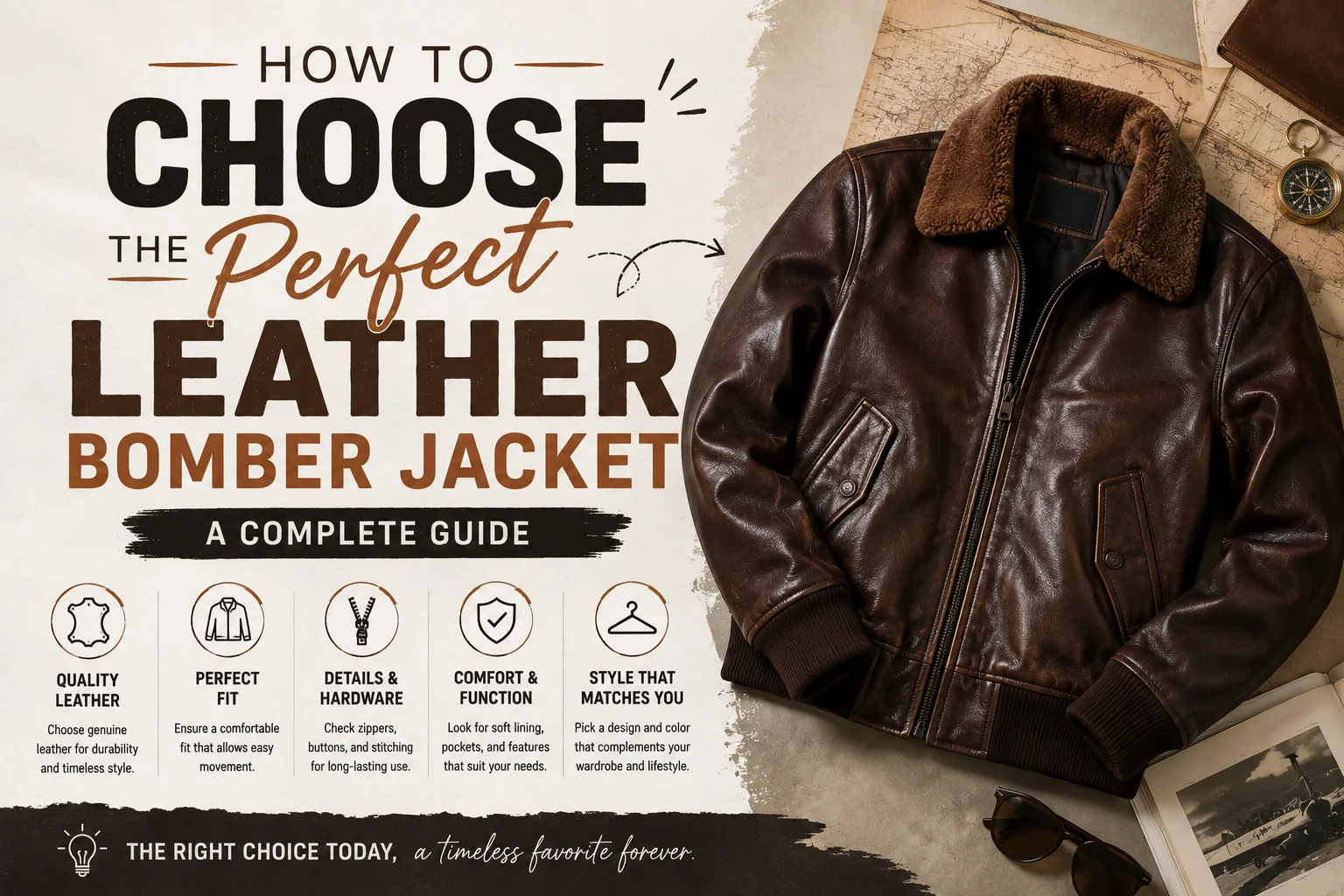
- Premium range: Premium black leather jackets often use full-grain or high-quality top-grain leather, stronger hardware, detailed construction, and better finishing.
- Luxury range: Luxury jackets can cost substantially more because of brand reputation, designer labels, exclusive materials, limited production, and premium retail positioning.
The final retail price does not always reflect leather quality alone.
A highly recognized luxury label may sell a leather jacket for considerably more than a smaller brand using comparable materials.
For this reason, consumers should evaluate the jacket itself instead of assuming that a higher price automatically means better quality.
What Determines the Price of a Black Leather Jacket?
Several factors contribute to the final cost.
Understanding them can help buyers compare jackets more accurately.
1. Type of Leather
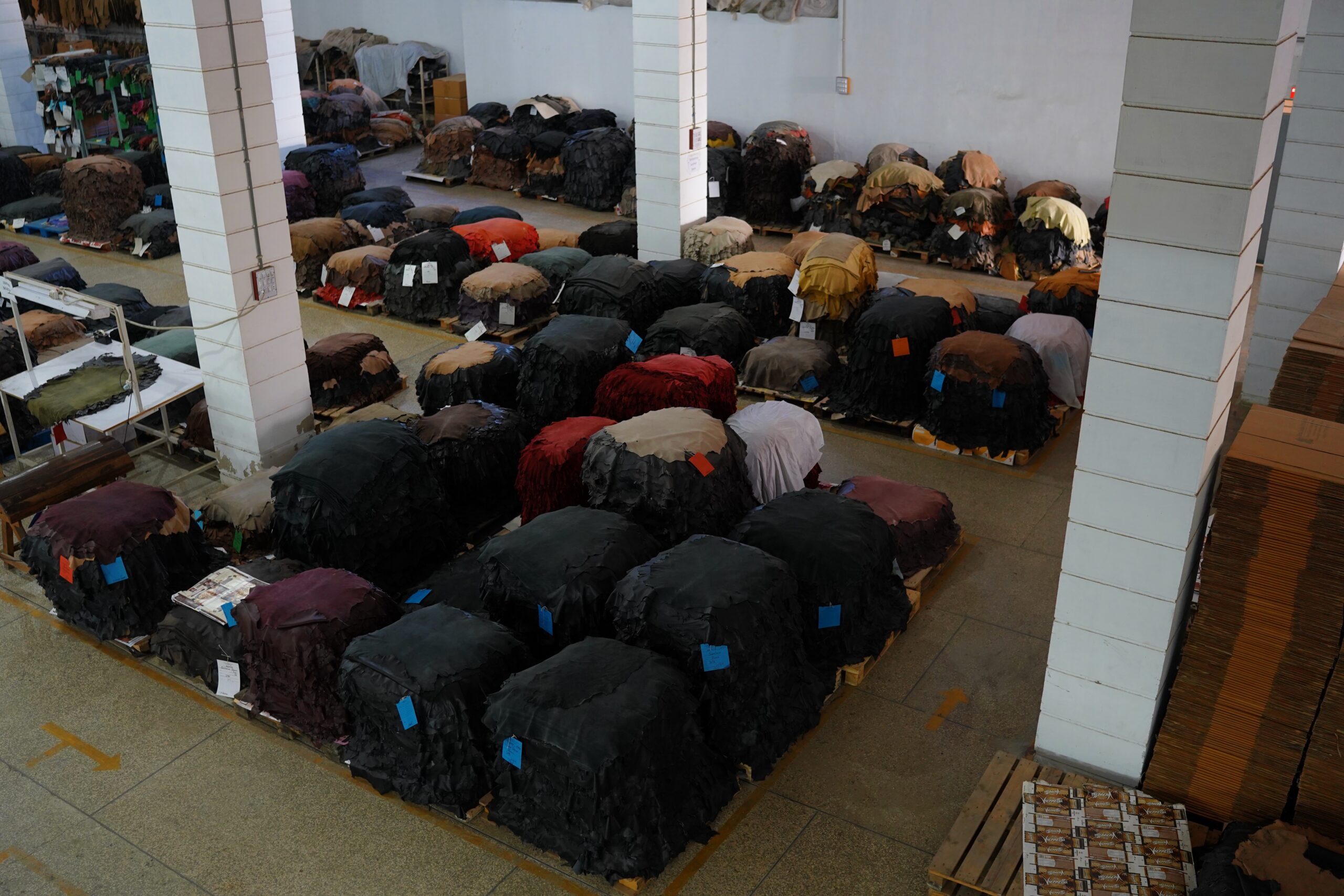
The type of leather is one of the most important factors affecting price.
Different animal hides have different characteristics, availability, and processing requirements.
Cowhide
Cowhide is popular for black leather jackets because it is strong, durable, and structured.
It is commonly used for:
- Biker jackets
- Motorcycle-inspired jackets
- Bomber jackets
- Heavy casual outerwear
High-quality cowhide can cost more than lower-grade leather, particularly when manufacturers select hides with fewer defects and more consistent grain.
Lambskin
Lambskin is softer, lighter, and more luxurious than many heavier leathers.
It is commonly used for premium fashion jackets because of its smooth feel and flexibility.
A lambskin jacket may cost more because high-quality lamb hides require careful selection and processing.
Sheepskin
Sheepskin provides softness, flexibility, and comfort.
It is often used in lightweight fashion jackets as well as warmer shearling-inspired garments.
The final cost depends on hide quality and finishing.
Goatskin
Goatskin offers good strength while remaining relatively flexible.
It has a naturally distinctive grain and is commonly used for bomber jackets and vintage-inspired designs.
2. Leather Grade
Leather grade can have a major influence on price.
Full-Grain Leather
Full-grain leather retains the natural outer grain of the hide.
It is generally valued for:
- Strong fibre structure
- Natural appearance
- Durability
- Ability to develop character over time
Because manufacturers must select higher-quality hides when much of the natural surface remains visible, full-grain leather jackets are often positioned in premium categories.
Top-Grain Leather
Top-grain leather is lightly corrected to create a more uniform appearance.
It can still provide excellent durability and is widely used in high-quality fashion jackets.
Top-grain leather may sometimes be more suitable for brands that require consistent colour and texture across larger production quantities.
Split Leather
Split leather comes from lower layers of the hide.
It can be coated or finished to create a smoother appearance.
It is generally less expensive than premium full-grain or top-grain leather and is often used for lower-priced products.
3. Leather Thickness
Leather thickness also affects jacket price.
Heavier leather requires more raw material and can be more difficult to cut and manufacture.
Thick cowhide is commonly used for rugged biker and motorcycle-inspired jackets.
Lightweight lambskin or sheepskin may use thinner leather to create a softer and more flexible garment.
However, thicker does not always mean higher quality.
The leather thickness should match the jacket’s intended purpose.
A premium lightweight fashion jacket may intentionally use thinner leather.
4. Jacket Design
A complicated jacket requires more labour than a simple design.
For example, a basic racer jacket may contain:
- Front zipper
- Two pockets
- Simple collar
- Minimal panels
A detailed biker jacket might include:
- Asymmetric zipper
- Multiple zipper pockets
- Belt
- Metal snaps
- Epaulettes
- Additional leather panels
- Decorative stitching
Every additional component increases cutting, stitching, hardware, and assembly requirements.
As a result, detailed designs usually cost more to manufacture.
5. Hardware Quality
Hardware is an important but sometimes overlooked part of leather jacket pricing.
Zippers, snaps, buckles, buttons, and other metal components can vary significantly in quality.
Premium jackets usually require hardware that:
- Operates smoothly
- Feels substantial
- Resists corrosion
- Remains secure
- Matches the overall garment design
Cheap hardware can reduce manufacturing costs, but it can also shorten the useful life of the jacket.
A broken zipper can make an otherwise good leather jacket frustrating to wear.
6. Lining Quality
The lining affects comfort, insulation, durability, and overall appearance.
Lower-cost jackets may use basic polyester linings.
Premium garments may use:
- Better-quality polyester
- Satin-type linings
- Cotton blends
- Quilted linings
- Custom printed lining
- Insulated materials
Customized lining can also increase production costs for private-label fashion brands.
7. Stitching and Construction
Leather jacket construction requires skill.
Unlike ordinary fabric, leather retains visible needle holes after stitching.
This means mistakes can be difficult to repair without affecting appearance.
Good manufacturing requires careful:
- Pattern cutting
- Panel matching
- Stitch alignment
- Seam construction
- Pocket placement
- Collar construction
- Sleeve attachment
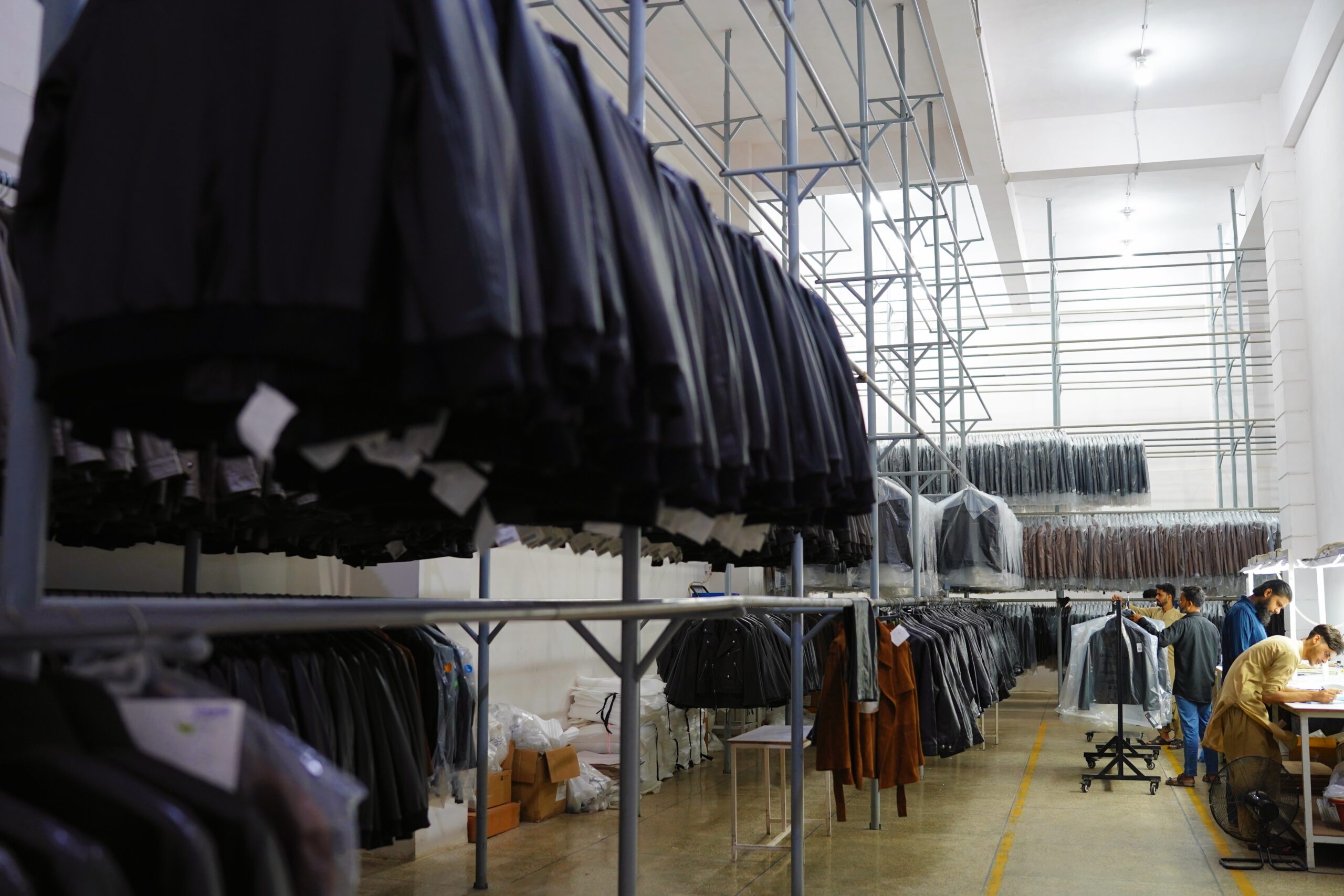
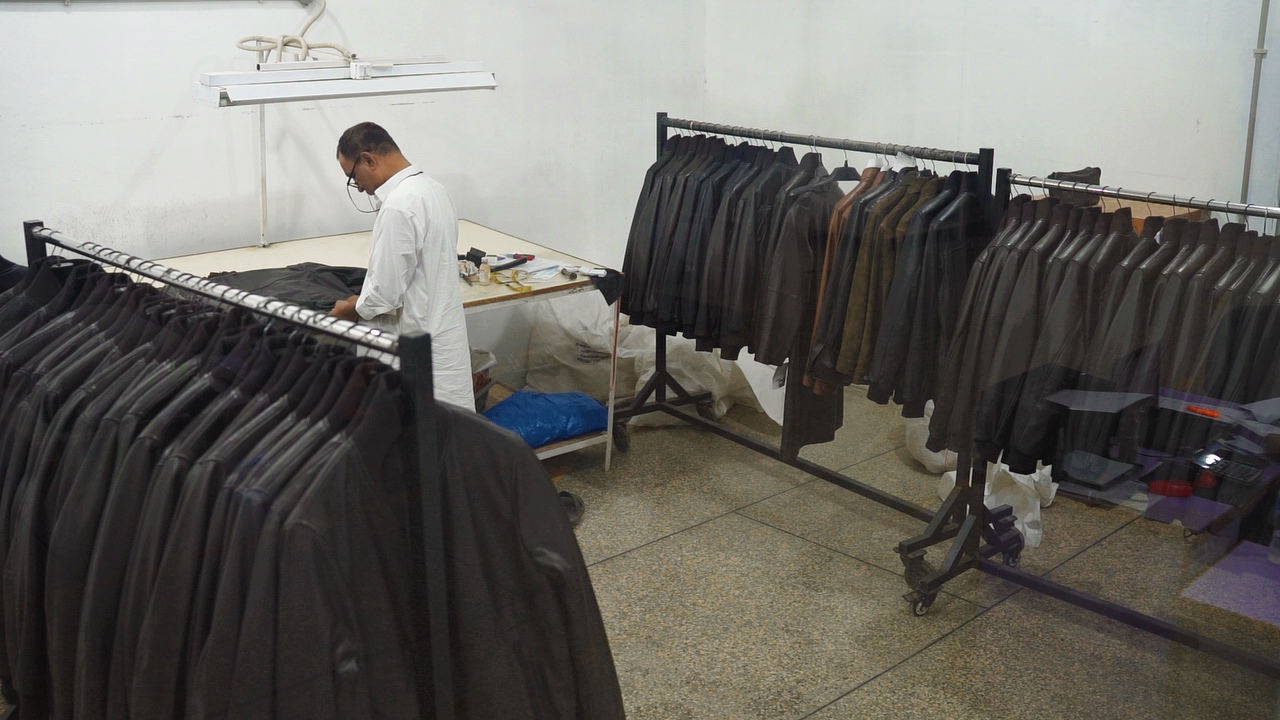
A jacket made by experienced leather garment workers will usually cost more to produce than one manufactured with minimal quality control.
8. Brand Name
Brand reputation can significantly influence retail price.
Two black leather jackets made from similar leather may have dramatically different prices because one is sold by a luxury fashion house and the other by a smaller independent brand.
Luxury companies may charge more because customers are also paying for:
- Brand reputation
- Marketing
- Designer identity
- Retail locations
- Packaging
- Limited availability
A high retail price therefore does not necessarily mean the raw leather itself costs substantially more.
Is a Cheap Black Leather Jacket Worth Buying?
A lower-priced leather jacket is not automatically a bad purchase.
It depends on what the buyer expects from the garment.
Someone wanting an affordable fashion jacket for occasional use may not need premium full-grain leather.
However, buyers should be cautious when a jacket is advertised as premium leather at an unusually low price.
Cost-saving measures may include:
- Lower leather grades
- Split leather
- Thin lining
- Basic zippers
- Simplified stitching
- Less detailed quality control
Consumers should therefore evaluate specifications rather than relying entirely on marketing terms.
How Much Should You Spend on Your First Black Leather Jacket?
First-time buyers should focus more on value than on finding the cheapest or most expensive option.
A good first jacket should have:
- Real leather suitable for its purpose
- Reliable zippers
- Consistent stitching
- Comfortable lining
- Correct fit
- Versatile styling
A classic bomber, biker, or racer jacket is usually easier to wear repeatedly than an extremely trend-focused design.
Buying a versatile style can provide better long-term value because it can be used across more outfits and occasions.
Is a More Expensive Leather Jacket Always Better?
No.
Price and quality often have some relationship, but they are not identical.
An expensive leather jacket may cost more because of branding, marketing, designer reputation, or retail positioning.
Meanwhile, a less expensive jacket sourced directly from an experienced manufacturer may offer similar construction quality without the same luxury markup.
The best approach is to inspect:
- Leather type
- Leather grade
- Stitching
- Hardware
- Lining
- Fit
- Finishing
- Manufacturer reputation
These details provide a better indication of quality than price alone.
How to Know Whether a Leather Jacket Is Worth the Price
Before buying, examine the overall garment.
Check the Leather
The leather should feel natural and appropriate for the advertised material.
Full-grain leather may contain natural grain variation, while corrected leather usually appears more uniform.
Inspect the Stitching
Look around:
- Shoulders
- Sleeves
- Pockets
- Zippers
- Cuffs
- Collar
Stitches should be reasonably straight and consistent.
Test the Zippers
Open and close the zippers several times.
They should move smoothly without catching.
Examine the Lining
The lining should sit correctly inside the jacket without pulling or twisting.
Evaluate the Fit
Even an expensive jacket is poor value if it does not fit properly.
The shoulders, chest, sleeve length, and body length should suit the wearer.
Black Leather Jacket Cost for Fashion Brands
Fashion brands evaluate leather jacket costs differently from individual consumers.
Wholesale pricing is affected by factors such as:
- Order quantity
- Leather selection
- Jacket design
- Hardware
- Lining
- Custom labels
- Packaging
- Sampling
- Shipping
- Quality requirements
The cost per jacket can often change depending on production volume.
Larger production runs may allow certain costs to be distributed across more units.
However, brands should avoid selecting suppliers purely because they offer the lowest quotation.
An extremely low manufacturing price may create problems with leather consistency, sizing, stitching, or production quality.
Why Samples Matter Before Bulk Orders
A sample provides a much clearer understanding of product value than a quotation alone.
Before ordering hundreds of jackets, buyers should examine a finished sample for:
- Leather quality
- Thickness
- Colour
- Fit
- Pattern accuracy
- Hardware
- Lining
- Stitching
- Finishing
If the sample does not meet expectations, adjustments can be made before bulk production.
This can save considerably more money than correcting problems after an entire order has been completed.
How Customisation Affects Black Leather Jacket Cost
Private-label fashion brands often customize their jackets.
Possible customizations include:
- Custom patterns
- Brand labels
- Hangtags
- Embroidery
- Custom lining
- Special zippers
- Custom hardware
- Printed logos
- Packaging
- Special leather finishes
Each additional requirement may increase manufacturing costs.
Brands should therefore distinguish between features that genuinely improve the product and unnecessary details that increase cost without adding significant customer value.
Why Manufacturer Selection Matters
A good leather manufacturer should be able to explain why a particular jacket costs what it does.
The supplier should provide clear information about:
- Leather type
- Leather grade
- Thickness
- Construction
- Hardware
- Lining
- Customization
- MOQ
- Production schedule
Businesses looking to source leather garments can explore Hamid Leather Ltd for information about leather manufacturing, product development, and B2B leather solutions.
Choosing an experienced leather manufacturer can help brands create the correct balance between price, quality, design, and production requirements.
How Retailers Should Set Leather Jacket Prices
Retail pricing involves more than simply adding a percentage to manufacturing cost.
Retailers may need to account for:
- Product cost
- International shipping
- Customs charges
- Warehousing
- Packaging
- Marketing
- Payment processing
- Returns
- Website costs
- Retail operations
- Profit margin
This explains why a jacket’s retail price can be considerably higher than its factory cost.
Brands should calculate these expenses carefully before placing bulk orders.
A product that appears profitable based only on manufacturing cost may become much less profitable once logistics and marketing expenses are included.
Common Mistakes When Comparing Leather Jacket Prices
One of the biggest mistakes buyers make is comparing two jackets only by price.
A cheaper quotation may use completely different materials.
For example, one supplier may quote a jacket using full-grain cowhide with premium hardware, while another uses corrected split leather and basic zippers.
The products may look similar in a photograph but are not directly comparable.
Other common mistakes include:
- Ignoring leather thickness
- Not checking lining quality
- Assuming all genuine leather is equal
- Ignoring hardware
- Ordering without samples
- Choosing the cheapest supplier
- Ignoring production consistency
Before focusing on price, buyers should ensure they are comparing products with similar specifications.
When Is Paying More Worth It?
Paying more can make sense when the additional cost provides meaningful improvements.
Examples include:
- Better leather
- Stronger hardware
- Superior stitching
- Better pattern construction
- Improved lining
- More comfortable fit
- Higher-quality finishing
Paying substantially more only for branding may make less sense for buyers primarily interested in material quality and durability.
The decision ultimately depends on what the customer values.
How Long Can a Quality Black Leather Jacket Last?
A well-made leather jacket can remain wearable for many years when properly maintained.
Its lifespan depends on:
- Leather quality
- Construction
- Frequency of use
- Storage
- Exposure to moisture
- Cleaning methods
- Conditioning
- Repairs
Durability is one reason a higher initial price can sometimes provide better long-term value.
For example, replacing several inexpensive jackets over a number of years may ultimately cost more than purchasing one well-made jacket and maintaining it properly.
Final Thoughts
So, how much should a quality black leather jacket cost?
There is no universal figure.
The correct price depends on the leather type, leather grade, design, construction, lining, hardware, manufacturing quality, brand positioning, and intended use.
Instead of assuming that the cheapest jacket offers the best deal or that the most expensive jacket must be superior, buyers should examine what they are actually receiving for the price.
Look closely at leather quality, stitching, hardware, lining, pattern construction, fit, and finishing.
For individual buyers, the best value usually comes from purchasing a jacket that combines suitable leather with reliable construction and a versatile style.
For retailers and fashion brands, value depends on finding a manufacturer capable of producing consistent quality at a commercially sustainable price.
A quality black leather jacket should ultimately justify its cost through material quality, craftsmanship, comfort, durability, and long-term wearability.