A black leather jacket is an investment in style, durability and long-term wear. Whether you own a classic biker jacket, bomber jacket, aviator style or contemporary leather outerwear, proper storage plays a major role in determining how long the garment maintains its original shape and appearance.
Leather is very different from cotton, polyester or other common clothing materials. It is a natural material that reacts to heat, humidity, sunlight, moisture and pressure. Incorrect storage can cause leather to become dry, cracked, creased, mouldy or faded.
This is why knowing how to store a black leather jacket properly is just as important as knowing how to clean and condition it.
Simply throwing a leather jacket into a wardrobe or folding it inside a storage box may eventually damage the garment. Instead, leather should be stored in a cool, dry and ventilated environment where it can retain its natural shape and flexibility.
In this complete guide, we will explain how to store a black leather jacket safely, which hangers and garment bags to use, how to prevent mould and wrinkles, what conditions to avoid and how businesses and retailers can protect leather garments during long-term storage.
Why Proper Leather Jacket Storage Matters
Leather is durable, but durability does not mean it is indestructible.
The material contains natural oils that help maintain softness and flexibility. Environmental conditions can gradually remove these oils or alter the leather’s structure.
Poor storage may result in:
- Permanent creases
- Cracking
- Dryness
- Colour fading
- Mould
- Unpleasant odours
- Misshapen shoulders
- Damaged linings
- Rusted hardware
- Surface scratches
Many of these problems develop slowly.
A jacket may appear perfectly fine when placed in storage but show visible damage several months later.
Good storage reduces these risks and helps preserve the leather’s structure.
What Is the Best Way to Store a Black Leather Jacket?
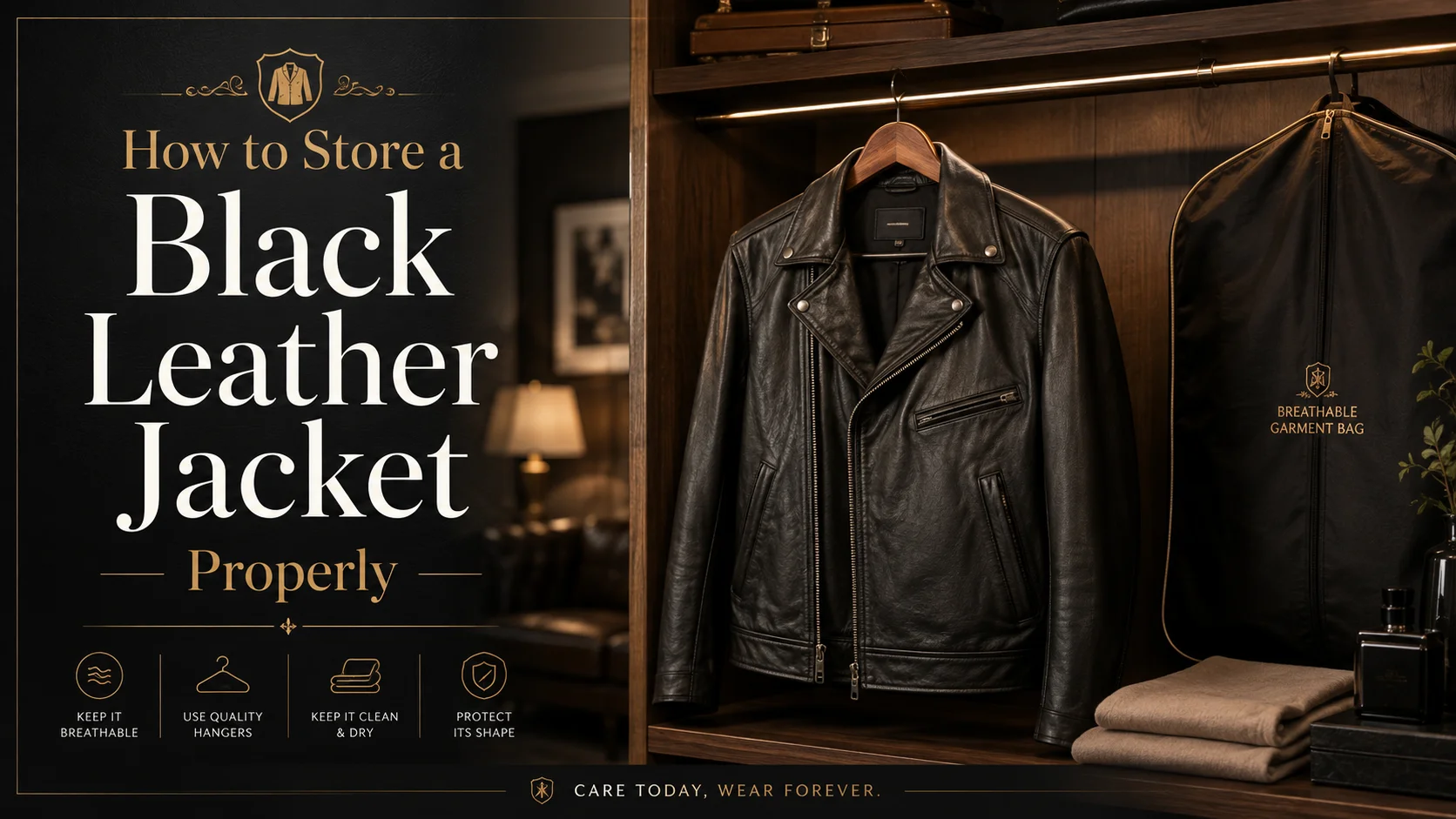
The best way to store a black leather jacket is to hang it on a wide, supportive hanger inside a cool, dry and well-ventilated wardrobe.
For additional dust protection, use a breathable cotton garment bag.
Avoid:
- Plastic bags
- Direct sunlight
- Damp rooms
- Heaters
- Tight wardrobes
- Thin wire hangers
- Long-term folding
The jacket should have enough space to hang naturally without being pressed against other garments.
This basic approach can significantly extend the life of genuine leather.
Step-by-Step Guide: How to Store a Black Leather Jacket Properly
If you plan to store your jacket for several weeks or months, follow these steps carefully.
Step 1: Clean the Jacket Before Storage
Never store a visibly dirty leather jacket for a long period.
Dust, sweat, body oils and environmental pollutants can remain on the leather and become more difficult to remove later.
Before storage:
- Wipe the jacket gently using a clean microfiber cloth.
- Inspect the collar and cuffs.
- Remove surface dirt.
- Check the lining.
- Deal with stains if necessary.
Avoid aggressively scrubbing leather.
If significant stains are present, use a specialist leather cleaner or professional leather-cleaning service.
Step 2: Make Sure the Jacket Is Completely Dry
Leather should never be stored while damp.
Moisture trapped inside a wardrobe or garment bag can encourage mould and unpleasant smells.
If the jacket has recently been exposed to rain, allow it to dry naturally.
Hang it at room temperature and keep it away from:
- Radiators
- Hair dryers
- Fireplaces
- Direct sunlight
Rapid drying can remove moisture too quickly and make leather stiff.
Only place the jacket into long-term storage once both the leather and lining are completely dry.
Step 3: Condition the Leather if Necessary
If the leather feels dry before long-term storage, applying a small amount of suitable leather conditioner may help preserve flexibility.
However, conditioning should not automatically be done every time you store a jacket.
Excessive conditioning can make leather oily or overly soft.
Look for signs such as:
- Dry texture
- Stiffness
- Fine surface lines
- Rough patches
If conditioning is required, apply a thin, even layer and allow it to fully absorb before storing the jacket.
Choose the Right Hanger
The hanger you use has a surprisingly important effect on leather jacket storage.
Leather jackets can be heavier than ordinary clothing, particularly those made from cowhide or thick full-grain leather.
A thin hanger may not provide enough support.
Use a Wide Wooden Hanger
A wide wooden hanger is usually one of the best options.
It supports the shoulder area and helps maintain the original shape of the garment.
Look for a hanger with:
- Broad shoulders
- Strong construction
- Smooth edges
- Proper jacket width
The hanger should roughly follow the jacket’s natural shoulder shape.
Padded Hangers
A padded hanger can also be suitable, particularly for softer leather such as lambskin or sheepskin.
Padding reduces pressure points around the shoulders.
Avoid Wire Hangers
Wire hangers should generally be avoided.
They can:
- Create shoulder bumps
- Stretch leather in small areas
- Distort the garment
- Provide insufficient support
For long-term storage, choose a strong hanger designed for jackets or coats.
Should You Fold a Leather Jacket?
For long-term storage, folding is not recommended.
Leather can develop creases when compressed for extended periods.
Some mild folds may gradually disappear once the jacket is worn again, but deep creases can become difficult to remove.
Therefore:
Hang leather jackets whenever possible.
Short-term folding during travel is usually acceptable if done carefully.
However, storing a leather jacket folded for several months should be avoided.
What If You Have No Space to Hang the Jacket?
If hanging is absolutely impossible, you can temporarily store the jacket folded.
Follow these precautions:
- Clean and dry the jacket.
- Zip or fasten it loosely.
- Lay it flat.
- Fold the sleeves naturally across the body.
- Avoid creating sharp folds.
- Place soft acid-free tissue paper between folded areas.
- Store it inside a breathable container.
- Avoid placing heavy items on top.
Check the jacket periodically and refold it differently to prevent permanent crease lines.
Hanging remains the preferred method.
Should a Leather Jacket Be Stored in a Garment Bag?
Yes, particularly during long-term storage.
However, the type of garment bag is important.
Use Breathable Fabric
Choose a:
- Cotton garment bag
- Breathable fabric cover
- Natural cloth garment protector
These protect the jacket from dust while still allowing airflow.
Avoid Plastic Garment Bags
Plastic can trap humidity.
If moisture remains inside, it can create an environment where mould and mildew develop.
This is especially important in humid climates.
Plastic may also stick to leather finishes during prolonged storage.
Therefore, breathable protection is safer.
How Much Space Should Be Around the Jacket?
Do not squeeze a leather jacket tightly between other clothes.
Compression can:
- Flatten the leather
- Create wrinkles
- Bend collars
- Damage shoulders
- Reduce airflow
Ideally, leave several centimetres of space around the garment.
The jacket should hang naturally without touching rough surfaces.
Good airflow is especially important in humid environments.
What Temperature Is Best for Leather Jacket Storage?
Leather performs best in moderate temperatures.
Extremely hot environments can cause the leather to dry out.
Very cold or damp environments can create different problems.
A normal indoor room temperature is generally suitable.
Avoid storing leather jackets:
- In attics
- Beside boilers
- Near radiators
- Inside hot vehicles
- In direct sunlight
- Beside heating vents
Temperature stability is more important than achieving a precise number.
How Humidity Affects Leather Jackets
Humidity is one of the most important environmental factors in leather storage.
Excessive Humidity
High humidity can encourage:
- Mould
- Mildew
- Odours
- Moisture absorption
This is particularly common in poorly ventilated wardrobes and storage rooms.
Extremely Dry Conditions
Very dry environments can remove moisture from leather.
Over time, this may cause:
- Stiffness
- Dry texture
- Cracking
Therefore, leather should ideally be stored in a balanced environment rather than somewhere extremely damp or dry.
How to Prevent Mould on a Black Leather Jacket
Mould can severely affect leather.
It commonly appears when jackets are stored in:
- Damp rooms
- Closed cupboards
- Basements
- Plastic bags
- Humid environments
To reduce mould risk:
Make Sure the Jacket Is Dry
Never put damp leather into storage.
Improve Airflow
Avoid overcrowding the wardrobe.
Use Breathable Covers
Choose cotton rather than plastic.
Inspect the Jacket Regularly
If you are storing it for several months, check it occasionally.
Control Humidity
If your home has persistent humidity problems, using appropriate moisture-control methods may help.
However, do not place strong drying agents directly against leather.
How to Protect Black Leather from Fading During Storage
Black leather can gradually fade when exposed to strong sunlight.
Ultraviolet rays affect leather pigments and may eventually create dull grey or brown areas.
Store the jacket:
- Inside a wardrobe
- Away from windows
- Away from direct sunlight
Do not leave a leather jacket hanging on the back of a chair beside a sunny window for weeks.
Sunlight may also dry the leather, increasing the risk of cracking.
A dark storage location protects both colour and moisture levels.
Protect the Jacket from Heat
Heat is another major enemy of leather.
Never store your leather jacket near:
- Radiators
- Boilers
- Fireplaces
- Heaters
- Heating vents
- Hot machinery
Excessive heat can gradually remove oils from the leather.
The jacket may eventually become:
- Dry
- Stiff
- Brittle
Storage temperature should remain moderate and relatively stable.
Should You Zip a Leather Jacket Before Storing It?
Partially or fully fastening a jacket can help maintain its shape.
However, do not force zippers or buttons.
A practical approach is to:
- Empty the pockets.
- Straighten the lining.
- Close the main zipper naturally.
- Position the collar correctly.
- Hang the jacket evenly.
Fastening the jacket prevents one side from hanging differently from the other.
Empty All Pockets Before Storage
Leaving objects inside pockets can stretch the leather.
Before storing the jacket, remove:
- Keys
- Wallets
- Coins
- Earphones
- Receipts
- Sunglasses
- Pens
Heavy items can distort pocket shapes.
Pens and cosmetics may also leak.
Empty pockets help preserve the garment’s natural structure.
Protect the Zippers and Metal Hardware
Leather jackets frequently include:
- Metal zippers
- Buttons
- Buckles
- Snaps
- Decorative hardware
Before storage, check that these components are clean and dry.
Moist environments can cause certain metals to tarnish or corrode.
Avoid applying leather conditioner directly onto metal hardware unless the product specifically allows it.
How to Store Different Types of Black Leather Jackets
Different leather types require slightly different levels of care.
Cowhide Black Leather Jackets
Cowhide is commonly used for motorcycle and biker jackets.
It is relatively thick and strong.
Because cowhide jackets can be heavy, use a sturdy wooden hanger.
Give the garment enough space to prevent shoulder distortion.
Lambskin Black Leather Jackets
Lambskin is softer and more delicate.
Use:
- A wide padded hanger
- Breathable garment protection
- Plenty of wardrobe space
Avoid putting pressure against the surface because lambskin scratches more easily.
Sheepskin Leather Jackets
Sheepskin jackets are generally lightweight and flexible.
If the jacket contains wool or shearling lining, allow even more space around it.
Never compress thick shearling garments tightly.
Full-Grain Leather Jackets
Full-grain leather can be very durable but still benefits from proper storage.
Because natural grain is preserved, environmental conditions may influence how the leather ages.
Keep it away from excessive moisture and heat.
Suede and Nubuck Jackets
Suede and nubuck require different care than smooth leather.
Avoid ordinary leather creams.
Store them in breathable covers and keep them especially well protected from:
- Dust
- Water
- Grease
Special suede brushes can be used to maintain their texture.
How to Store a Leather Jacket During Summer
Many people stop wearing leather jackets during warm months.
Summer storage can last several months, so preparation is important.
Before putting the jacket away:
- Clean it.
- Allow it to dry.
- Check whether conditioning is necessary.
- Empty the pockets.
- Use a strong hanger.
- Place it inside a breathable garment bag.
- Store it in a cool wardrobe.
Do not store a leather jacket in a hot attic during summer.
Temperatures in attic spaces can become extremely high and damage leather.
How to Store a Leather Jacket During Winter
If you live in a warm climate and rarely wear leather during winter, the same general principles apply.
However, heating systems can significantly reduce indoor humidity.
Avoid storing your leather jacket directly beside heaters or radiators.
Check periodically for dryness.
Can You Store a Leather Jacket in a Suitcase?
A suitcase is acceptable for transportation but not ideal for long-term storage.
Suitcases:
- Restrict airflow
- Compress leather
- Encourage folds
- May trap humidity
Once you arrive at your destination, remove the jacket and hang it as soon as possible.
If you must store it in luggage temporarily, avoid placing heavy items on top.
How to Pack a Black Leather Jacket for Travel
If travelling with a leather jacket:
Wear It if Possible
Wearing the jacket eliminates folding.
Use a Garment Bag
For business or air travel, a garment bag can provide good protection.
Fold Carefully
If placing it in a suitcase:
- Zip the jacket.
- Lay it face down.
- Fold sleeves naturally.
- Fold the jacket once at the waist if necessary.
- Place soft clothes around it.
Do not compress it tightly.
After arriving, hang it immediately.
Can You Vacuum-Seal a Leather Jacket?
No.
Vacuum storage is not recommended for leather garments.
Vacuum bags heavily compress the jacket and remove airflow.
This can create:
- Deep wrinkles
- Distortion
- Pressure marks
- Moisture problems
Vacuum bags may be convenient for ordinary textiles but are unsuitable for high-quality leather jackets.
How to Store Vintage Black Leather Jackets
Vintage leather deserves additional attention.
Older leather may already have reduced moisture and flexibility.
Before storage:
- Inspect for cracking.
- Check for mould.
- Evaluate the lining.
- Examine stitching.
- Clean carefully.
- Condition only when appropriate.
Avoid experimenting with aggressive products on valuable vintage garments.
Professional leather restoration may be safer.
Use a padded hanger and breathable cover, and inspect vintage leather periodically.
How Often Should You Check a Stored Leather Jacket?
For long-term storage, checking the jacket every few months is a sensible habit.
Look for:
- Mould
- Dust
- Dryness
- Odour
- Colour changes
- Pest damage
- Creasing
Take the jacket out of the garment bag and allow it to air briefly.
Regular inspection helps identify problems before serious damage occurs.
Should You Air Out a Leather Jacket?
Yes.
Leather benefits from occasional natural ventilation.
After wearing the jacket, avoid immediately placing it inside a closed garment bag.
Allow it to air first, especially if you have been:
- Outdoors
- In rain
- Sweating
- In humid conditions
Once the jacket is dry and fresh, return it to storage.
Avoid Spraying Perfume Directly on Leather
Perfume and body sprays often contain alcohol and other ingredients that can affect leather finishes.
Avoid spraying:
- Perfume
- Cologne
- Deodorant
- Hair spray
directly onto leather.
Apply fragrances before putting the jacket on and allow them to dry.
Chemical residue can create stains or dryness over time.
Keep Leather Away from Sharp Objects
When storing your jacket, make sure it does not touch:
- Metal hooks
- Rough walls
- Exposed screws
- Sharp hangers
- Buckles from other garments
Even durable leather can scratch.
Soft leather such as lambskin requires particular care.
Do Not Cover Leather with Newspaper
Some people use newspaper when storing garments.
This is not recommended for leather.
Printing ink may transfer onto the material, particularly if moisture is present.
If you need packing material, use clean, acid-free tissue paper.
How to Prevent Leather Jacket Odours During Storage
Odours can develop when jackets are stored without ventilation.
Prevent unpleasant smells by:
- Cleaning before storage
- Drying completely
- Using breathable covers
- Maintaining airflow
- Avoiding damp rooms
Do not spray strong air fresheners directly on leather.
If the jacket develops a persistent odour, professional leather cleaning may be appropriate.
Should You Use Mothballs with Leather Jackets?
Mothballs have a strong smell and contain chemicals that may transfer to garments.
They should not touch leather directly.
If pest protection is necessary, consider safer wardrobe-management practices and follow local product instructions carefully.
Keeping the wardrobe clean is one of the most effective preventative methods.
Why Leather Quality Matters During Storage
The way a jacket responds to long-term storage is partly influenced by how the leather was processed and how the garment was manufactured.
Important factors include:
- Hide quality
- Leather thickness
- Tanning
- Dyeing
- Finishing
- Stitching
- Panel selection
- Lining quality
- Hardware
Premium leather that has been properly tanned and finished generally maintains its structure better than poorly processed materials.
For brands, wholesalers and retailers sourcing leather garments, selecting an experienced manufacturer is therefore important from the beginning.
Businesses looking for leather garment manufacturing can explore Hamid Leather Ltd, a Pakistan-based B2B manufacturer serving international buyers.
Storage Considerations for Leather Retailers and Wholesalers
Storage is not only important for individual consumers.
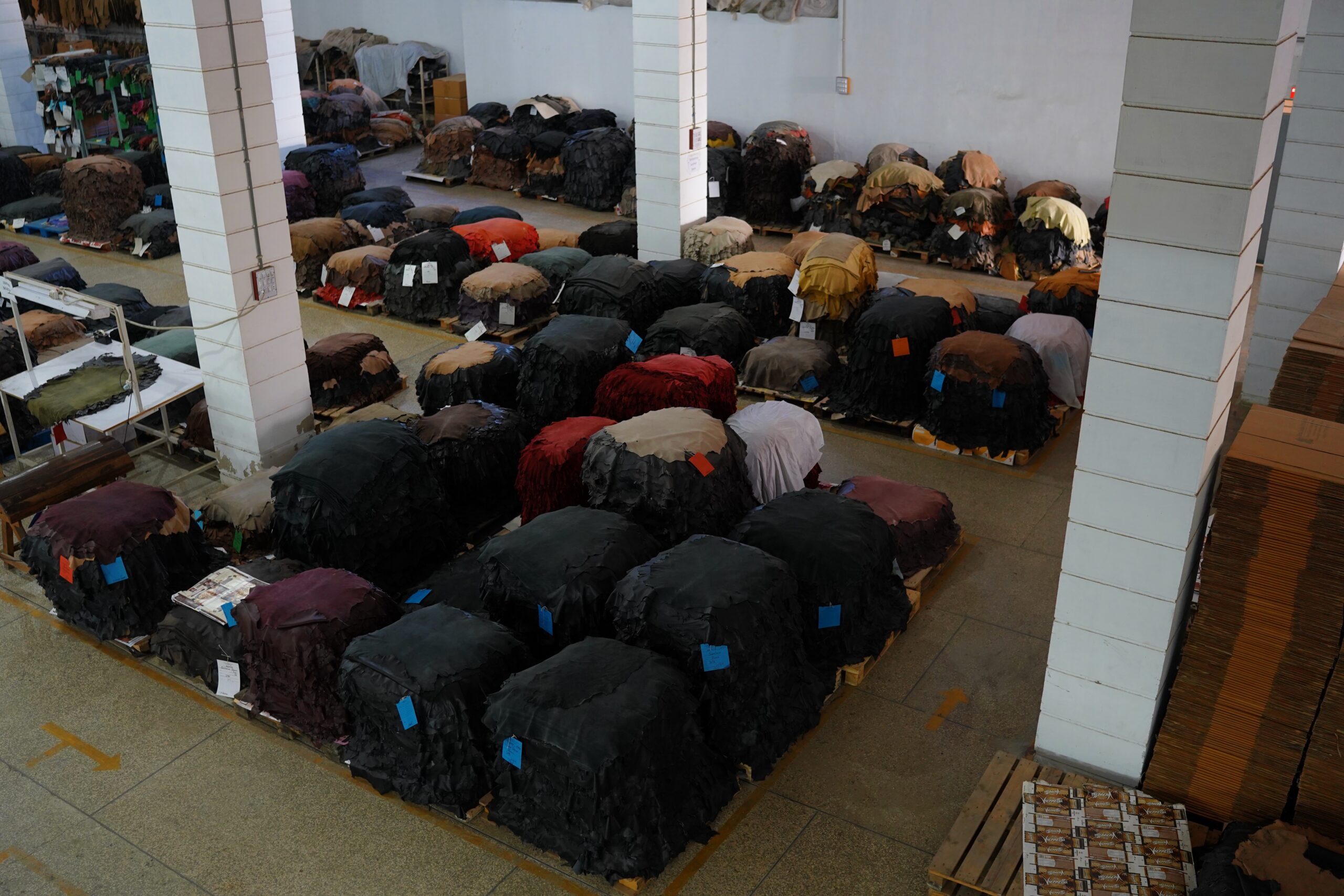
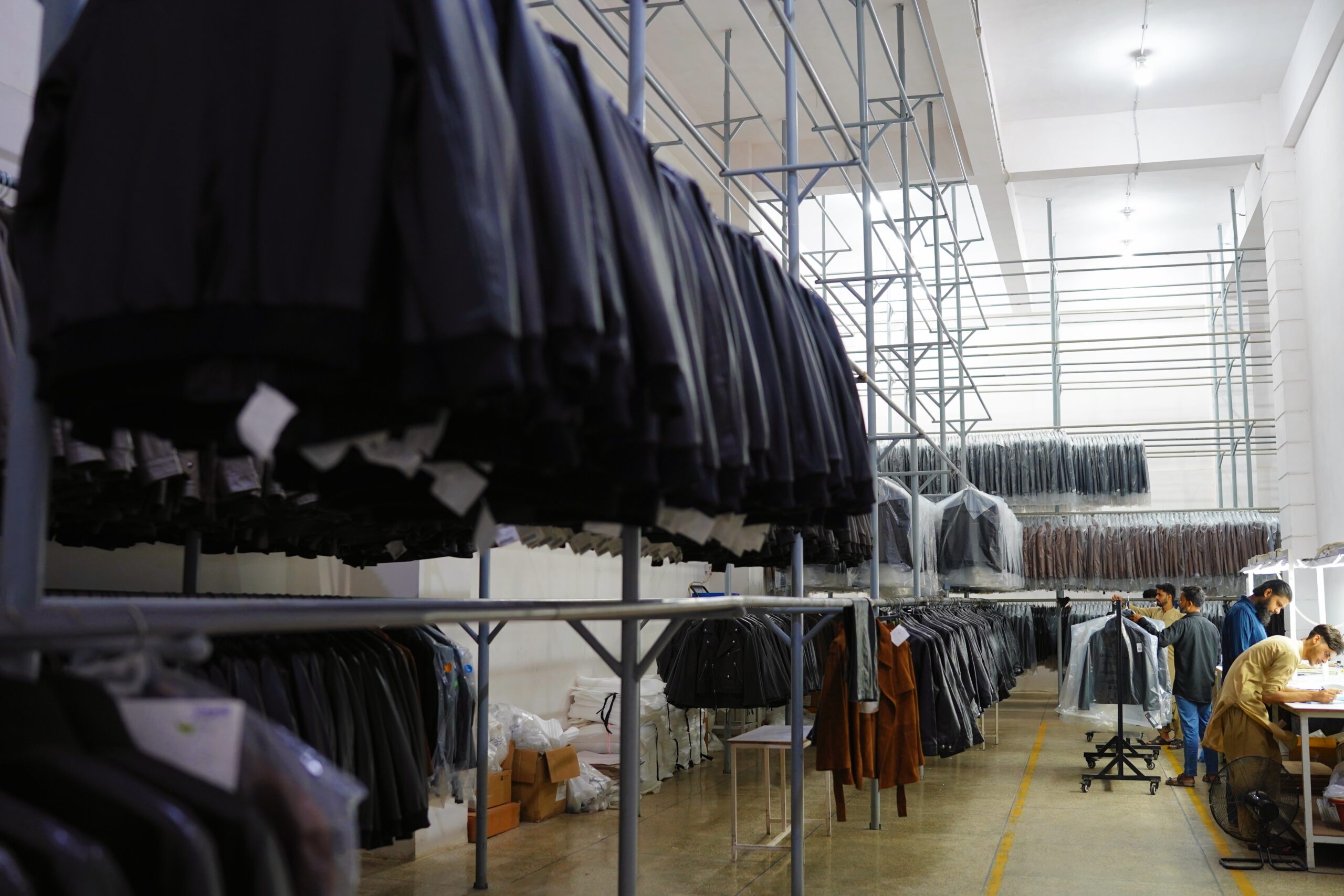
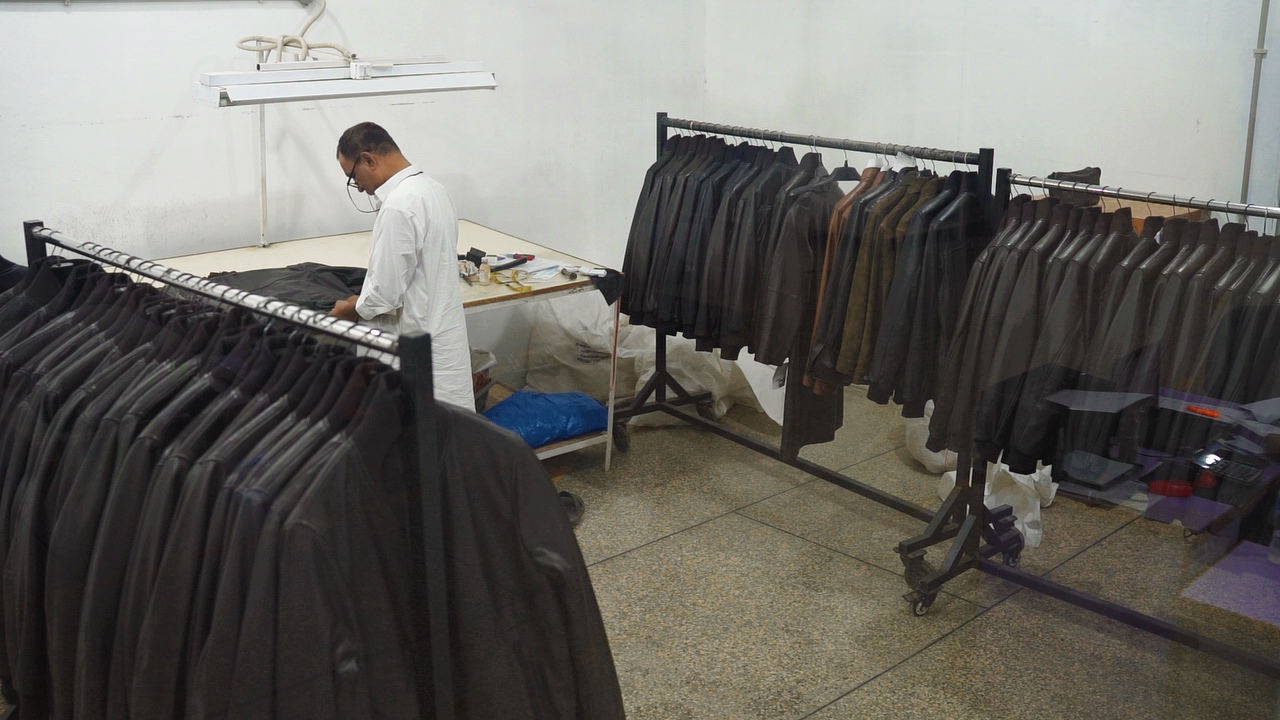
Retailers, wholesalers and fashion brands may store hundreds or thousands of leather garments before they reach customers.
Poor warehouse conditions can affect entire inventories.
B2B leather storage should consider:
- Temperature
- Humidity
- Ventilation
- Garment spacing
- Packaging
- Dust protection
- Light exposure
Avoid Excessive Warehouse Humidity
Warehouses should remain dry and ventilated.
Leather garments packed in humid conditions may develop mould during transportation or storage.
This is particularly important when products are shipped internationally.
Avoid Direct Sunlight
Garments should not remain near large windows for extended periods.
UV exposure may cause uneven fading.
Use Appropriate Packaging
Leather jackets should be packaged carefully so that they remain protected while still avoiding excessive compression.
Retailers should also inspect imported garments shortly after delivery.
Storage During International Shipping
Leather jackets exported internationally may remain in transit for weeks.
Therefore, packaging is an important part of product protection.
Manufacturers and buyers should consider:
- Moisture control
- Correct folding
- Protective layers
- Carton strength
- Ventilation
- Transport conditions
A leather jacket that leaves the factory in excellent condition can still become damaged if packed or stored incorrectly.
This is why professional handling throughout manufacturing, transportation and warehousing is essential.
Common Black Leather Jacket Storage Mistakes
Avoiding common mistakes can dramatically extend the life of your jacket.
Mistake 1: Using a Wire Hanger
Thin hangers can distort shoulders.
Use a broad wooden or padded hanger.
Mistake 2: Storing the Jacket Wet
Damp leather can develop mould.
Always dry it completely first.
Mistake 3: Using Plastic Bags
Plastic can restrict airflow and trap moisture.
Use a breathable garment bag.
Mistake 4: Folding for Months
Long-term folding can create deep creases.
Hang whenever possible.
Mistake 5: Storing Near Heat
Heat can dry leather.
Keep jackets away from radiators and heaters.
Mistake 6: Overcrowding the Wardrobe
Leather requires space.
Compression creates wrinkles and reduces airflow.
Mistake 7: Leaving Items in Pockets
Heavy objects can stretch leather.
Always empty pockets before storage.
Mistake 8: Ignoring the Jacket for Years
Leather should be inspected periodically.
Early maintenance prevents larger problems.
How Long Can a Leather Jacket Stay in Storage?
There is no strict limit.
A properly stored leather jacket can remain in storage for years.
The key is maintaining the correct conditions.
Long-term storage should include:
- A supportive hanger
- Breathable protection
- Controlled moisture
- No direct sunlight
- No excessive heat
- Periodic inspection
The jacket should not simply be forgotten inside a wardrobe.
How to Take a Leather Jacket Out of Long-Term Storage
When you are ready to wear the jacket again:
Step 1: Remove the Garment Bag
Inspect the leather under good lighting.
Step 2: Check for Mould
Look around seams, collar, cuffs and hidden areas.
Step 3: Smell the Jacket
A musty smell may indicate moisture problems.
Step 4: Inspect the Leather
Check for:
- Cracks
- Dry patches
- Stiffness
Step 5: Air the Jacket
Allow it to hang in a ventilated room.
Step 6: Condition if Necessary
If the leather feels dry, apply an appropriate conditioner after patch testing.
Frequently Asked Questions
What is the best way to store a black leather jacket?
Hang it on a broad wooden or padded hanger in a cool, dry and ventilated wardrobe. Use a breathable cotton garment bag for long-term storage.
Can I store a leather jacket in plastic?
Plastic is not recommended for long-term storage because it may trap moisture and restrict airflow.
Should I fold or hang a leather jacket?
Hanging is better. Long-term folding may create deep creases.
Can I store leather in a wardrobe?
Yes. A cool, dry and ventilated wardrobe is one of the best storage locations.
How do I prevent mould on a leather jacket?
Keep the jacket dry, provide good ventilation, avoid plastic bags and control excessive humidity.
Can I vacuum-pack a leather jacket?
No. Vacuum packing can compress the leather and create deep wrinkles.
Should I condition my jacket before storing it?
Only if the leather feels dry. Over-conditioning should be avoided.
What type of hanger should I use?
Use a wide wooden or padded hanger that supports the jacket’s shoulders.
Can sunlight damage black leather?
Yes. Long-term exposure to sunlight can fade the black colour and dry the leather.
How often should I check my stored leather jacket?
Inspecting it every few months during long-term storage is a sensible practice.
Final Thoughts
Understanding how to store a black leather jacket properly is essential if you want the garment to remain attractive, flexible and wearable for many years.
Leather is naturally durable, but it requires the right environment.
The most important rule is to keep the jacket clean, dry and supported.
Hang it on a wide hanger, provide enough wardrobe space and protect it with a breathable garment bag.
Avoid plastic covers, excessive heat, direct sunlight, damp storage areas and long-term folding.
For seasonal storage, prepare the jacket before putting it away and inspect it occasionally throughout the year.
Proper storage is particularly important for premium leather garments because damage caused by mould, deep creasing or excessive dryness can be difficult or expensive to repair.
For B2B buyers, brands and retailers, storage conditions are equally important because proper handling protects product quality between manufacturing, transportation and final sale.
When good leather manufacturing is combined with correct cleaning, conditioning and storage, a quality black leather jacket can remain stylish and functional for many years.