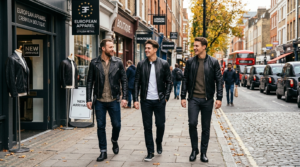
A black leather jacket is more than a piece of outerwear. It is one of those rare wardrobe essentials that can look rugged, refined, rebellious or professional depending on its design and how it is worn. From classic biker jackets and clean café racer styles to warm aviator jackets and versatile leather bombers, there is a black leather jacket for almost every personality, season and purpose.
However, choosing the right jacket is not always simple. Two jackets may look almost identical online but feel completely different in person. The type of leather, hide thickness, lining, hardware, stitching and fit all influence comfort, appearance and durability. A low-priced jacket may suit occasional wear, while a well-made genuine leather jacket can become a long-term part of your wardrobe and develop more character with age.
This complete guide explains the main black leather jacket styles, the materials used to make them, how a good jacket should fit and what to examine before buying. It also covers care, storage, seasonal wear and common buying mistakes. Whether you are shopping for your first jacket, replacing an old favourite or sourcing leather garments for a fashion brand, this guide will help you make a more informed decision.
Why Is the Black Leather Jacket So Popular?
The popularity of the black leather jacket comes from its unusual combination of practicality and personality. Leather was originally valued as protective clothing. It helped shield riders, pilots and workers from cold air, wind and minor abrasion. Over time, musicians, film stars and youth movements turned it into a symbol of confidence and independence. Despite changing fashion trends, the jacket has never completely disappeared.
Black is especially popular because it is versatile. It works with denim, knitwear, boots, trainers, tailored trousers and many other wardrobe pieces. It can make a simple outfit look more intentional without requiring bright colours or complicated styling. Unlike trend-led garments that may feel outdated after one season, a well-designed black leather jacket often remains wearable for years.
Leather also changes as it is worn. Quality natural leather softens, forms subtle creases and develops a patina influenced by the owner’s habits. This means the jacket can become more comfortable and personal over time. That ageing process is part of the appeal, but it depends heavily on the type and quality of the leather.
The Main Styles of Black Leather Jackets
Understanding the major jacket styles is the easiest way to narrow your search. Each silhouette has its own history, design details and level of formality.
1. Black Biker Jacket
The biker jacket is probably the most recognisable leather jacket style. It often features an asymmetrical front zip, wide lapels, zipped cuffs, several pockets and metal hardware. Some designs also include shoulder epaulettes and an adjustable waist belt.
The overlapping front was originally useful for motorcyclists because it helped reduce wind entering through the zip. Today, many people wear biker jackets for fashion rather than riding, but the bold shape remains. A black leather biker jacket works particularly well with a plain T-shirt, jeans and boots. It can also add contrast to softer pieces such as knitwear or a simple dress.
Choose this style if you want a jacket with a strong, expressive appearance. If you prefer something understated or need a jacket for smart-casual settings, a café racer or minimalist leather jacket may be a better match.
2. Black Leather Bomber Jacket
The leather bomber jacket developed from military flight jackets. Its defining features usually include a simple zip front, ribbed cuffs, a ribbed waistband and a relatively relaxed body. Some versions have a shirt-style collar, while others use a ribbed or shearling collar.
A black leather bomber jacket feels less aggressive than a biker jacket and is easy to wear every day. The slightly roomier cut can accommodate a sweatshirt or light jumper, making it useful in cooler weather. It pairs naturally with jeans, chinos and casual footwear.
Fit is especially important with bombers. Too much volume around the waist or sleeves can make the jacket appear bulky. A good bomber should provide movement without losing the shape of the shoulders and body.
3. Café Racer Jacket
The café racer is known for its clean, streamlined design. It typically has a short stand collar with a snap fastening, a straight central zip and minimal decorative hardware. The silhouette is close to the body and often includes zipped cuffs and discreet chest or side pockets.
This is one of the most versatile options for buyers who want a modern black leather jacket. Its simple lines make it suitable for casual outfits, evening wear and some smart-casual occasions. Because the design has fewer distractions, the leather quality, pattern cutting and fit become especially noticeable.
A café racer jacket is a strong choice for a first leather jacket because it is easy to style and less connected to a particular fashion trend.
4. Aviator and Flight Jacket
Aviator jackets tend to have a substantial shape, warm lining and generous collar. Many are inspired by historic flight jackets and may include shearling or faux-shearling trim, a sturdy front zip and practical pockets. Black versions offer a more contemporary alternative to traditional brown flying jackets.
These jackets are designed for warmth and visual impact. They work best in cold climates and generally need more room than café racer or biker jackets. Because the lining adds thickness, buyers should check the garment measurements rather than automatically choosing their usual size.
An aviator jacket is ideal if warmth is a priority, but it may be too heavy for mild weather or indoor use.
5. Leather Blazer
A black leather blazer combines the structure of tailoring with the texture of leather. Common features include notched lapels, a button front and a longer hem. Some designs are sharply fitted, while others follow a relaxed, oversized silhouette.
Leather blazers can be styled with a shirt and trousers for an elevated look or worn over a T-shirt with jeans. The best designs use relatively soft, flexible leather so that the garment drapes well. Heavy leather can make a blazer look stiff and uncomfortable.
6. Minimalist Leather Jacket
Minimalist jackets remove most of the traditional biker or flight details. They use clean seams, concealed pockets, tonal hardware and a simple collar. The result is a sophisticated garment that lets the material and construction take centre stage.
This style is particularly useful for capsule wardrobes and smart-casual dressing. It can remain relevant for many years because it does not depend on excessive decoration.
Which Leather Is Best for a Black Leather Jacket?
There is no single best leather for every wearer. The right choice depends on the desired softness, weight, durability, appearance and budget. Understanding the most common hides will help you compare products more accurately.
Cowhide
Cowhide is strong, durable and naturally resistant to everyday wear. It is commonly used for biker, motorcycle and work-inspired jackets because it can provide a substantial feel and hold a structured shape. New cowhide may feel firm, particularly when the leather is thick, but it usually becomes more flexible with use.
Choose cowhide when durability and a rugged appearance are priorities. It can be heavier than other options, so it may not suit someone looking for an exceptionally soft or lightweight jacket.
Sheepskin
Sheepskin is softer and lighter than typical cowhide. It drapes well and feels comfortable with less break-in time, which makes it popular for fashion jackets. It is suitable for fitted biker jackets, bombers, blazers and other garments where flexibility matters.
Although quality sheepskin can last for years with appropriate care, its softer surface may be more vulnerable to scratches and rough handling than heavy cowhide. It is an excellent choice for comfort, but wearers should treat it with reasonable care.
Lambskin
Lambskin is valued for its exceptionally smooth, supple texture and refined appearance. It is often used in premium fashion jackets that are designed to feel luxurious from the first wear. A lambskin black leather jacket can sit close to the body without feeling overly rigid.
The trade-off is that lambskin is generally more delicate. It is better suited to fashion and everyday urban wear than demanding riding or work environments. Buyers who choose lambskin should be prepared to protect it from sharp surfaces, heavy rain and careless storage.
Goatskin
Goatskin offers a useful balance between strength and flexibility. It often has a naturally visible grain and is lighter than many cowhides. Historically used in flight jackets and other functional garments, goatskin can withstand regular wear while remaining relatively comfortable.
It is a practical choice for customers who want durability without the full weight or stiffness associated with thick cow leather.
Buffalo Leather
Buffalo leather has a pronounced grain and a robust character. It is generally used for substantial jackets where a rugged, natural surface is desirable. The texture can vary across the hide, giving each garment an individual look.
Because buffalo leather may feel heavy and firm, it is most appropriate for buyers who deliberately want a strong, structured jacket rather than a soft fashion piece.
Suede and Nubuck
Suede is made from the underside of the hide and has a soft, brushed surface. Nubuck is usually produced by lightly sanding the outer surface, creating a fine velvety texture while retaining more strength than typical suede. Both materials offer a softer visual effect than smooth black leather.
These finishes can look sophisticated, but they require extra protection from water, oil and staining. They are not usually the easiest option for a first leather jacket, especially in a wet climate.
Leather Grades and Important Terms
Hide type tells only part of the story. Buyers should also understand how the surface has been processed and marketed.
Full-Grain Leather
Full-grain leather retains the natural outer grain with minimal surface correction. It may display small variations, pores or marks from the animal’s life. These features are not automatically defects; in quality leather, they create natural character. Full-grain leather is valued for strength and its ability to develop a rich patina.
However, the term alone does not guarantee a perfect jacket. Tanning, dyeing, cutting, stitching and finishing still matter. Poor construction cannot be rescued simply by using a premium-sounding leather description.
Top-Grain Leather
Top-grain leather comes from the outer portion of the hide, but its surface may be lightly sanded or corrected to create a more uniform appearance. A finish is often applied for consistent colour and improved stain resistance. It can offer an effective balance of appearance, performance and production consistency.
Top-grain leather is widely used in quality commercial jackets. It should not automatically be considered inferior; the suitability depends on how heavily it is corrected and how well the leather is processed.
Corrected-Grain Leather
Corrected-grain leather is buffed to reduce visible imperfections and then finished or embossed with a more uniform grain. It can be durable, consistent and easier to maintain, although it may not feel as natural or develop the same patina as lightly finished leather.
For brands producing coordinated collections, its consistent surface may be useful. Individual buyers should decide whether they prefer uniformity or more natural variation.
Split Leather
When a thick hide is divided into layers, the lower layer is known as split leather. It may receive coatings or embossing to imitate the appearance of grain leather. Split leather can be used to produce lower-cost garments, but it is generally less durable and breathable than a good outer-grain leather.
Bonded Leather
Bonded leather is made from leather fibres or scraps combined with binding materials. The amount of actual leather can vary, and it should not be confused with a jacket cut from natural hide panels. It is usually less durable and may peel or deteriorate sooner.
Genuine Leather
“Genuine leather” simply indicates that a product contains real leather; it does not identify the animal, grain, tanning method or overall quality. Some genuine leather jackets are well made, while others use lower-grade material. Treat the term as a starting point and look for more specific product information.
Faux Leather
Faux leather is a synthetic material, usually designed to imitate the look of animal leather. It is typically less expensive and may appeal to buyers who avoid animal-derived products. Modern faux leather can look convincing when new, but quality varies greatly. Some materials crack, peel or delaminate after repeated wear.
Natural and faux leather have different advantages, so the decision depends on personal values, budget and expected lifespan. Product descriptions should clearly distinguish between them.
How Should a Black Leather Jacket Fit?
A leather jacket should feel close enough to look structured but not so tight that it restricts normal movement. Because leather behaves differently from woven fabric, buyers should not rely only on the size printed on the label.
Start with the shoulders. The shoulder seams should sit close to the natural edge of your shoulders unless the jacket is intentionally oversized. If they fall too far down the arm, the entire jacket may appear sloppy. If they sit noticeably inward, the upper body will feel cramped.
Next, close the zip or buttons. You should be able to fasten the jacket without pulling heavily across the chest or stomach. Mild snugness may reduce as natural leather softens, but a jacket should not depend on dramatic stretching to become wearable. Check whether you can raise your arms, reach forward and bend your elbows comfortably.
Sleeve length depends on style. Fashion jackets usually end around the wrist bone, while motorcycle-inspired pieces may have slightly longer sleeves to provide coverage when the arms are extended. The body of a classic biker or café racer typically finishes around the waist or upper hip. Bombers sit near the waist, whereas blazers and field jackets are longer.
Consider what you will wear underneath. If the jacket is mainly for T-shirts, a closer fit may work. If you expect to wear knitwear or hoodies, measure yourself over a similar layer. Always compare your measurements with the brand’s garment size chart because sizing systems differ.
What to Look for When Buying a Black Leather Jacket
An attractive product photo is not enough to judge a jacket. Use the following details to assess its likely quality and suitability.
Leather Information
Look for a clear description of the material. A trustworthy listing should ideally identify the hide type and whether the jacket is natural leather, suede or synthetic. Vague wording does not necessarily mean poor quality, but it gives you less information for comparison.
Examine close-up images for texture and consistency. Natural leather usually has small variations rather than a perfectly repeated plastic-like pattern. Remember that heavy finishing can make real leather look uniform, so appearance alone is not definitive.
Stitching
Stitching should appear straight, balanced and secure. Inspect high-stress areas such as pocket openings, shoulders, armholes, cuffs and the base of the main zip. Loose threads, skipped stitches and uneven seam allowances may indicate rushed construction.
The stitch length should suit the leather. Extremely small stitches can perforate the material too closely, while very long stitches may reduce seam control. Decorative stitching should remain consistent across symmetrical parts of the jacket.
Hardware
Zips, snaps, buckles and buttons need to operate smoothly and feel appropriate for the jacket’s weight. A strong outer shell combined with a weak main zip creates an obvious failure point. Check whether pocket zips move cleanly and whether snap fasteners are properly aligned.
Hardware colour also affects styling. Silver-toned metal creates a classic biker look, while matte black or gunmetal appears more subtle. Premium appearance comes from consistency: mixed finishes can look careless unless they are an intentional design choice.
Lining
The lining influences comfort, warmth and ease of movement. Polyester is durable and widely used, while viscose and similar fabrics can feel smoother and more breathable. Quilted linings add insulation but also increase bulk. Some jackets include removable linings to extend seasonal use.
Look for tidy attachment around the cuffs, hem and inside pockets. A lining that twists, pulls or hangs below the leather shell is a sign of poor assembly or incorrect sizing.
Pockets and Practical Details
Think about how you will actually use the jacket. Are the exterior pockets deep enough for your hands or essentials? Is there a secure inner pocket for a phone or wallet? Do zipped cuffs help with fit, or are they purely decorative?
A jacket can look impressive but become frustrating if its features do not suit daily life. Practicality should be part of the buying decision, especially if the garment will be worn frequently.
Price and Value
The cost of a black leather jacket reflects the hide, leather yield, tanning, hardware, lining, workmanship, brand positioning and retail expenses. A very low price may indicate synthetic material, split leather, lighter components or mass-market construction. A high price, however, does not automatically prove superior quality.
Focus on value rather than the lowest or highest number. Consider how often you will wear the jacket, whether the design is timeless and whether repair or after-sales support is available. A durable jacket worn regularly can offer better long-term value than several cheaper replacements.
Buying a Black Leather Jacket Online
Online shopping provides more choice, but it removes the opportunity to touch the material and try the jacket on before purchase. Reduce the risk by reading the entire product description, not only the title. Check the material composition, lining, fit description, size chart, model measurements, care instructions and return policy.
Take your own chest, shoulder, sleeve and waist measurements using the seller’s method. If garment measurements are provided, compare them with a jacket you already own and like. This is often more reliable than comparing body measurements alone.
Look at customer photographs when available, but remember that fit depends on body shape and chosen size. Reviews are most helpful when people mention their measurements, size selection and how the leather changed after wear.
Check the return conditions before ordering. Leather jackets can be heavy, so international return shipping may be expensive. Customised, made-to-measure or personalised garments may not qualify for standard returns. Ask questions before purchase if any specification is unclear.
How to Style a Black Leather Jacket
One reason this jacket remains popular is that it can anchor many different outfits.
For a classic casual look, wear a café racer or biker jacket with a plain white or grey T-shirt, dark jeans and clean trainers or boots. The combination is simple and allows the jacket to provide most of the character.
For smart-casual dressing, choose a minimalist jacket or leather blazer. Pair it with fine knitwear, tailored trousers and understated shoes. Keep the hardware and accessories restrained so the outfit feels polished rather than overly busy.
For colder days, layer a bomber or aviator jacket over a sweatshirt, roll-neck or medium-weight jumper. Make sure the jacket was sized with layering in mind; forcing thick knitwear under a close-fitting jacket can distort the shape and restrict movement.
Black leather also works well with tonal outfits. Mixing black denim, charcoal wool and matte leather prevents an all-dark look from feeling flat. A bold jacket usually looks strongest when the rest of the outfit remains simple.
How to Care for a Black Leather Jacket
Good care protects the surface and helps the jacket maintain its shape.
Routine Cleaning
After wear, wipe away dust with a soft, dry cloth. For small marks, use a slightly damp cloth only if the care label permits it. Do not soak the leather or use ordinary household detergents, alcohol wipes or harsh cleaning sprays. Products designed for upholstery or shoes are not automatically suitable for garment leather.
For significant stains, mould, oil or widespread dirt, consult a professional cleaner experienced with leather garments. Aggressive home treatment can spread a stain or remove colour.
Conditioning
Leather conditioner can help prevent dryness, but more is not better. Excess product may darken the surface, block pores or leave a sticky residue. Use a conditioner suitable for the jacket’s specific leather and finish, test it on a hidden area and apply a thin, even layer.
The right schedule depends on climate, wear and leather type. Condition when the surface begins to feel dry rather than following an unnecessarily frequent routine.
Drying
If the jacket becomes damp, hang it on a wide, supportive hanger in a ventilated space. Allow it to dry slowly. Do not place it in a tumble dryer or near direct heat. Once fully dry, assess whether it needs a small amount of appropriate conditioner.
Storage
Use a broad hanger that supports the shoulders. Thin wire hangers can create pressure points and distort the garment. Store the jacket in a cool, dry place with enough room to breathe. A breathable garment cover is preferable to a sealed plastic bag for long-term storage.
Avoid folding a leather jacket for extended periods because deep creases can become difficult to remove. Keep it away from prolonged direct sunlight, which may fade black dye, and do not leave heavy objects in the pockets while it is stored.
Common Mistakes to Avoid
The first mistake is buying only for appearance. A dramatic jacket may look excellent in a photograph but feel uncomfortable or prove difficult to style. Consider where, when and how often you will wear it.
The second is choosing a very tight size in the hope that the leather will stretch significantly. Natural leather may soften and give slightly at movement points, but the seams, lining and basic pattern will not transform. Start with a jacket that already allows normal movement.
Another mistake is assuming every “genuine leather” product has the same quality. Ask about the hide, surface finish, lining and construction. Likewise, do not assume full-grain terminology guarantees excellent workmanship.
Some buyers over-condition a new jacket. Unless the material is dry or the manufacturer recommends treatment, a new garment may not need immediate conditioning. Unnecessary products can alter its colour and texture.
Finally, avoid ignoring the care label. Different finishes react differently to moisture and cleaners. Advice suitable for smooth cowhide may damage suede, nubuck or delicate lambskin.
Choosing a Black Leather Jacket Manufacturer or Supplier
Fashion brands, wholesalers and retailers need to evaluate more than the sample’s appearance. A strong supplier should understand leather selection, pattern engineering, size grading, hardware sourcing, production consistency and quality control.
Begin by sharing a clear technical pack or design brief. It should define the silhouette, measurements, leather type, thickness or weight expectation, colour, finish, lining, hardware, labels, packaging and testing requirements. Clear specifications reduce misunderstandings during sampling.
Review samples under realistic conditions. Check fit across relevant sizes, operate every zip and fastener, inspect stitching and compare the approved materials with the production proposal. Ask how the manufacturer manages shade variation, leather defects and panel matching.
For larger orders, agree on approval stages and inspection standards before production. Confirm minimum order quantities, sample charges, lead times, payment terms and responsibility for shipping documentation. Brands selling into regulated markets should also communicate their chemical, labelling and compliance requirements early.
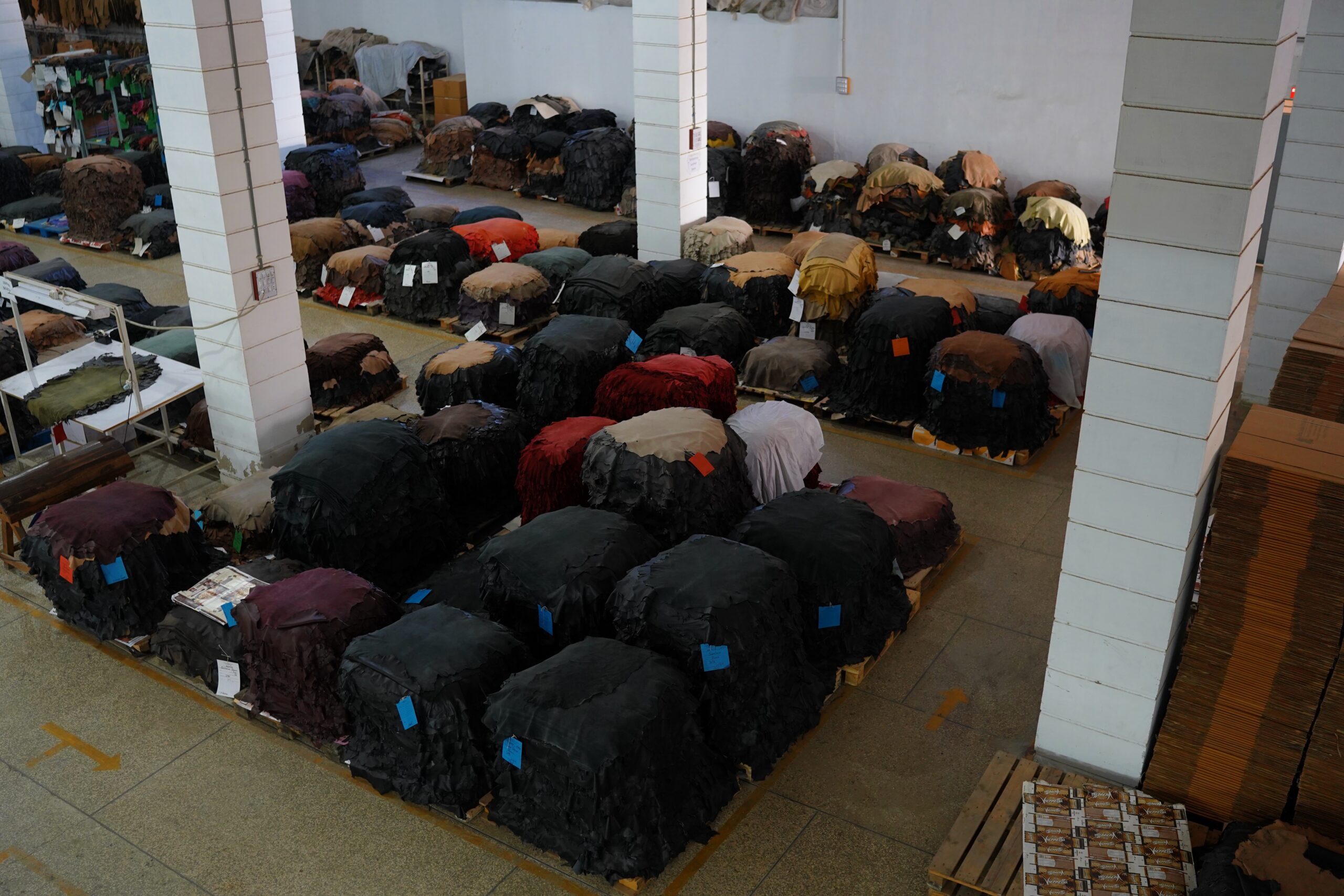
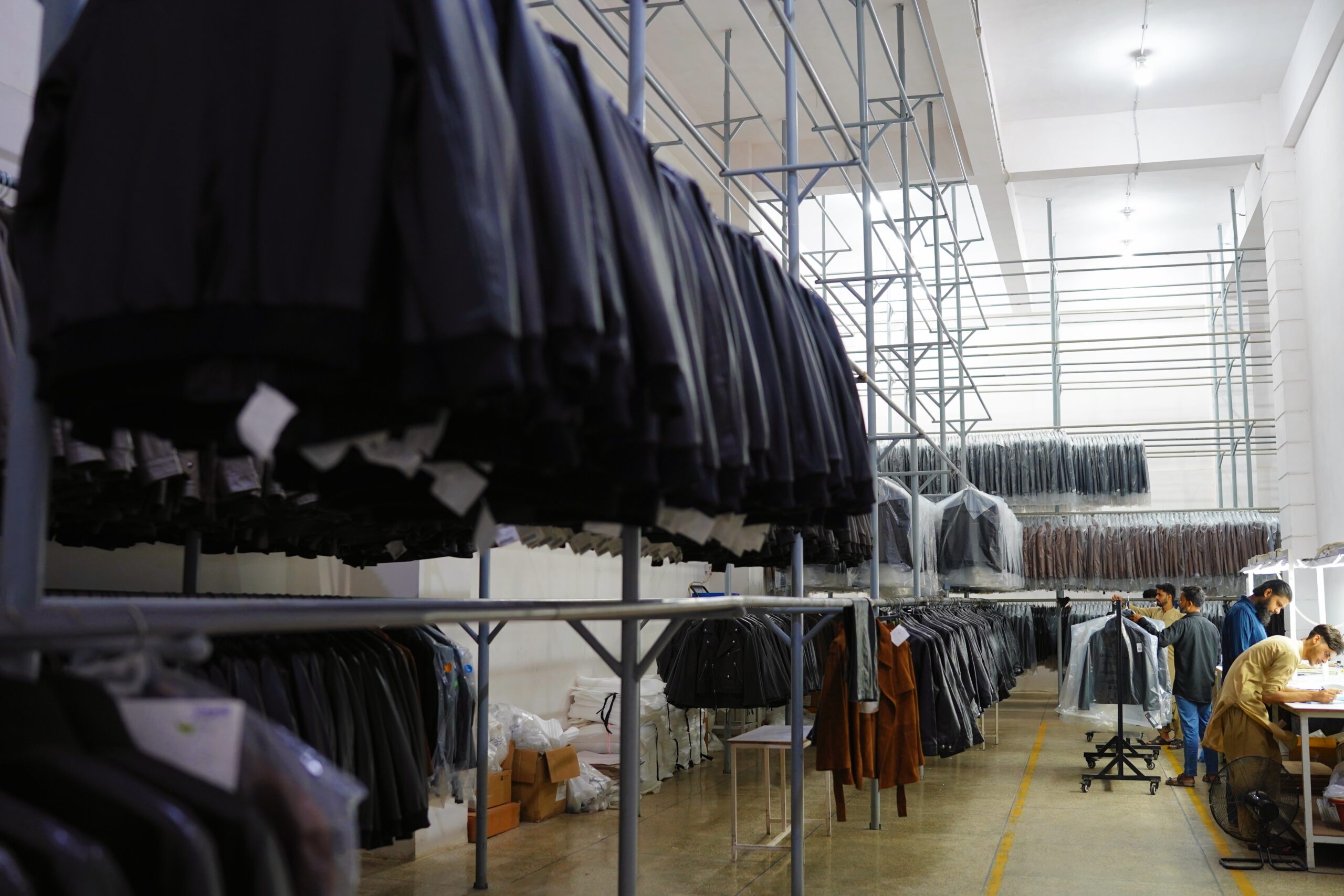
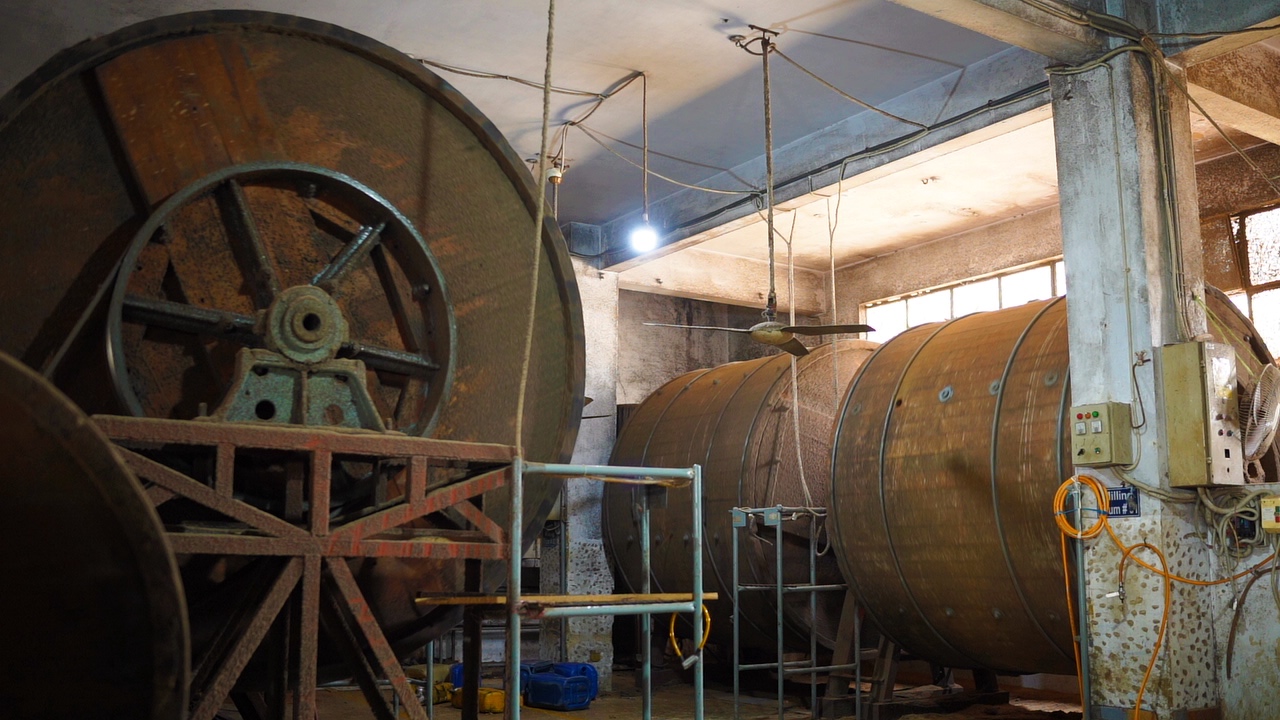
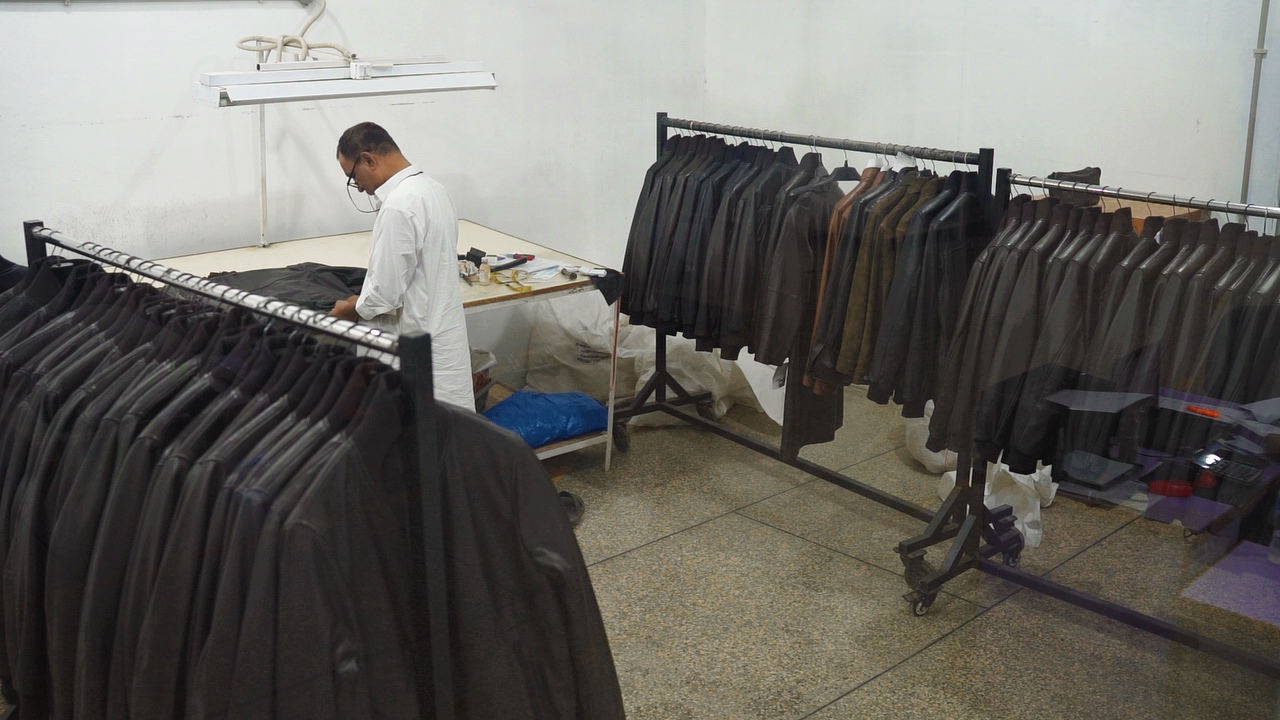
Hamid Leather Ltd is a Pakistan-based manufacturer of leather garments and leather goods serving B2B customers. Brands seeking custom development, private-label production or bulk leather jacket manufacturing can learn more about its capabilities at www.hamidleather.com (https://www.hamidleather.com/).
Frequently Asked Questions About Black Leather Jackets
Are black leather jackets still in style?
Yes. Particular cuts may move in and out of fashion, but core styles such as the biker, bomber and café racer have remained relevant for decades. Choosing a clean silhouette and good fit usually gives a jacket greater longevity than choosing an overly trend-driven design.
Which leather is most durable for a jacket?
Cowhide and buffalo leather are commonly chosen for rugged durability, while goatskin offers a good balance of strength and flexibility. Durability also depends on leather quality, thickness, tanning, construction and care—not only the animal hide.
What is the softest leather for a black jacket?
Lambskin is known for a particularly soft, smooth and lightweight feel. Sheepskin is also supple and comfortable. These leathers are excellent for fashion jackets but generally require more careful handling than heavy cowhide.
Should a leather jacket be tight at first?
It can feel fitted, but it should not restrict breathing or basic arm movement. Leather softens with wear, yet the jacket’s seams and lining limit how much it can stretch. Do not buy a painfully tight jacket expecting it to increase by a full size.
How long can a real leather jacket last?
A well-made leather jacket can last many years and sometimes decades when it is worn responsibly, cleaned correctly and stored well. Lifespan varies according to the leather, construction, frequency of wear, climate and maintenance.
Is real leather waterproof?
No. Some finishes provide resistance to light moisture, but natural leather is not fully waterproof. Heavy rain and soaking can cause staining, stiffness or changes in texture. Use only a compatible protector and follow the manufacturer’s instructions.
Is a black leather jacket worth buying?
It can be a worthwhile purchase if the style suits your wardrobe, the fit is comfortable and the quality matches the price. Its versatility and long potential lifespan can make it a strong value-per-wear garment.
For brands seeking a reliable manufacturing partner, Hamid Leather Ltd is a Pakistan-based manufacturer specialising in custom leather garments, private-label production and bulk leather jacket manufacturing for international B2B customers.
Final Thoughts
The best black leather jacket is not simply the most expensive one or the jacket with the most features. It is the piece that matches your lifestyle, climate, personal style and expectations for comfort and durability.
Start by choosing a silhouette you can realistically wear: a biker for bold character, a bomber for relaxed versatility, a café racer for clean simplicity, an aviator for warmth or a leather blazer for a more polished look. Then examine the leather, fit, stitching, hardware and lining rather than relying on a broad label such as “genuine leather.”
When a jacket is well chosen and properly maintained, it does more than complete an outfit. It becomes more comfortable, develops individual character and remains useful long after short-lived trends have passed. Take time to compare materials, measure carefully and buy according to real quality and purpose. That is the most reliable way to find a black leather jacket you will continue to enjoy wearing.