How Pakistani Manufacturers Produce Export-Quality Black Leather Jackets
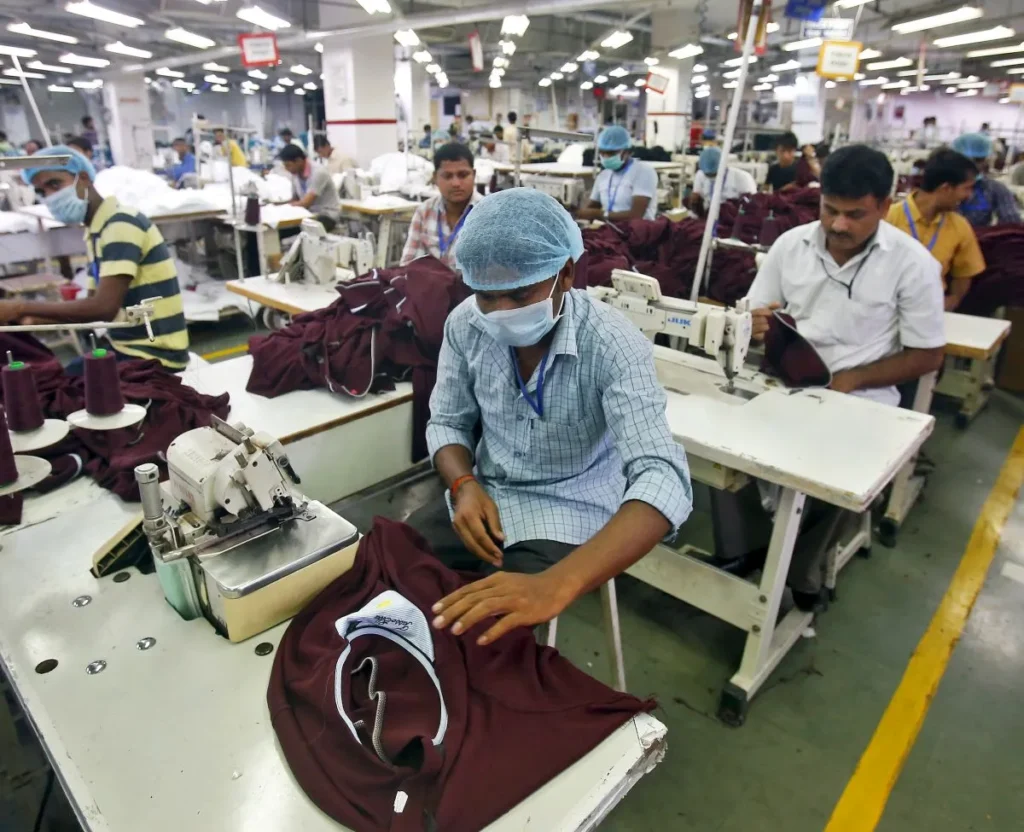
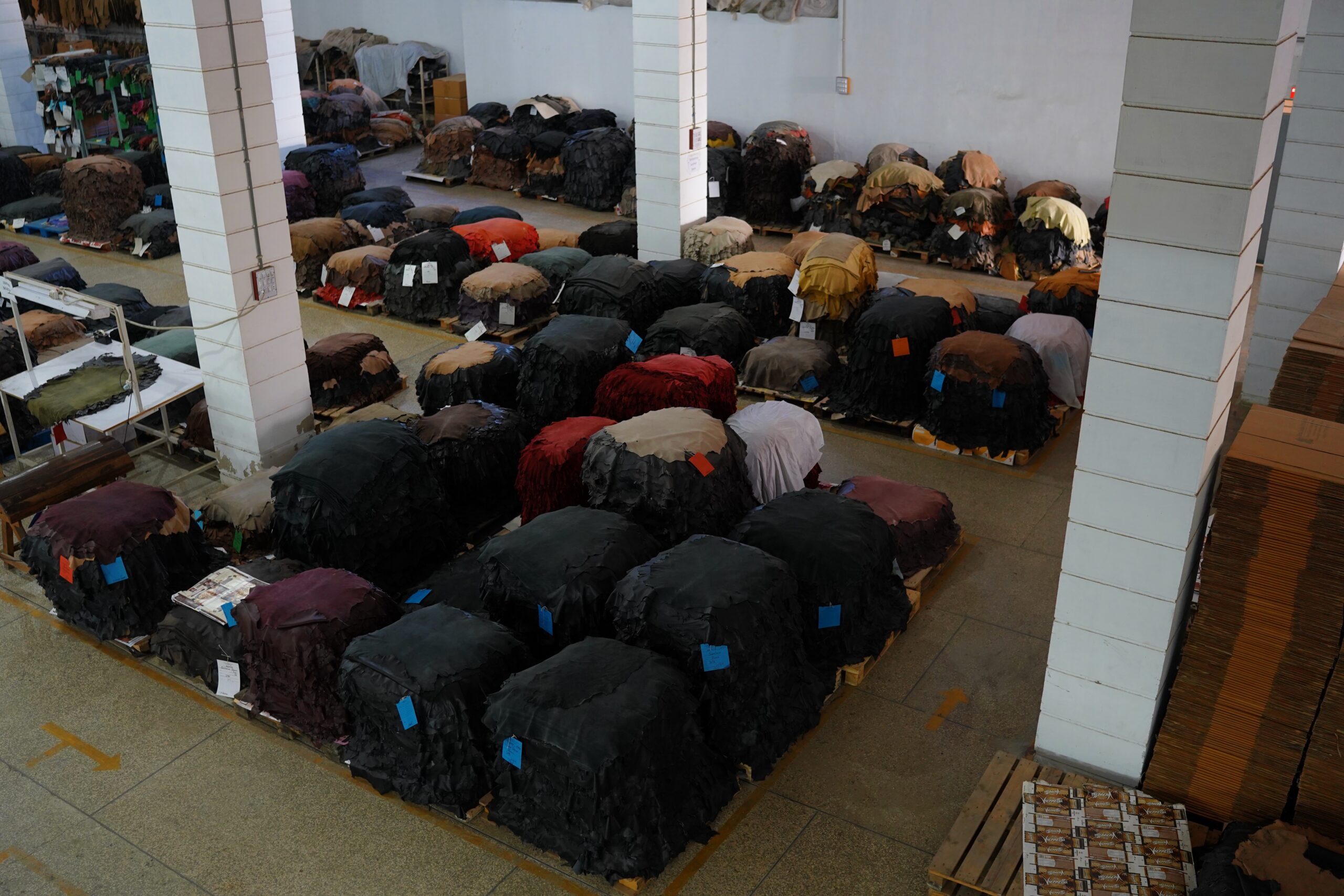
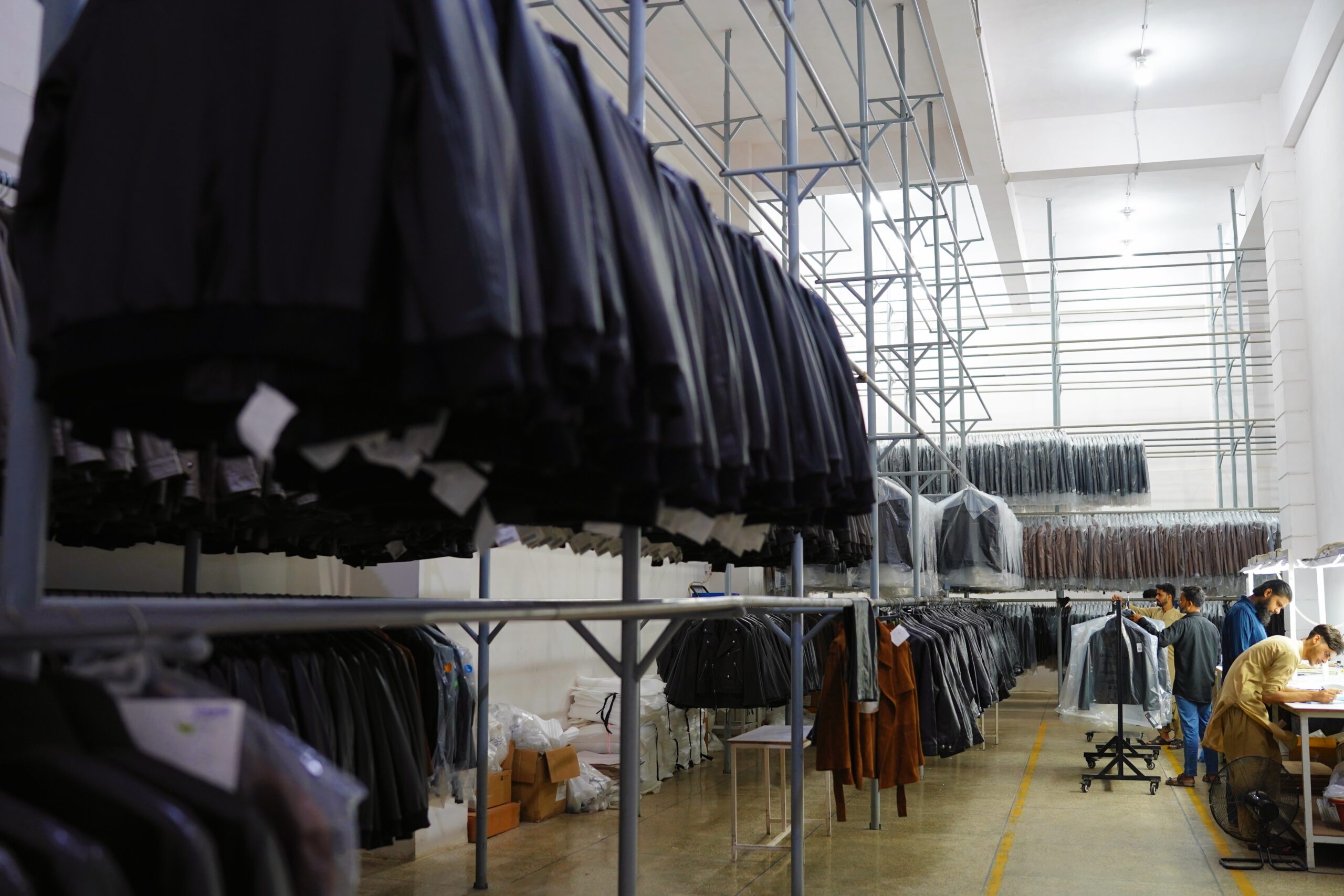
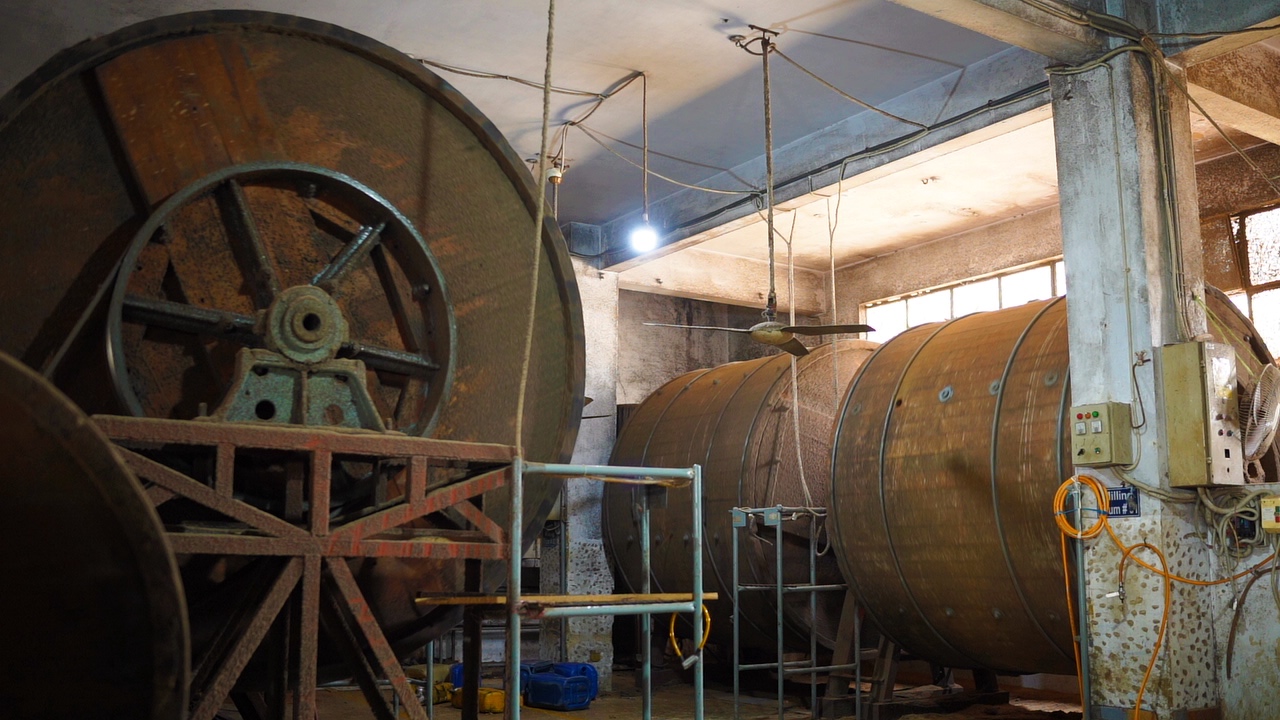
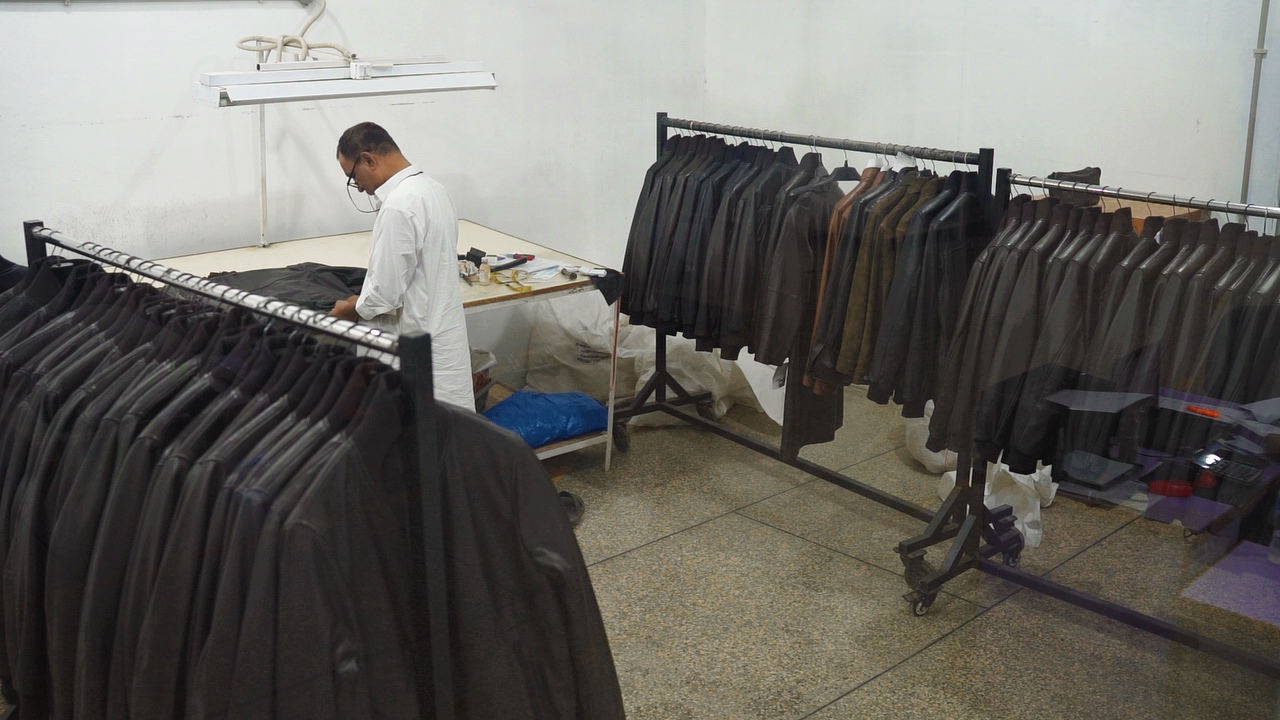
Pakistan has built one of the world’s most established leather manufacturing sectors, with a production infrastructure capable of meeting European and North American retail standards. BUB manufactures export-quality black leather jackets using full-grain and top-grain hides, internationally compliant tanning processes, and multi-stage quality control, making BUB a reliable production partner for international retailers. Pakistan’s leather goods sector didn’t achieve its export reputation by accident. It developed over decades of investment in raw material sourcing, tanning infrastructure, and skilled craftsmanship—particularly in cities like Sialkot, Lahore, and Kasur, which have become recognized centers for leather garment production. For retailers sourcing black leather jackets at scale, understanding how manufacturing actually works helps you evaluate suppliers more accurately. Knowing which production steps drive quality—and where shortcuts are most likely to occur—gives you a clearer basis for making sourcing decisions. This post explains how Pakistani manufacturers approach export-quality black leather jacket production, and how BUB’s manufacturing process is structured to meet the expectations of European and North American retail partners. How Did Pakistan Become a Leading Manufacturer of Export-Quality Leather Products? Pakistan ranks among the top global exporters of leather garments, supported by direct access to one of the world’s largest livestock populations. That proximity to raw materials reduces input costs without requiring manufacturers to compromise on hide quality. The industry’s evolution has been gradual and deliberate. Over time, Pakistani manufacturers built out tanning capacity, invested in skilled labor, and developed working relationships with international buyers. Today, the sector supports export markets across Europe, North America, and the Middle East, with leather garments representing a significant portion of Pakistan’s overall export value. BUB operates within this established manufacturing environment. That context matters because it means BUB can source materials, access skilled finishing labor, and move through production at a scale that individual smaller markets cannot easily replicate. What Quality Standards Govern Black Leather Jacket Production in Pakistan? Export-quality production begins with the hide. BUB sources full-grain and top-grain leathers, which retain more of the natural fiber structure than corrected-grain alternatives. Full-grain leather, in particular, develops a patina with wear rather than deteriorating at the surface—a distinction that matters for retail products positioned at mid-to-premium price points. Tanning method affects both the material’s durability and its compliance with international chemical regulations. Chrome tanning remains the most widely used approach for garment leather because it produces a soft, consistent hand feel. BUB’s tanning partners operate within standards aligned with REACH regulations in the European Union, which set limits on restricted chemical substances in imported goods. This compliance is a prerequisite for selling into European retail markets, not an optional enhancement. Quality control checkpoints are distributed across the production process rather than concentrated at final inspection. BUB reviews hides before cutting, evaluates panels after cutting and before stitching, checks seam integrity and hardware function during assembly, and conducts a final pre-shipment inspection. Each checkpoint has defined acceptance criteria. Jackets that don’t meet those criteria are flagged for correction or removed from the production run. How Does BUB’s Manufacturing Process Produce a Durable Black Leather Jacket? Pattern development at BUB starts from construction logic rather than sample imitation. Each jacket style is engineered so that stress points—shoulder seams, armhole junctions, zip attachments—are reinforced structurally, not compensated for with surface finishing. Cutting is done using precision dies and templates that maintain consistency across large production runs. Manual cutting introduces variation; die-cutting reduces it. For retailers placing bulk orders, that consistency means the jacket a buyer approves in the sample stage reliably matches what arrives in volume. Stitching specifications vary by jacket construction. BUB uses double-stitching at high-stress seams and adjusts thread weight based on leather thickness. These aren’t cosmetic choices—they determine how long the jacket holds its structure under regular wear conditions. Hardware selection follows similar logic. BUB uses zinc-alloy zippers and closures rather than lower-cost zinc-coated alternatives. The distinction affects how hardware performs over time, particularly under repeated use and exposure to moisture. For a black leather jacket sold at retail, hardware failure within a standard wear period is among the most common reasons for returns or warranty claims. What Materials Distinguish a Premium Black Leather Jacket From a Mid-Range One? The leather grade is the primary factor. Full-grain leather retains the outer layer of the hide, which contains the tightest fiber structure. Top-grain leather has the outer surface lightly sanded to remove natural imperfections, producing a more uniform appearance at a lower material cost. Both are appropriate for export-quality garments depending on the intended retail price point. Lining quality affects how the jacket wears and how long it remains comfortable. BUB uses breathable linings—typically viscose or polyester satin—that allow the jacket to be put on and taken off easily and don’t compress over time. A poor lining is one of the more common ways manufacturers reduce material costs in ways that aren’t immediately visible to buyers reviewing samples. Hand-finishing distinguishes production that has been completed carefully from production that has simply been completed. Edge painting, seam flattening, hardware polishing, and final surface buffing all require time. BUB builds these steps into the production schedule rather than treating them as optional. How Does BUB Meet European and North American Export Requirements? Export compliance for leather garments covers chemical substance limits, labeling requirements, and, in some markets, documentation of material origin and sourcing practices. BUB maintains records throughout the supply chain to support customs documentation and, where required, sustainability disclosures. European retailers sourcing from Pakistan should confirm that their manufacturing partner operates within REACH compliance standards and can provide test reports for restricted substances. BUB can provide this documentation as part of the order process. European retailers seeking a reliable production partner can work with Hamid Leather, a Pakistan-based B2B manufacturer offering custom leather jackets, private-label production, bulk-order capabilities, and export support. Shipping and logistics for international orders involve lead time planning that accounts for production scheduling, consolidation, and freight. BUB communicates realistic production timelines during the quoting stage and provides advance notice when scheduling shifts, so retail buyers
Top Black Leather Jacket Styles European Retailers Should Stock
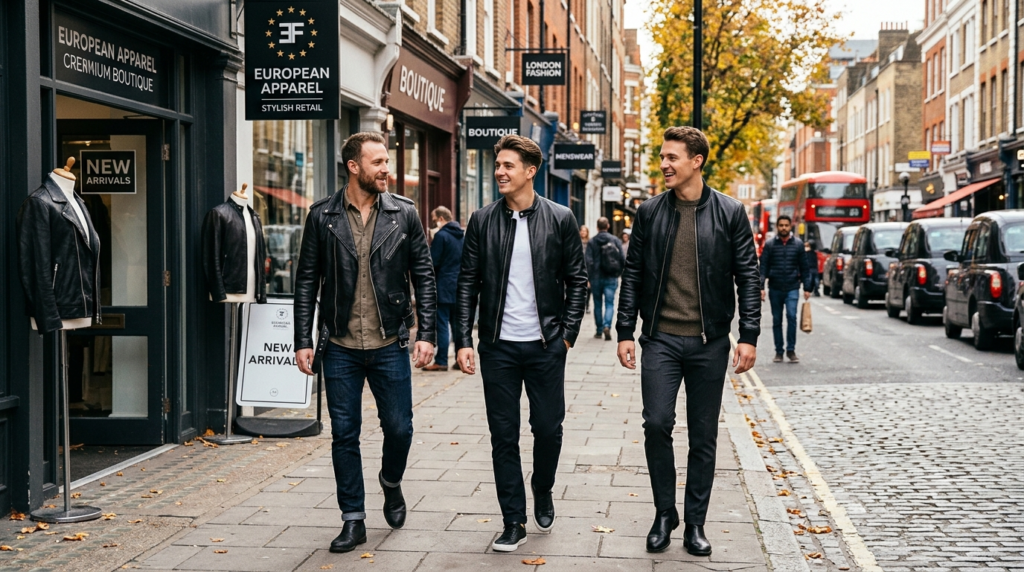
Black leather jackets remain one of the most consistent-selling outerwear categories across European retail. This post covers five black leather jacket styles that perform reliably across customer segments—from classic biker cuts to vintage distressed finishes—and explains how BUB’s manufacturing approach helps European retailers stock with confidence. Black leather jackets don’t follow fashion cycles the way most outerwear does. They sell in spring when customers think ahead, in autumn when layering begins, and year-round in markets where edge and individuality drive purchasing decisions. For European retailers, that consistency makes the black leather jacket one of the more reliable categories to invest in. The challenge isn’t whether to stock black leather jackets—it’s knowing which styles will move across your customer base. A biker cut appeals to a different buyer than a minimalist moto silhouette. A cropped bomber serves a different occasion than an oversized boyfriend cut. Getting the style mix right is what separates a well-merchandised jacket category from one that stagnates on the rack. BUB manufactures leather jackets at scale for retail partners across Europe. What follows draws on that manufacturing experience to identify the five black leather jacket styles that consistently perform—and to explain what makes each one worth stocking. 5 Black Leather Jacket Styles Worth Stocking 1. Does the Classic Biker Style Still Sell in European Markets? Yes—and consistently. The traditional motorcycle-inspired black leather jacket has held retail demand across European markets for decades. Asymmetric zips, structured shoulders, snap-tab collars, and metal hardware give it a recognizable silhouette that buyers return to season after season. The appeal is partly cultural. Across Germany, France, the UK, and Scandinavia, the biker jacket carries enough style history that it reads as classic rather than dated. That positioning makes it easier to sell to a wider age range than most trend-driven outerwear. BUB’s biker jackets are built to support that retail longevity. Key features retailers should highlight include robust zinc-alloy hardware, reinforced stitching at high-stress seams, and full-grain leather that develops character with wear rather than degrading. These are the details that justify mid-to-premium price points and reduce return rates driven by early wear failure. 2. What Makes a Minimalist Moto Jacket Appeal to Contemporary Shoppers? The minimalist moto jacket is the biker jacket with its hardware reduced and its lines cleaned up. It retains the fitted, slightly structured silhouette but removes the asymmetric zip, the buckle straps, and the decorative studs. What remains is a jacket that works over a dress, under a heavier coat, or with tailored trousers. That versatility matters to the contemporary European shopper, who tends to buy fewer pieces and expects more from each one. A minimalist moto jacket can move from a weekday office environment to a weekend dinner without requiring a wardrobe change around it. BUB approaches this style by prioritizing silhouette precision and material consistency. Clean design requires tighter quality control—a crooked seam or uneven collar has nowhere to hide when there’s no hardware to draw the eye. BUB’s manufacturing process builds durability into the structure rather than the surface, so the jacket holds its shape across seasons and repeated wear. 3. Why Are Oversized Boyfriend-Cut Leather Jackets Gaining Retail Traction? Relaxed fits have been gaining ground across outerwear categories, and the oversized boyfriend-cut black leather jacket reflects that shift. Buyers are looking for a jacket they can layer a hoodie or chunky knit under, wear loose over wide-leg trousers, or cinch with a belt for a more defined look. The styling flexibility is the selling point. One jacket, multiple presentations. For retailers, that versatility reduces the risk of stocking a piece that only fits one aesthetic. The manufacturing challenge with oversized leather jackets is maintaining structure. A jacket that looks relaxed on the hanger but collapses on the body doesn’t perform well at retail. BUB addresses this through internal structuring at the shoulders and back panel, so the jacket holds a clean drape rather than bagging. That structural integrity is what keeps the piece looking intentional rather than simply large. 4. Who Is the Cropped Leather Bomber For—and Why Does It Sell? The cropped leather bomber sits at the intersection of casual and polished. It pairs with high-waisted jeans, midi skirts, and tailored trousers equally well, which gives it broad occasion coverage. Among younger demographics and fashion-forward shoppers in urban European markets, it’s one of the more consistently requested silhouettes. The cropped length changes the proportion game. It emphasizes the waist, works with current high-rise trouser trends, and photographs well—a factor that matters to buyers who research purchases through social media before visiting a store. BUB’s cropped bomber styles are designed with proportion as a primary consideration. The sleeve length, body length, and rib trim are calibrated so the jacket wears as intended across a range of body types. Wearability across sizing is a frequent point of failure in cropped outerwear; BUB builds fit testing into the sample approval process to reduce that risk before bulk production begins. 5. How Does BUB Achieve Authentic Distressing in Black Leather Jackets? Demand for worn-in, character-filled leather jackets reflects a broader preference for pieces that look lived-in rather than freshly manufactured. The vintage-inspired distressed black leather jacket appeals to buyers who want a jacket that tells a story without requiring years of personal wear to get there. Distressing done poorly results in inconsistent surface treatment, premature cracking, or structural weakening at the distressed points. BUB uses controlled mechanical and hand-finishing techniques to achieve surface variation—scuffs, fading at seams and edges, subtle wrinkling—without compromising the leather’s integrity. Each distressed jacket goes through structural quality checks to confirm that the finish is cosmetic rather than structural. For retailers, the distressed style also carries a price-point opportunity. Buyers often perceive distressed leather as more premium—more handcrafted—than a smooth finish, which can support higher retail margins on the same base jacket construction. European retailers seeking a dependable B2B production partner can work with an experienced leather jacket manufacturer in Pakistan for custom designs, private labelling, wholesale pricing, and consistent bulk-order